

In January 2009, something extraordinary happened in Kilbrittain. A fin whale — one of the largest animals on Earth — appeared on the beach.
It was a once-in-a-lifetime sight. But it was also a moment that would change the community forever.
This is the story of how a tragic beaching became a legacy of learning, effort, and respect.
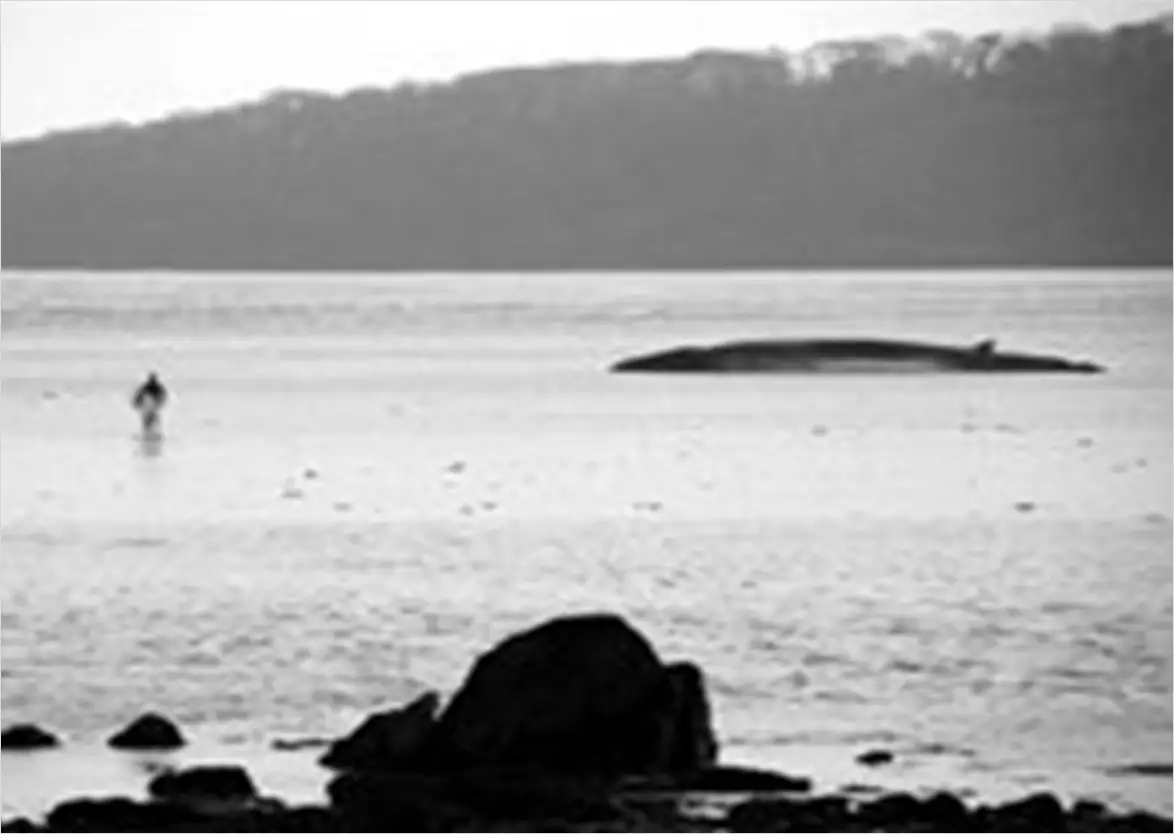
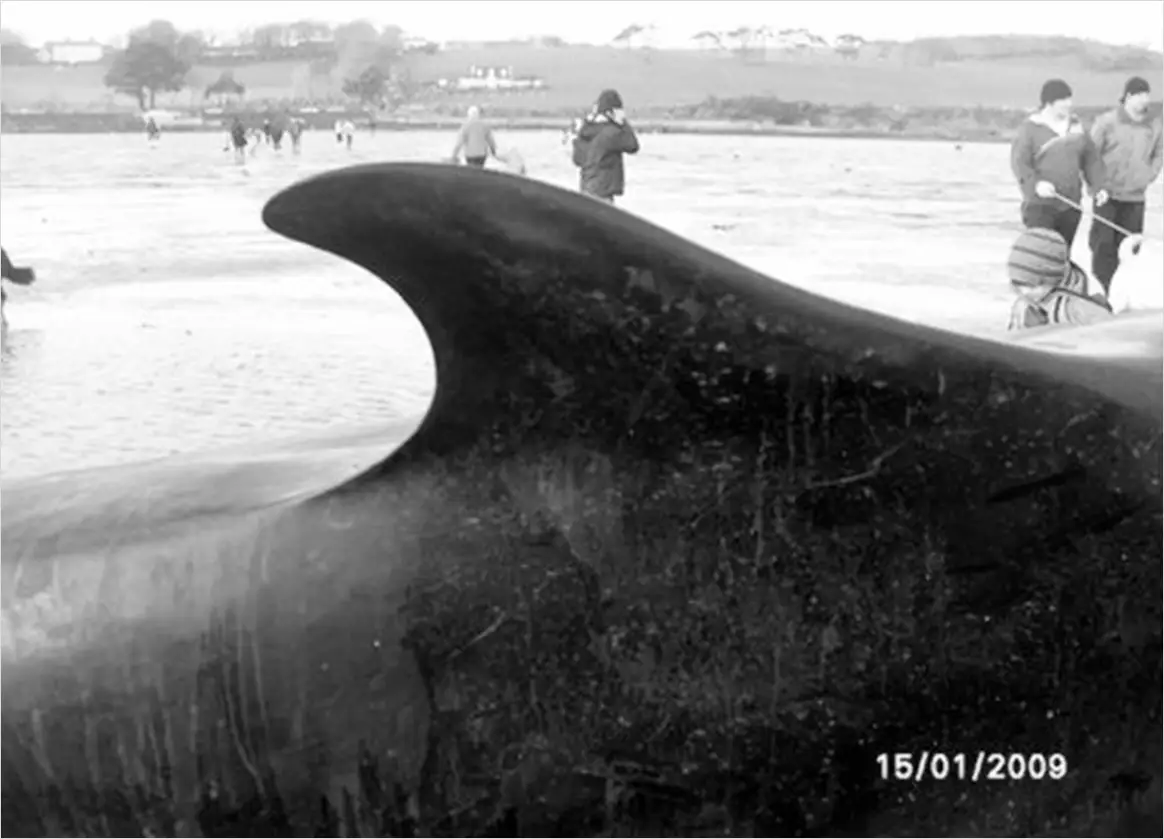
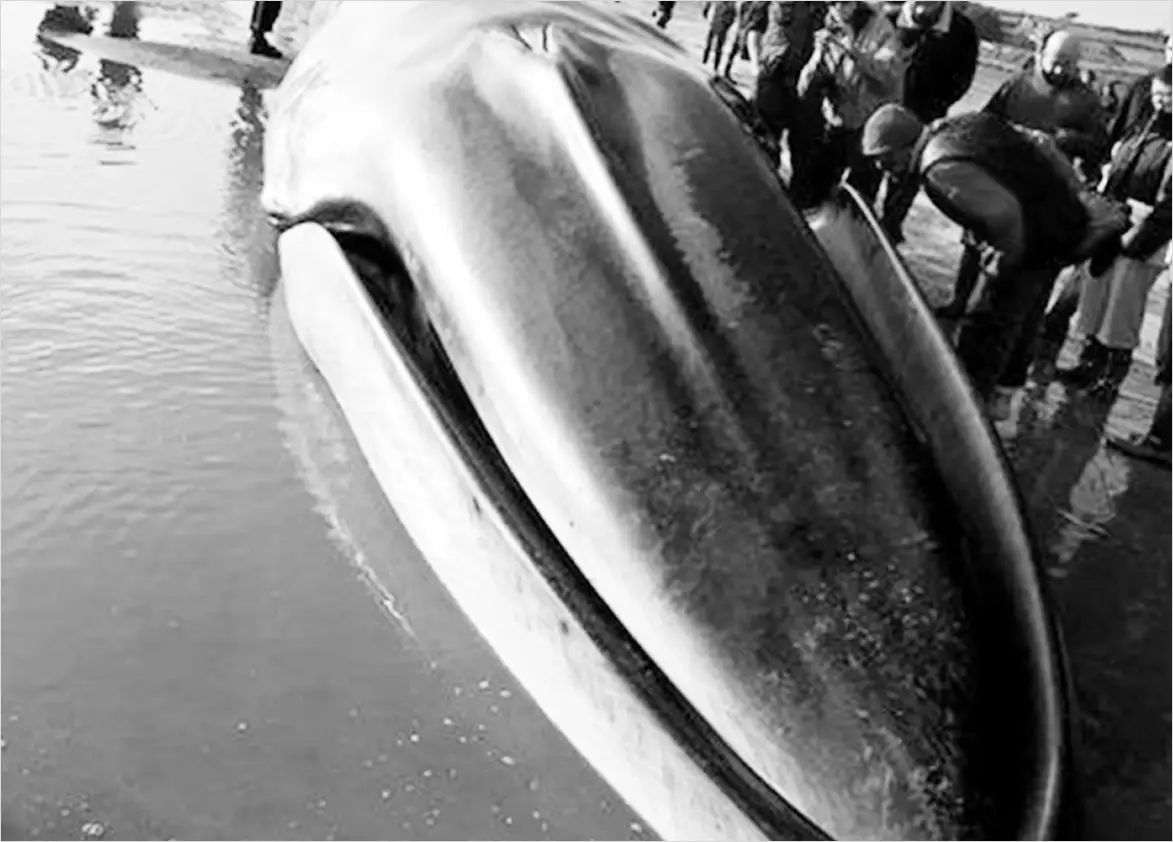
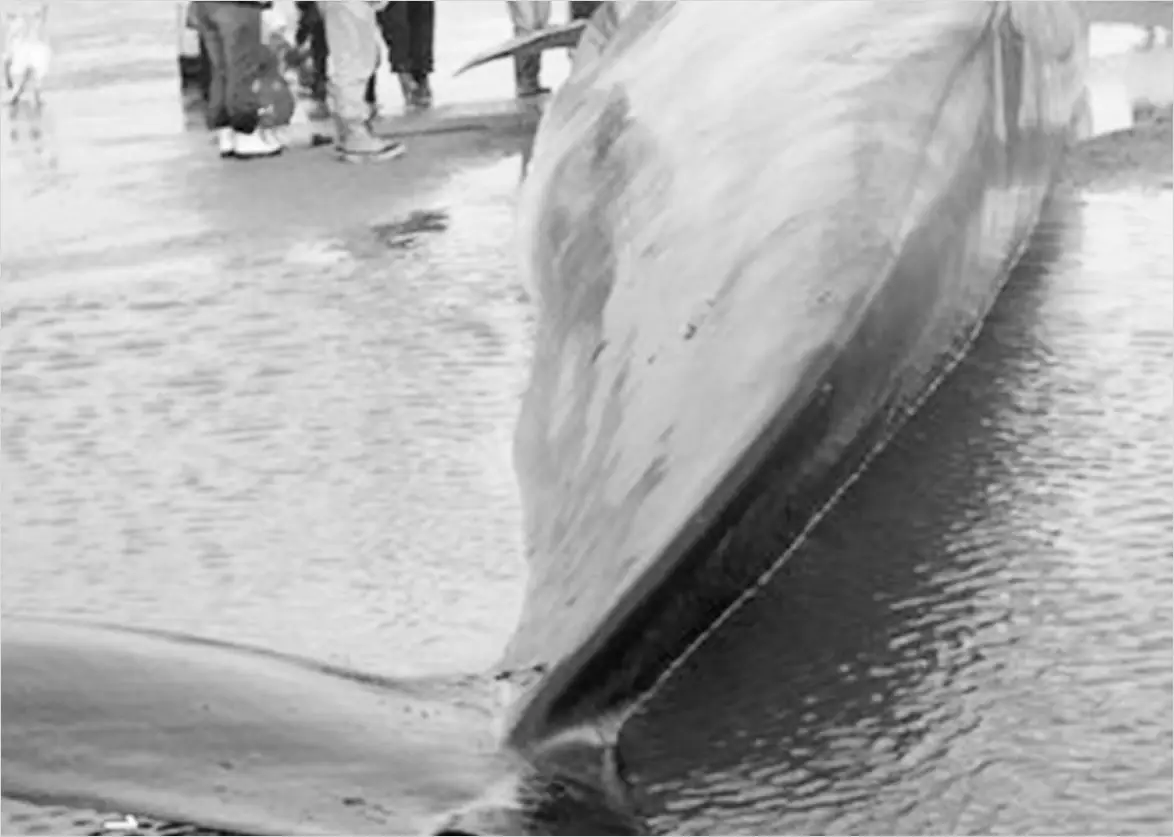
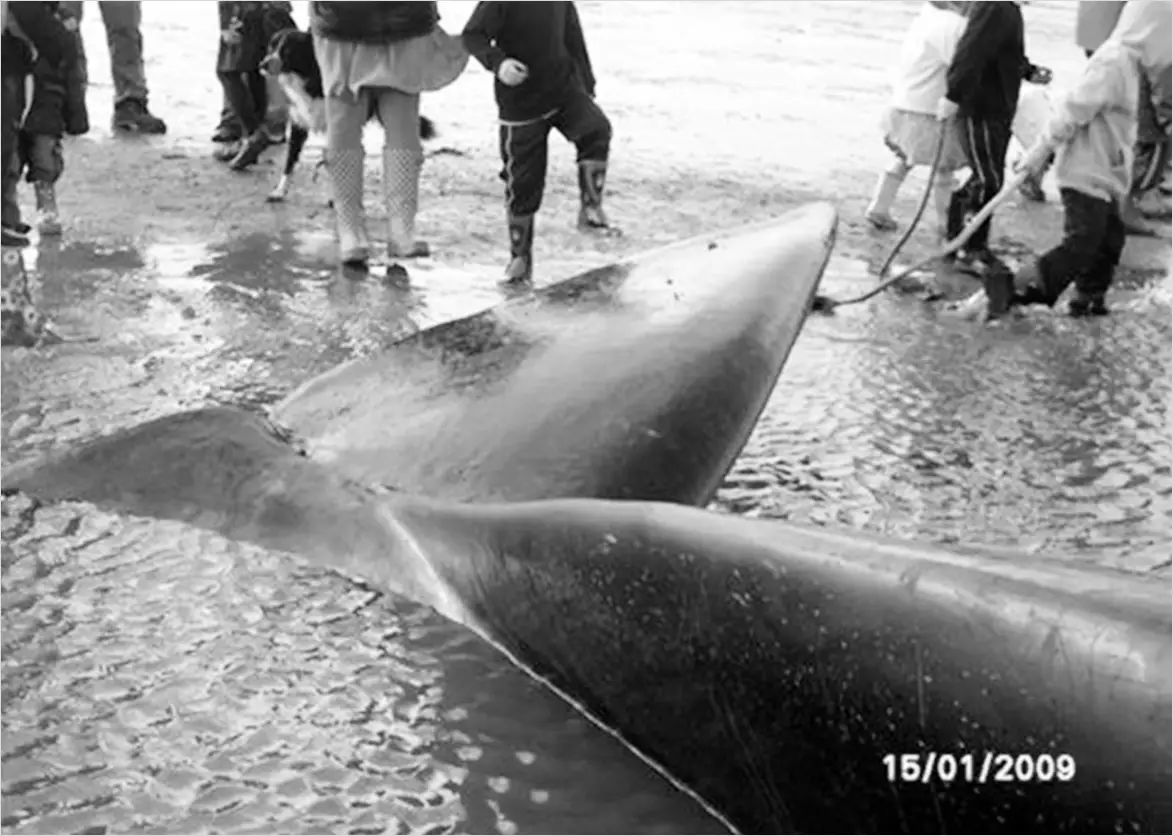
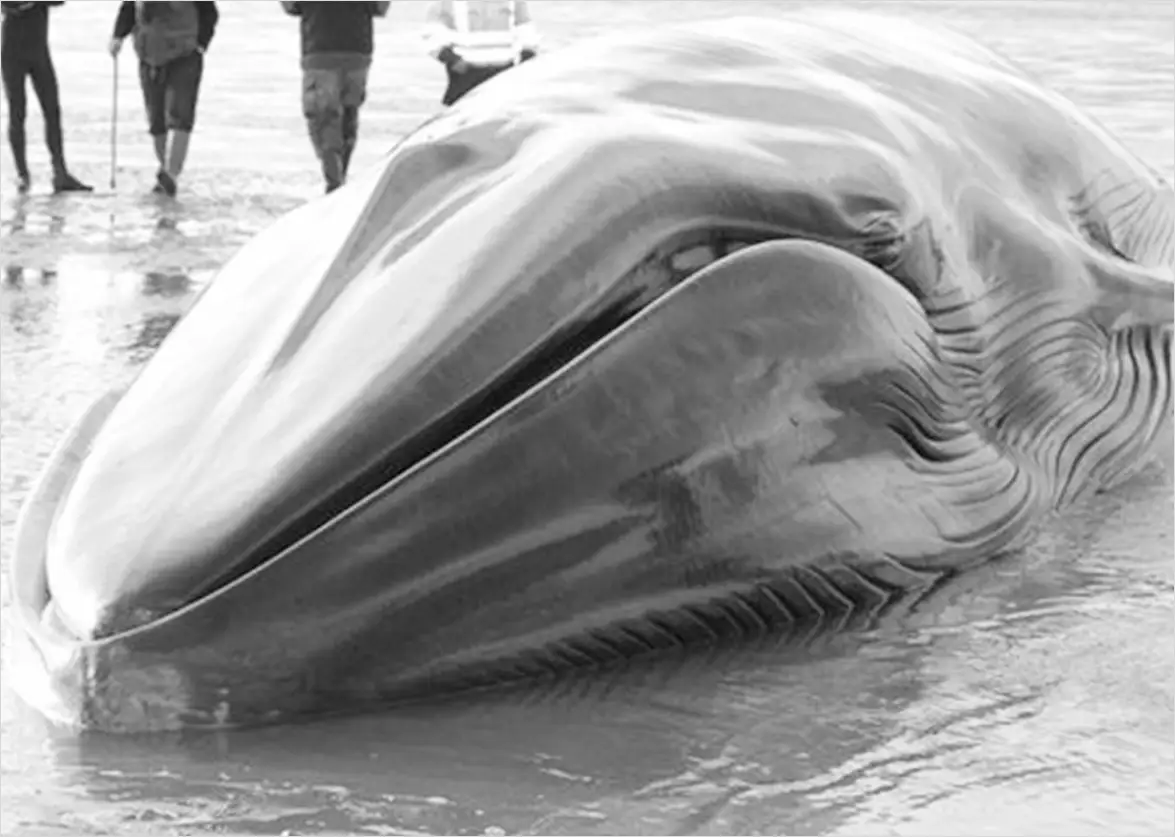
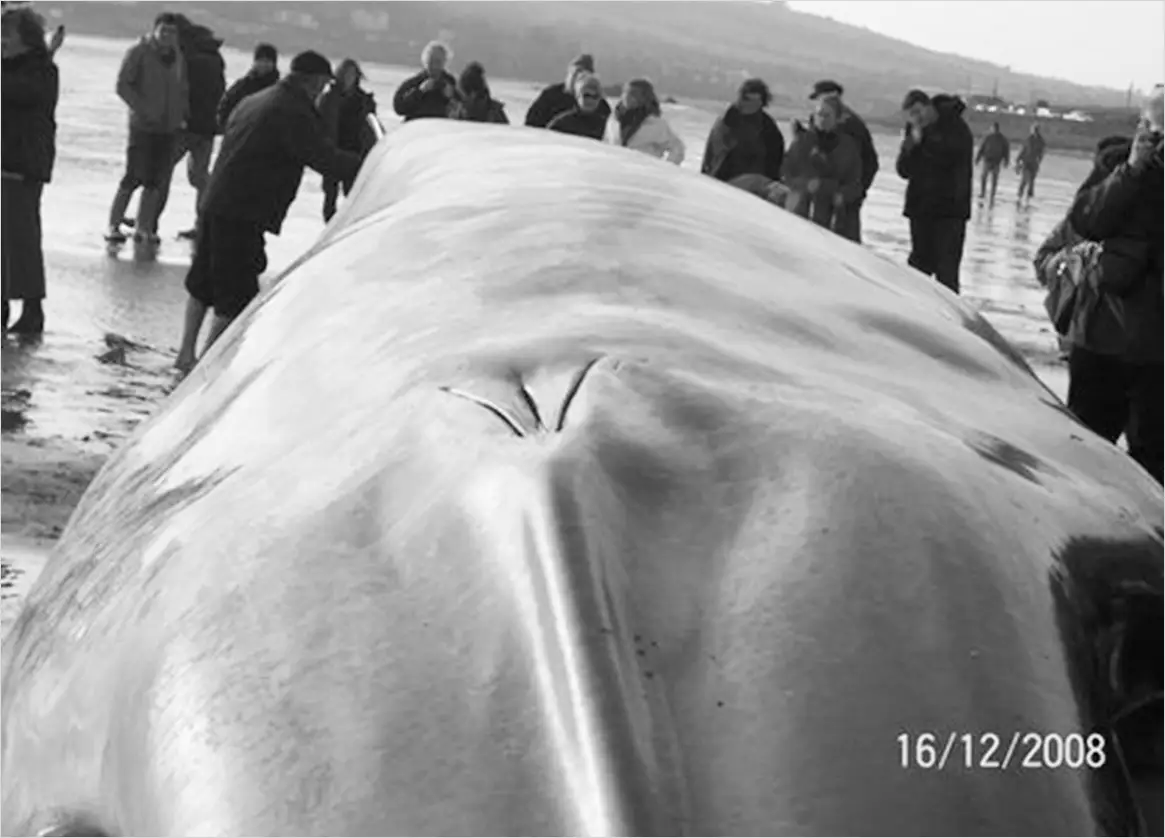
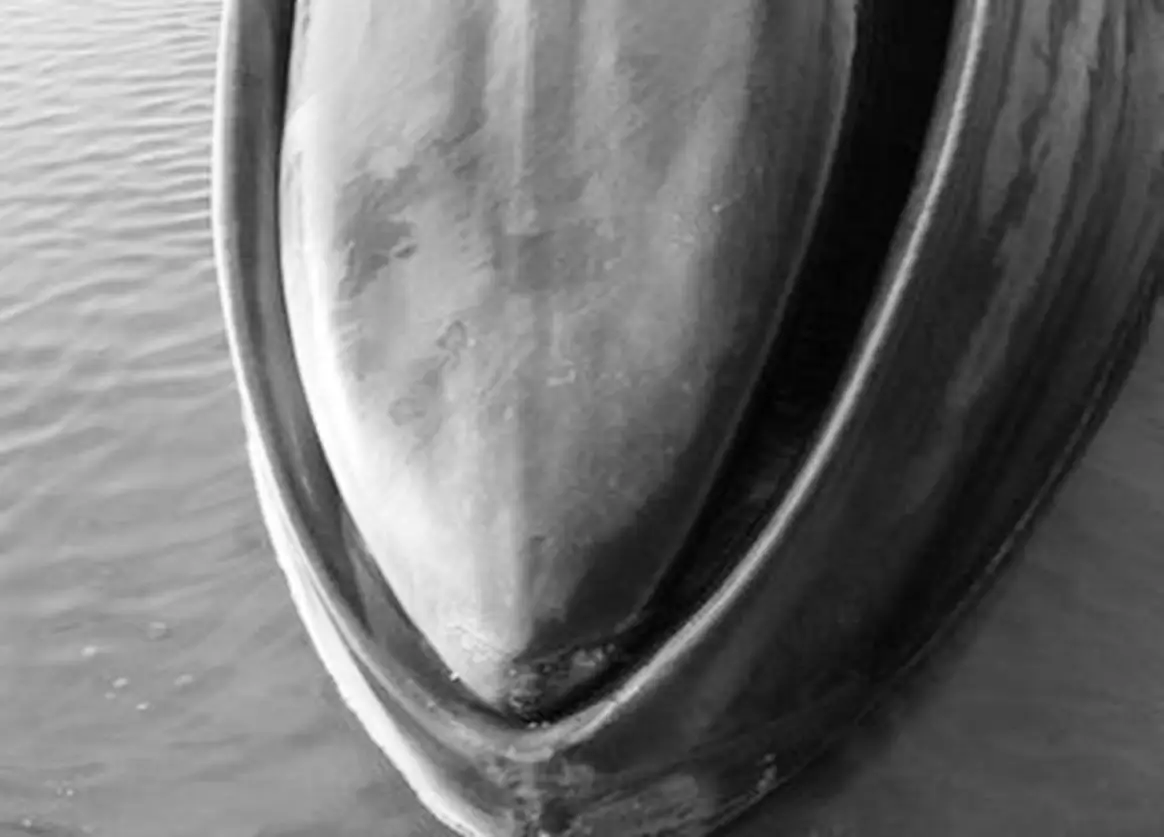
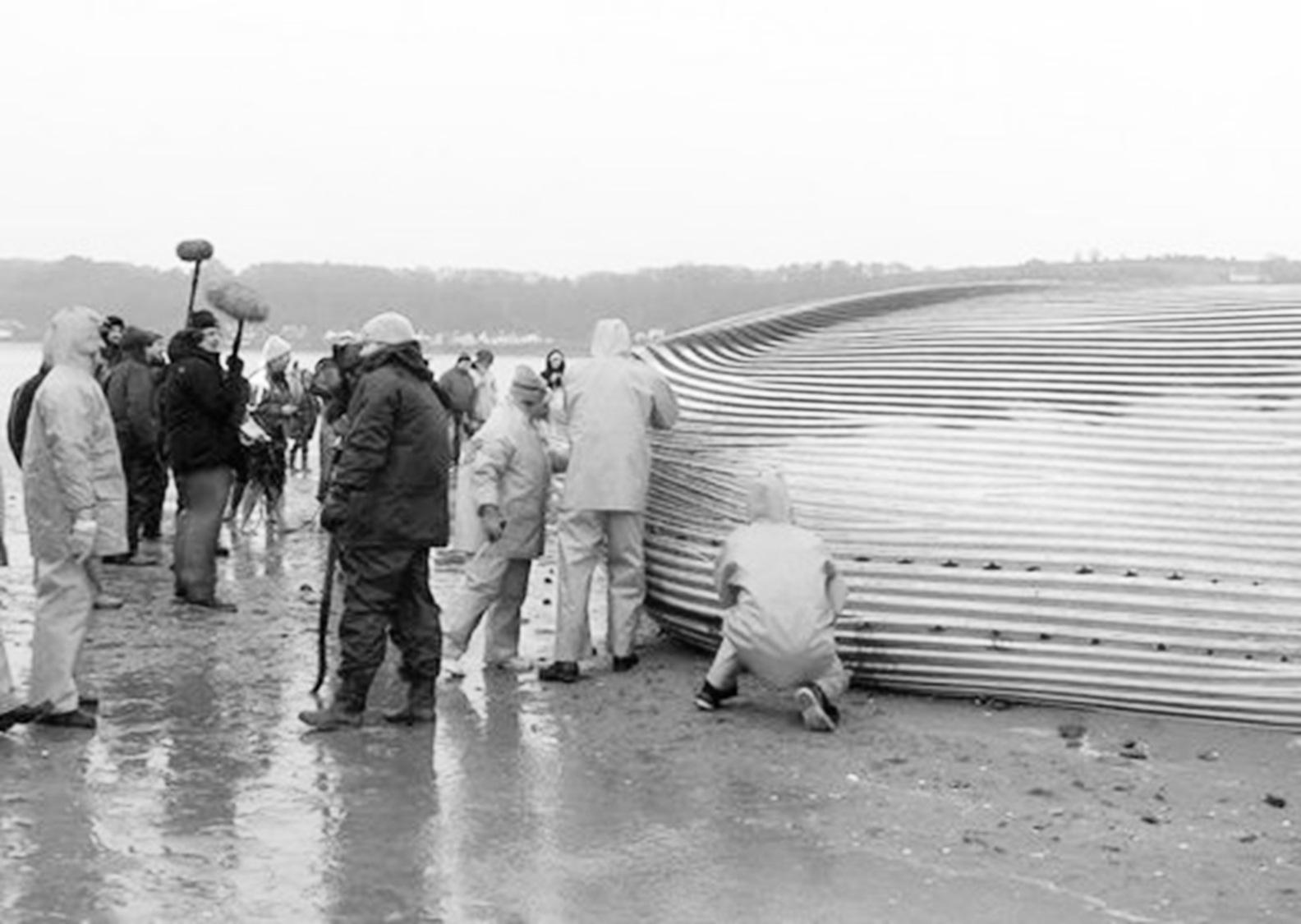
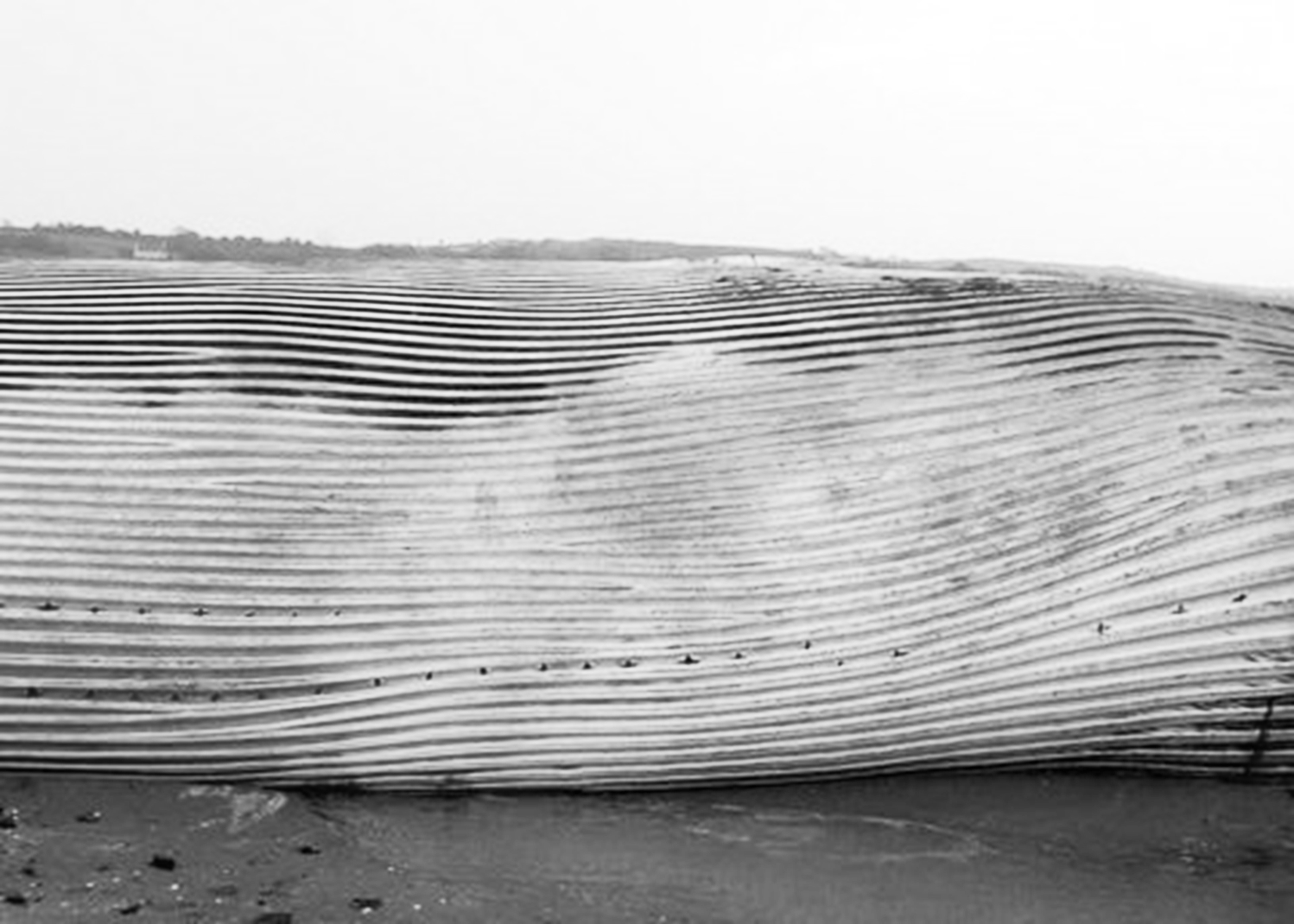
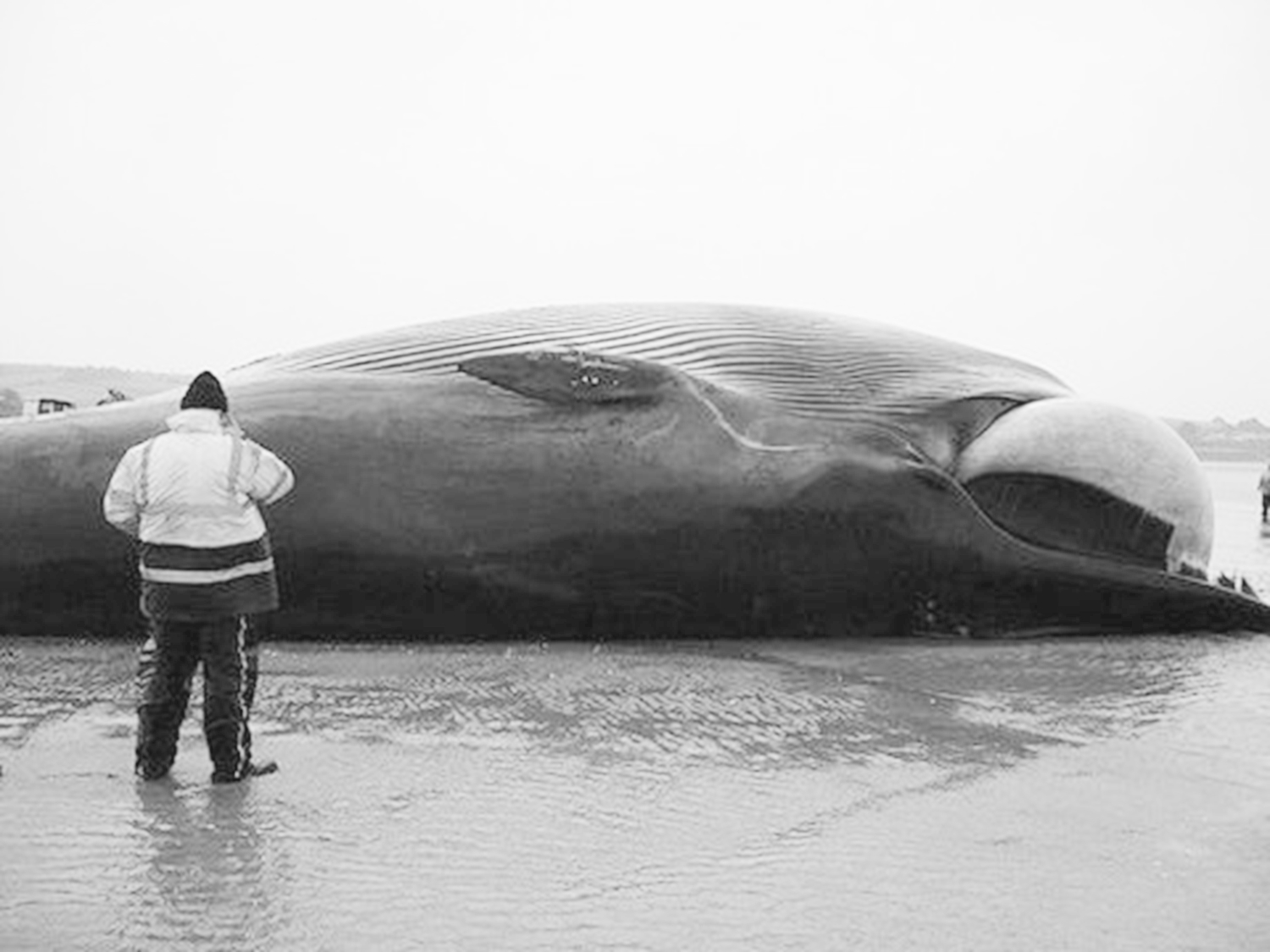
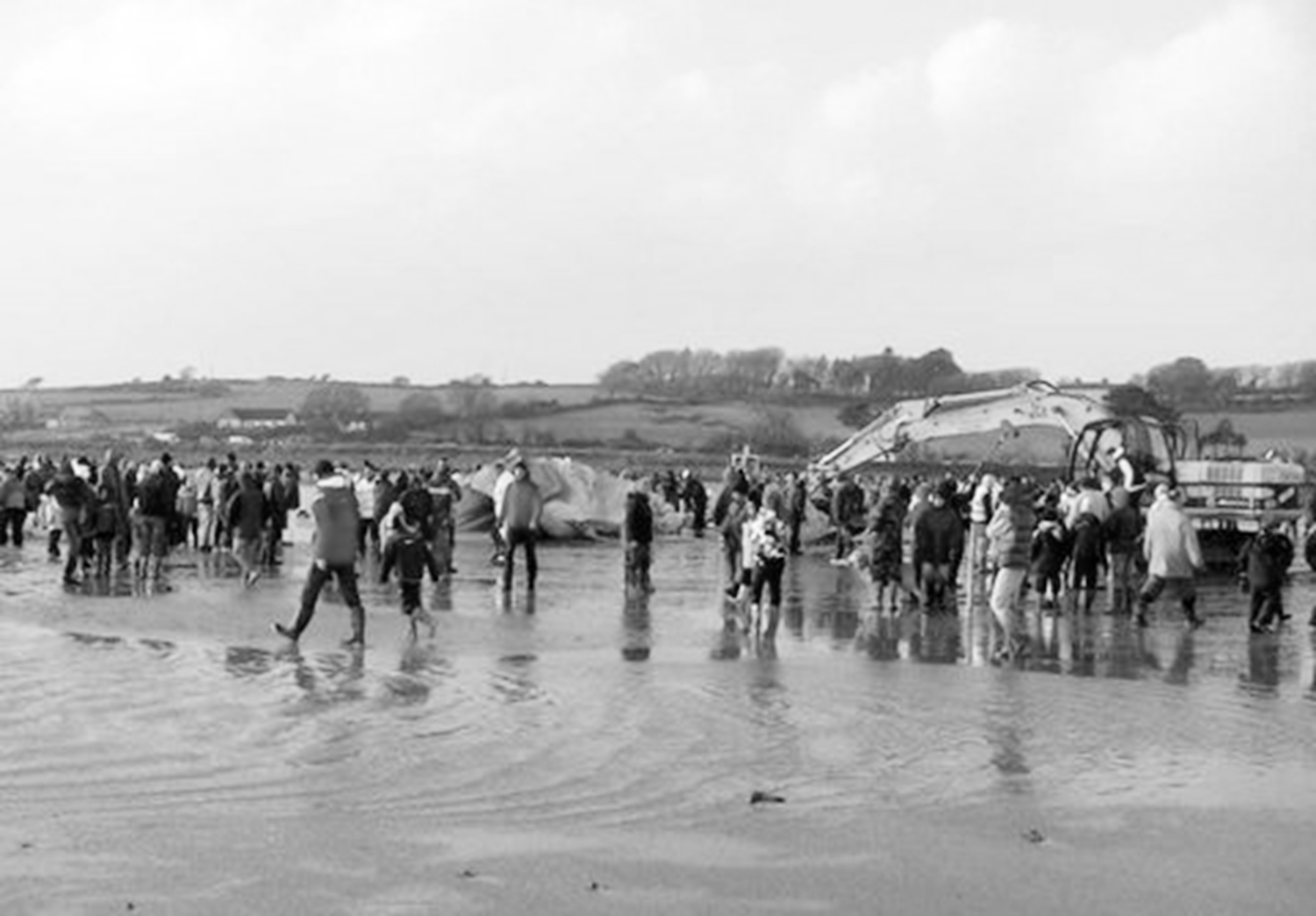
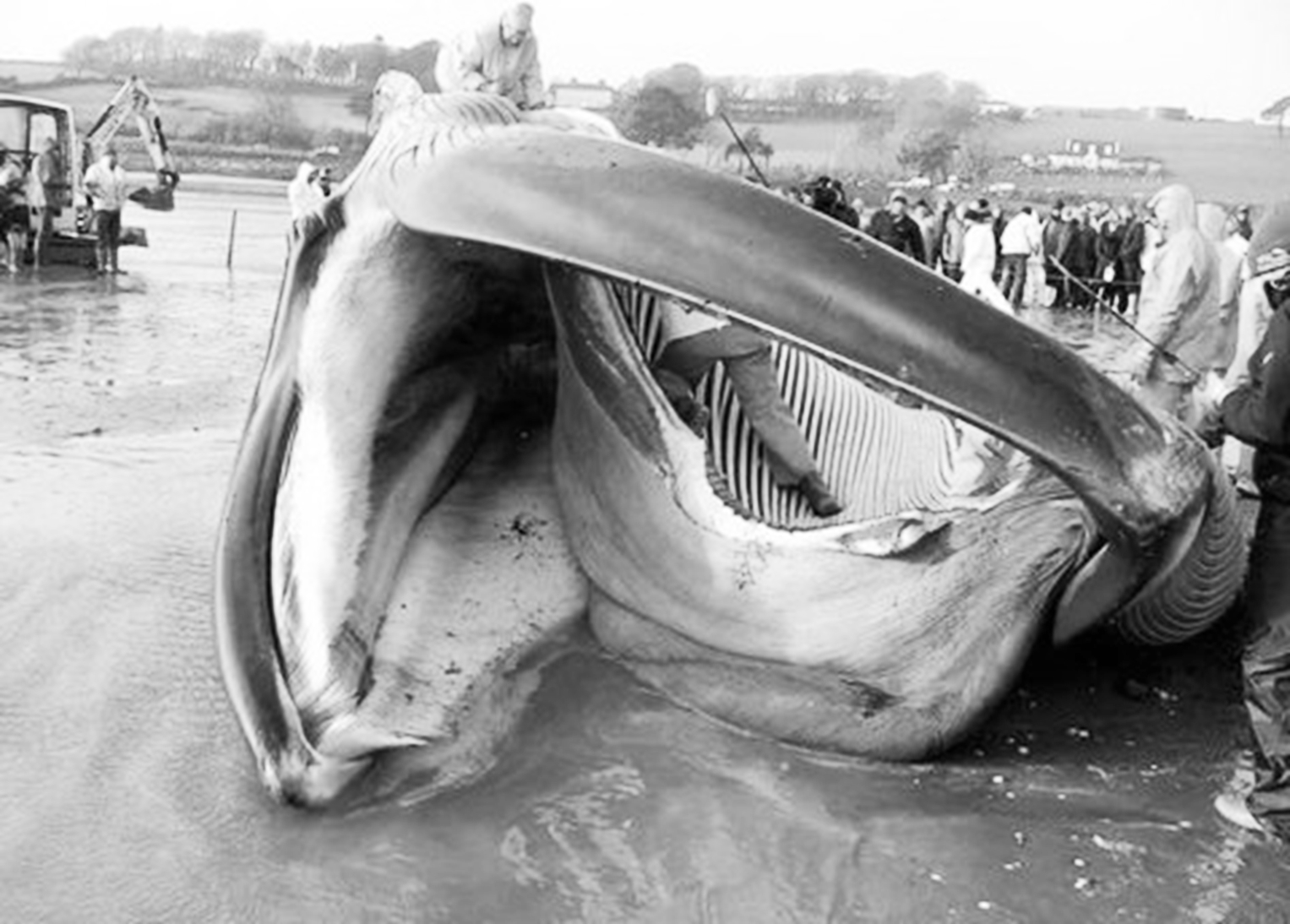
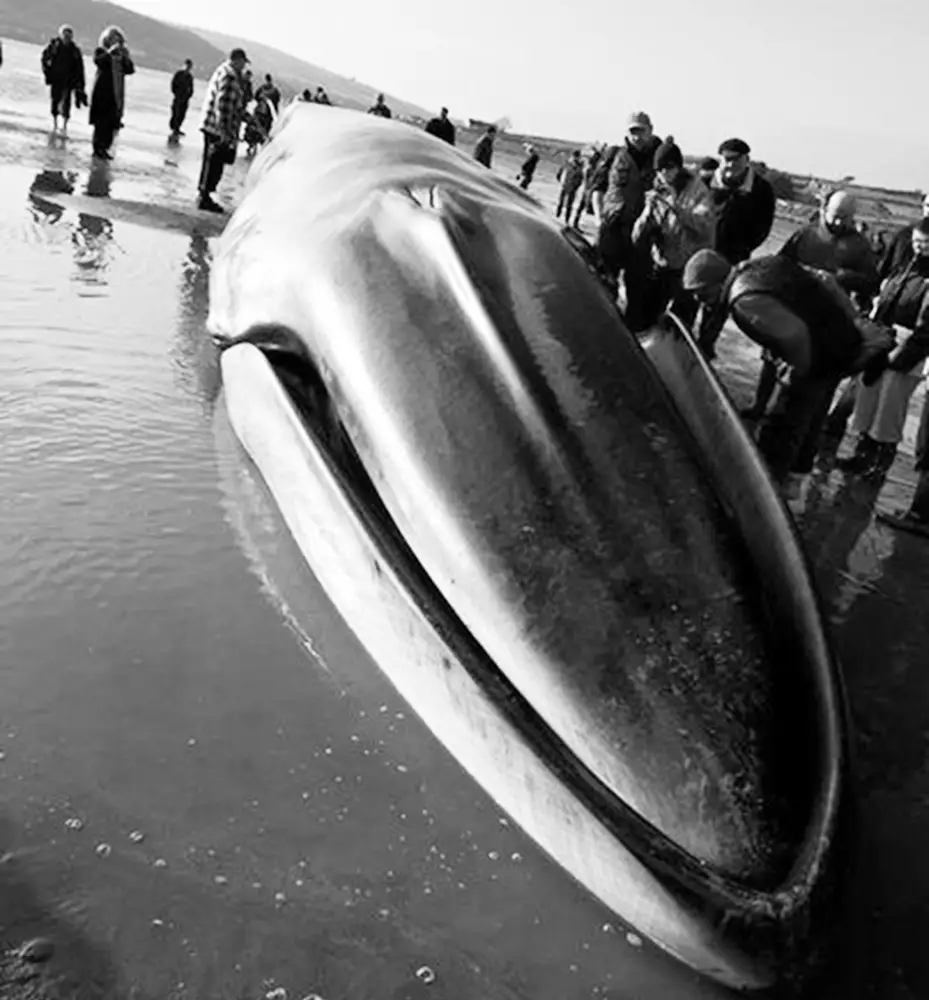
On January 15th, 2009, a fin whale measuring over 19 metres (65 feet) washed ashore at Burren, Kilbrittain.
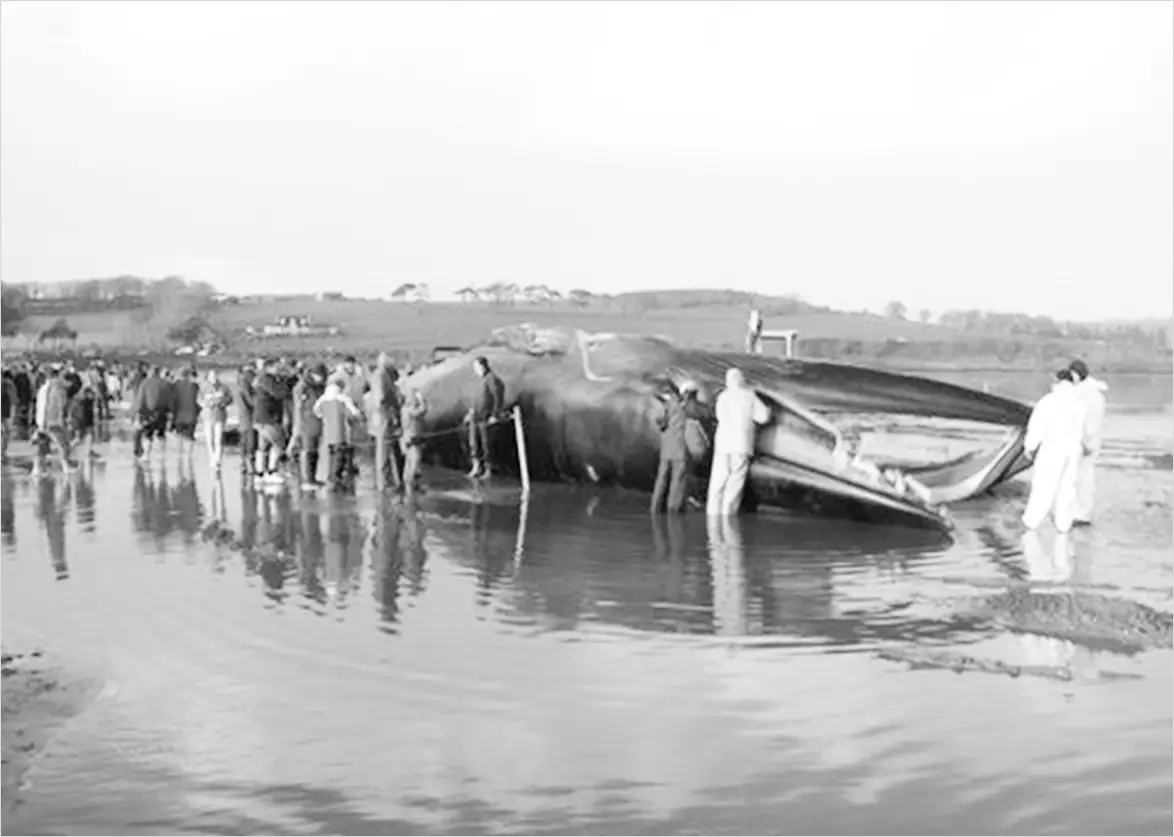
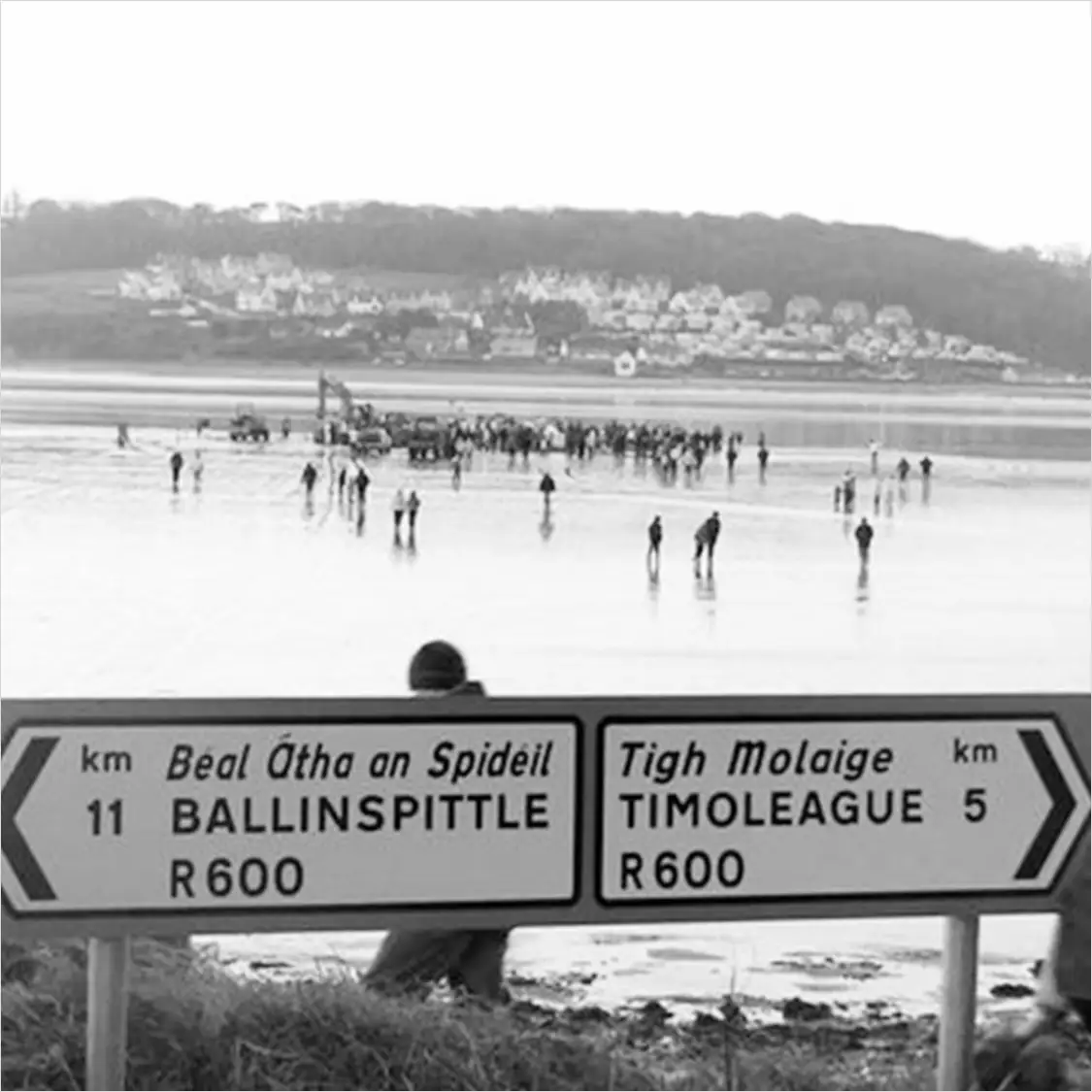
People from across the region came to witness it — a mixture of awe, shock, and sadness filled the beach. It was the largest animal many had ever seen. And sadly, it didn’t survive.
There it lay — still, silent, and enormous — caught in the shallows and watched by hundreds.


The story could have ended there. But instead, it took a remarkable turn.
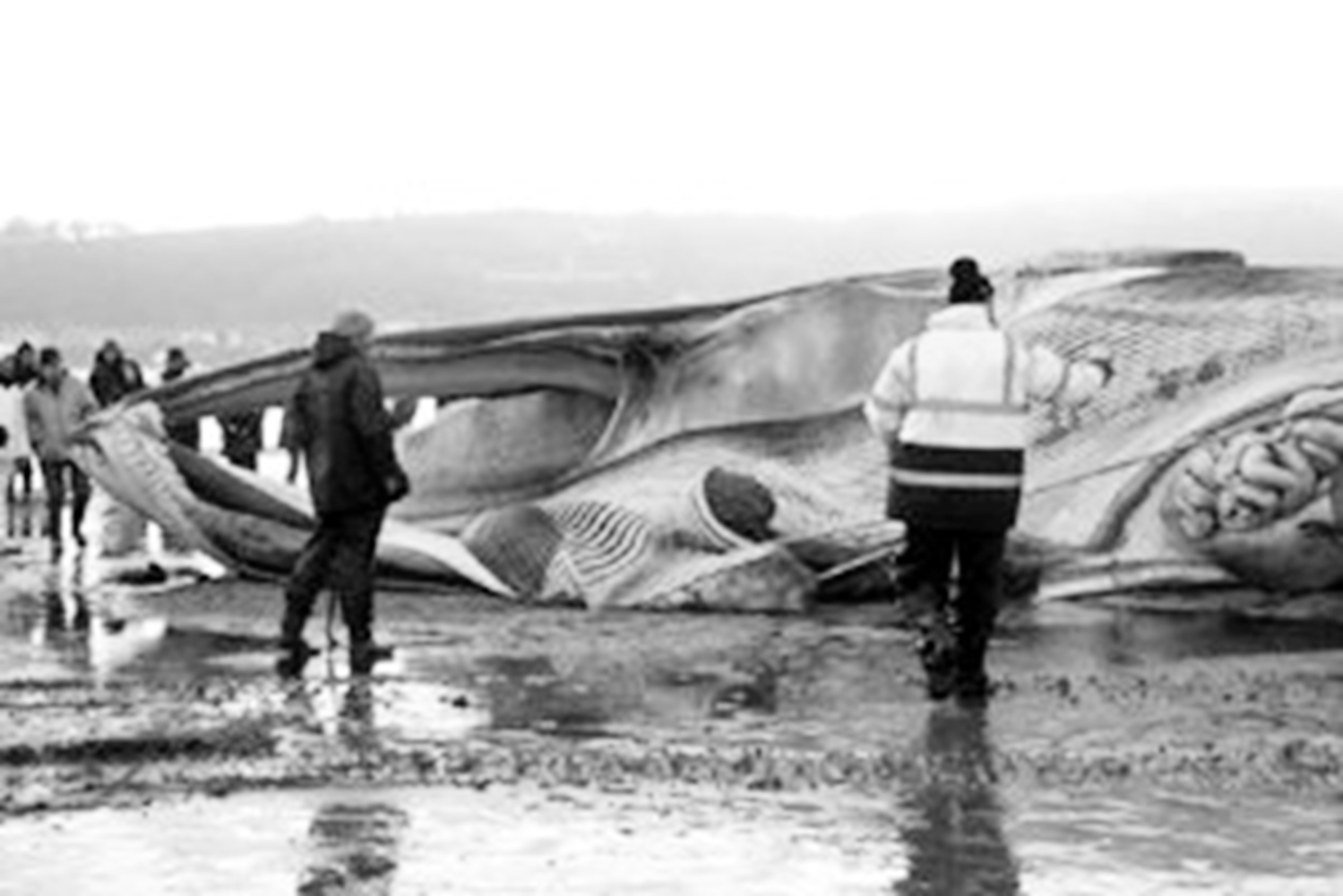
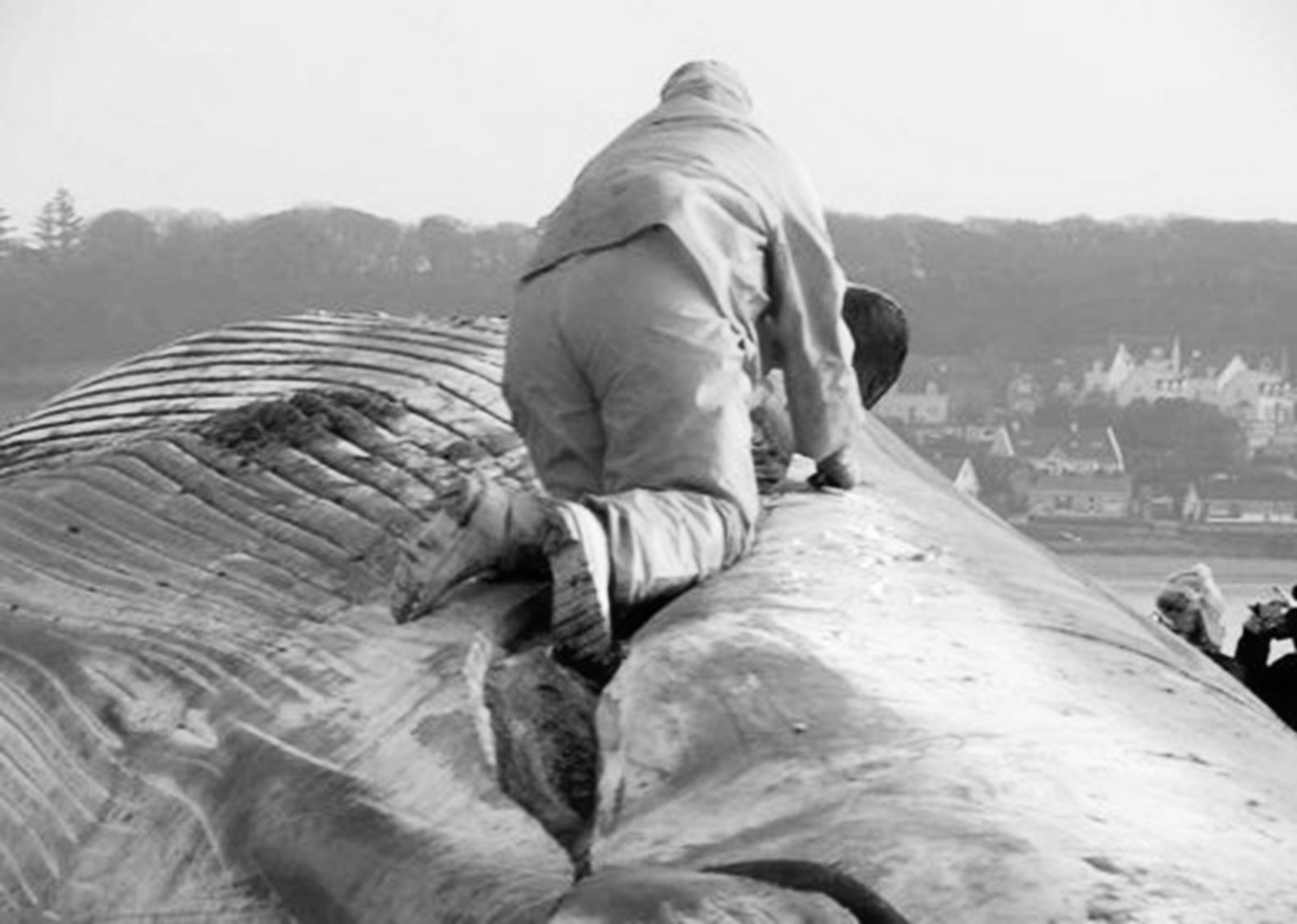
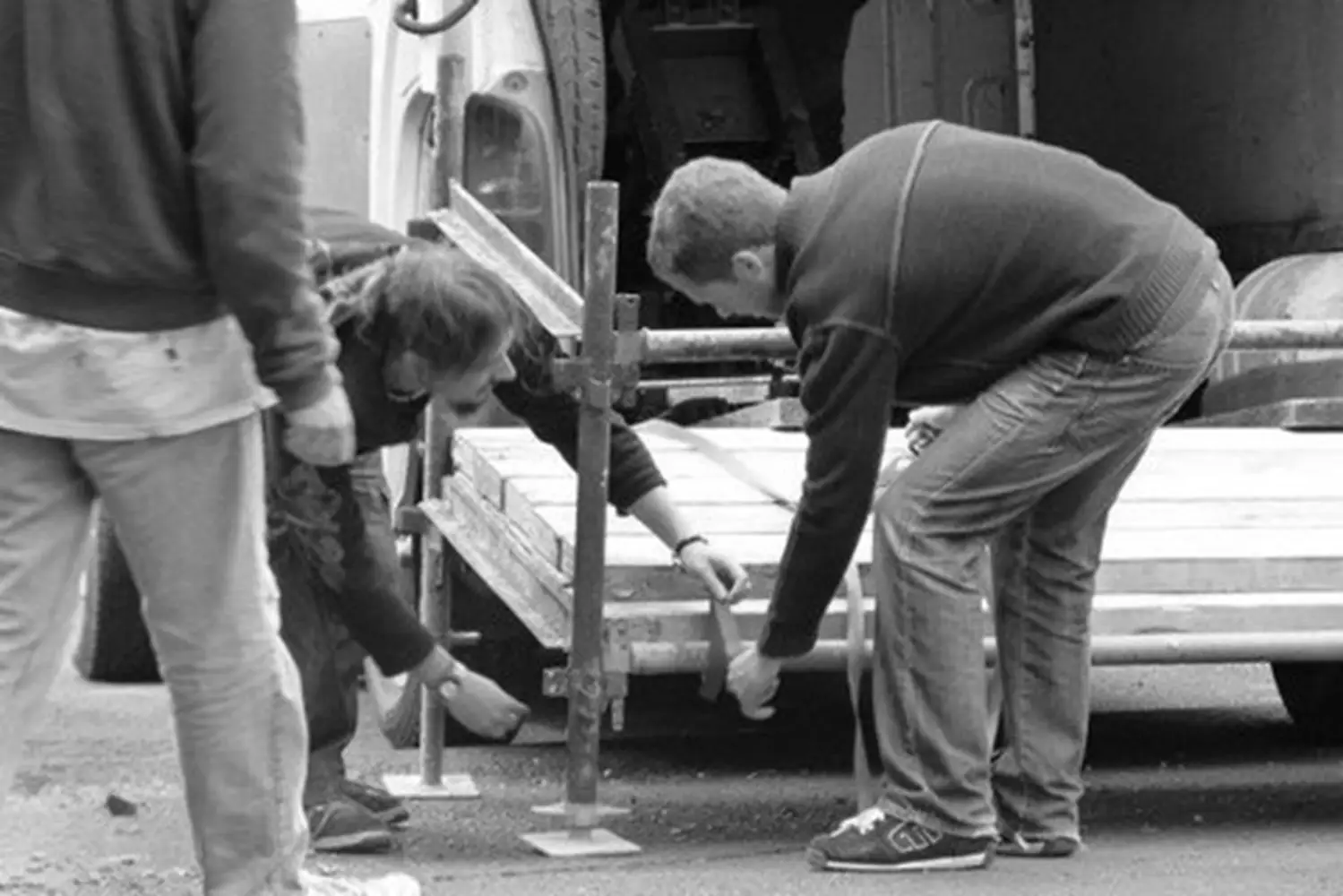
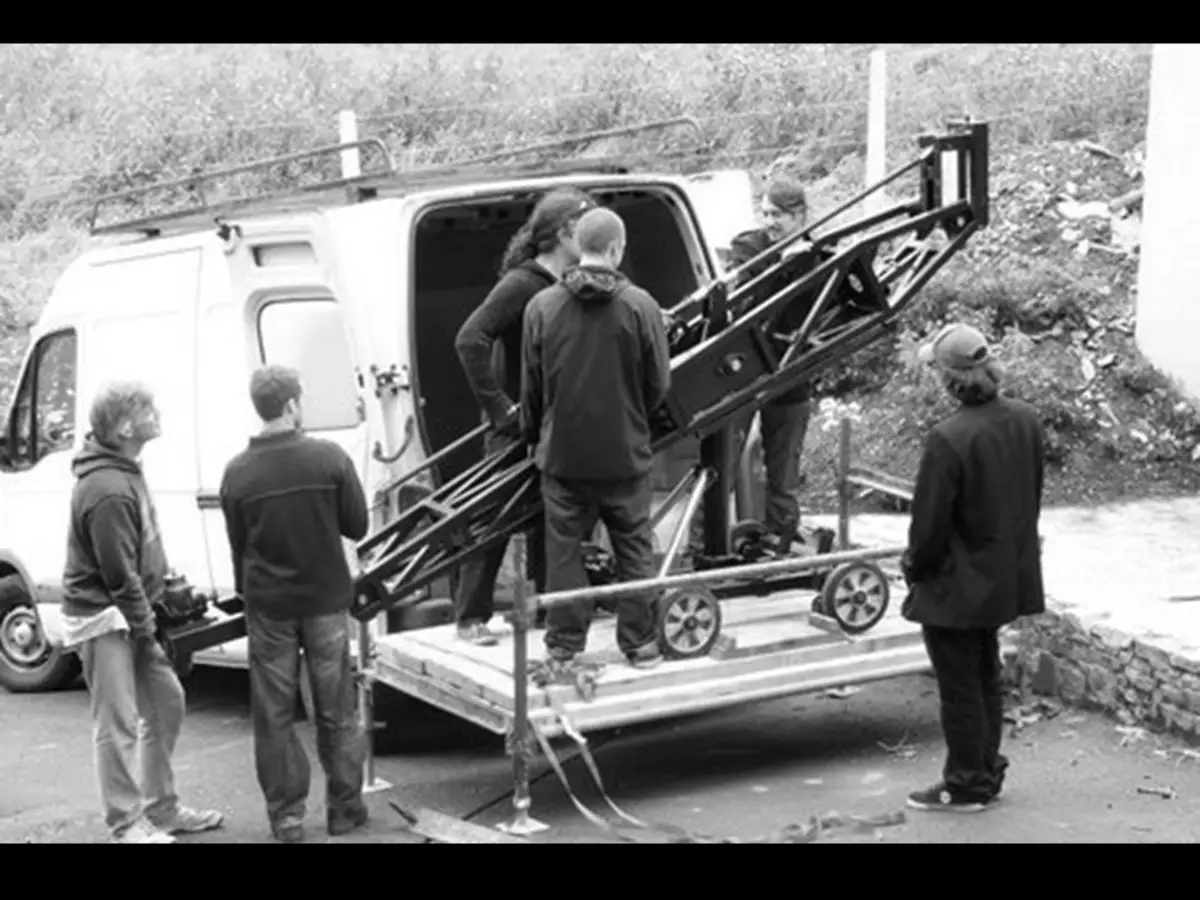
Professor Joy Reidenberg, a world-renowned anatomist from Mount Sinai Medical Centre in New York, travelled to Kilbrittain to perform a scientific autopsy. Her work was filmed by Channel 4 and later shared as part of a marine biology documentary.
Meanwhile, Cork County Council faced a serious challenge: how do you dispose of a 40-ton whale?
What began as a shared moment of awe quickly turned into a mission.
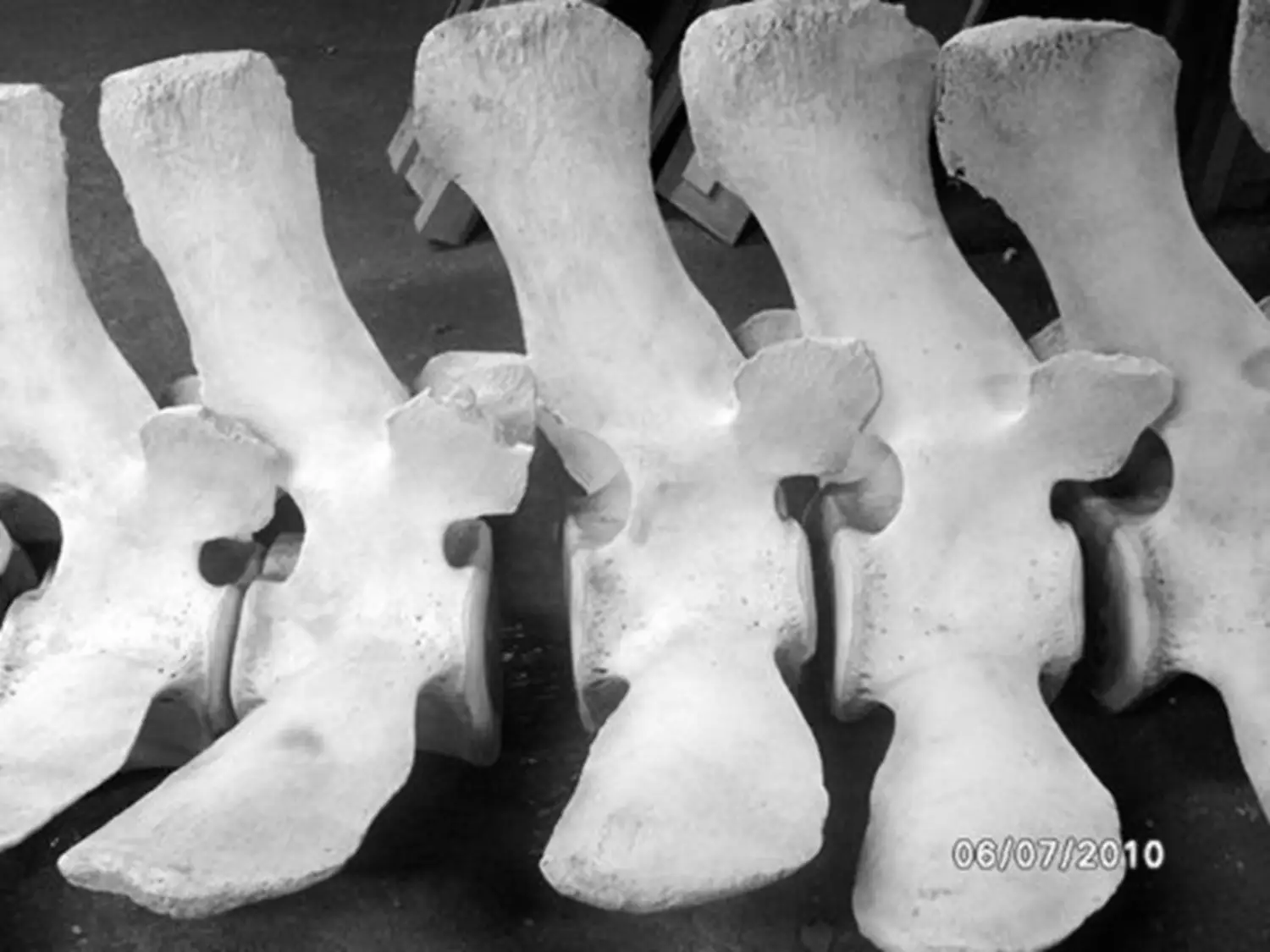
Once the whale’s remains had been recovered, the question became: How do you clean a creature of this size — respectfully, thoroughly, and without damaging the bones?
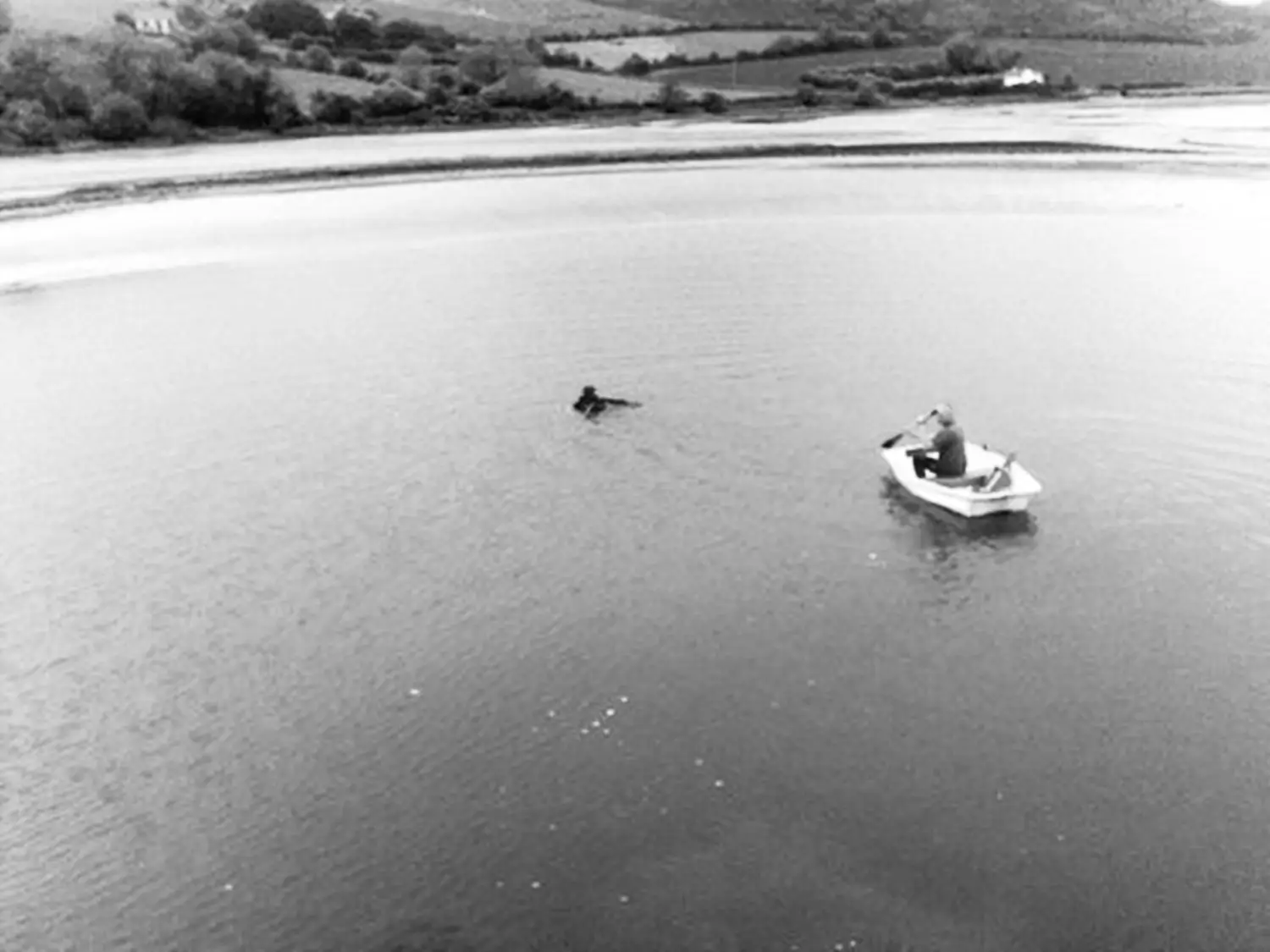
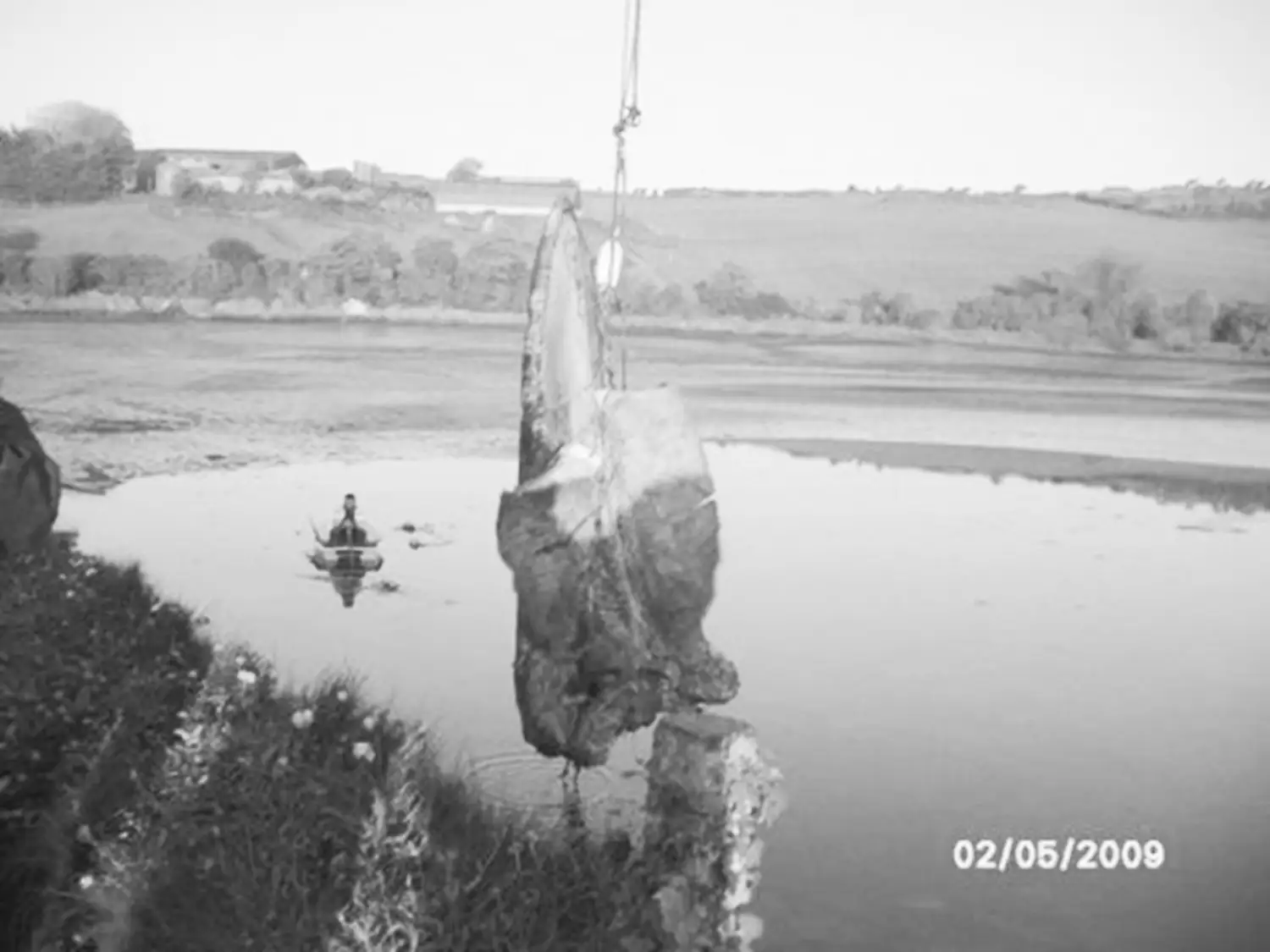
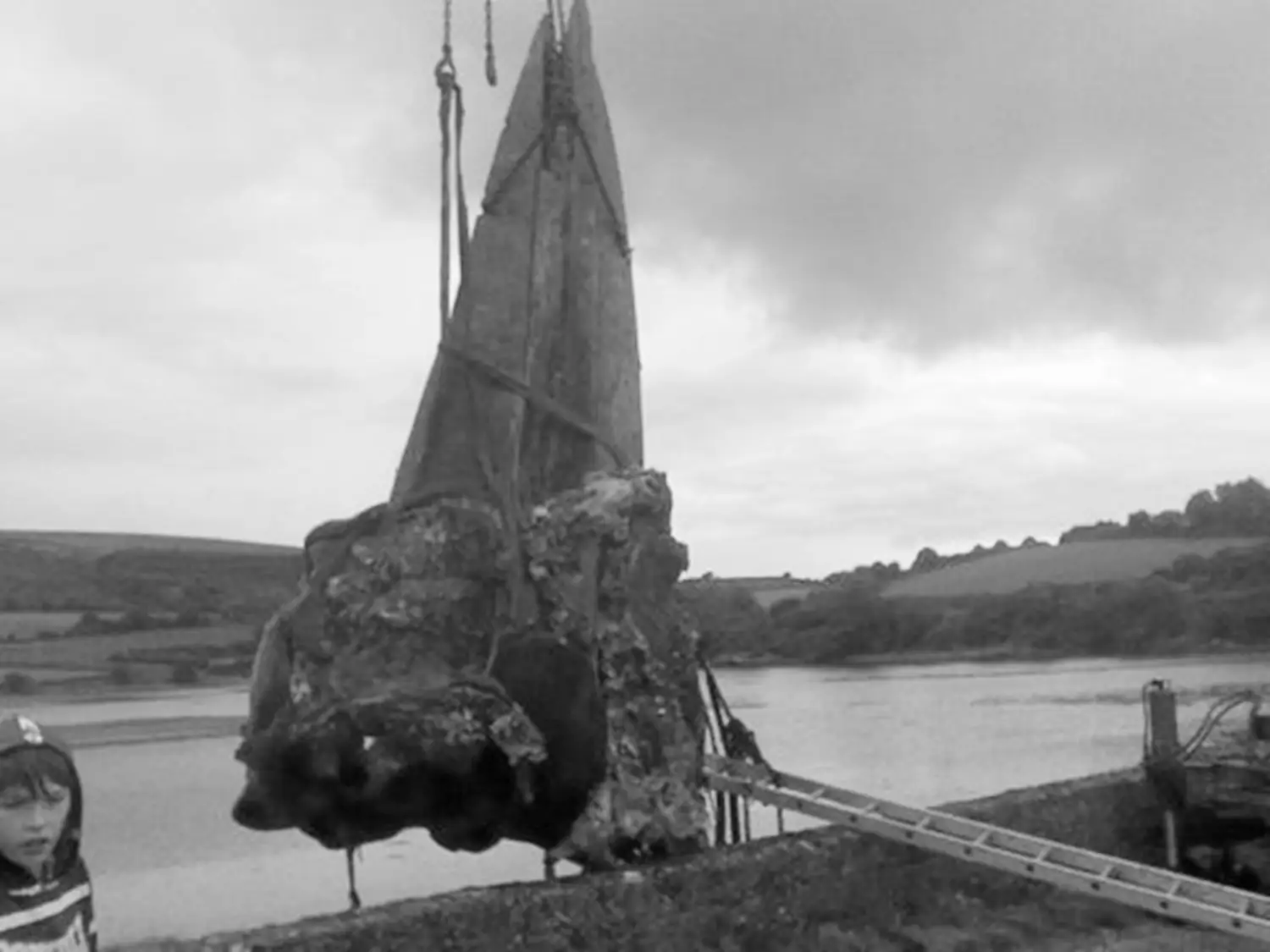
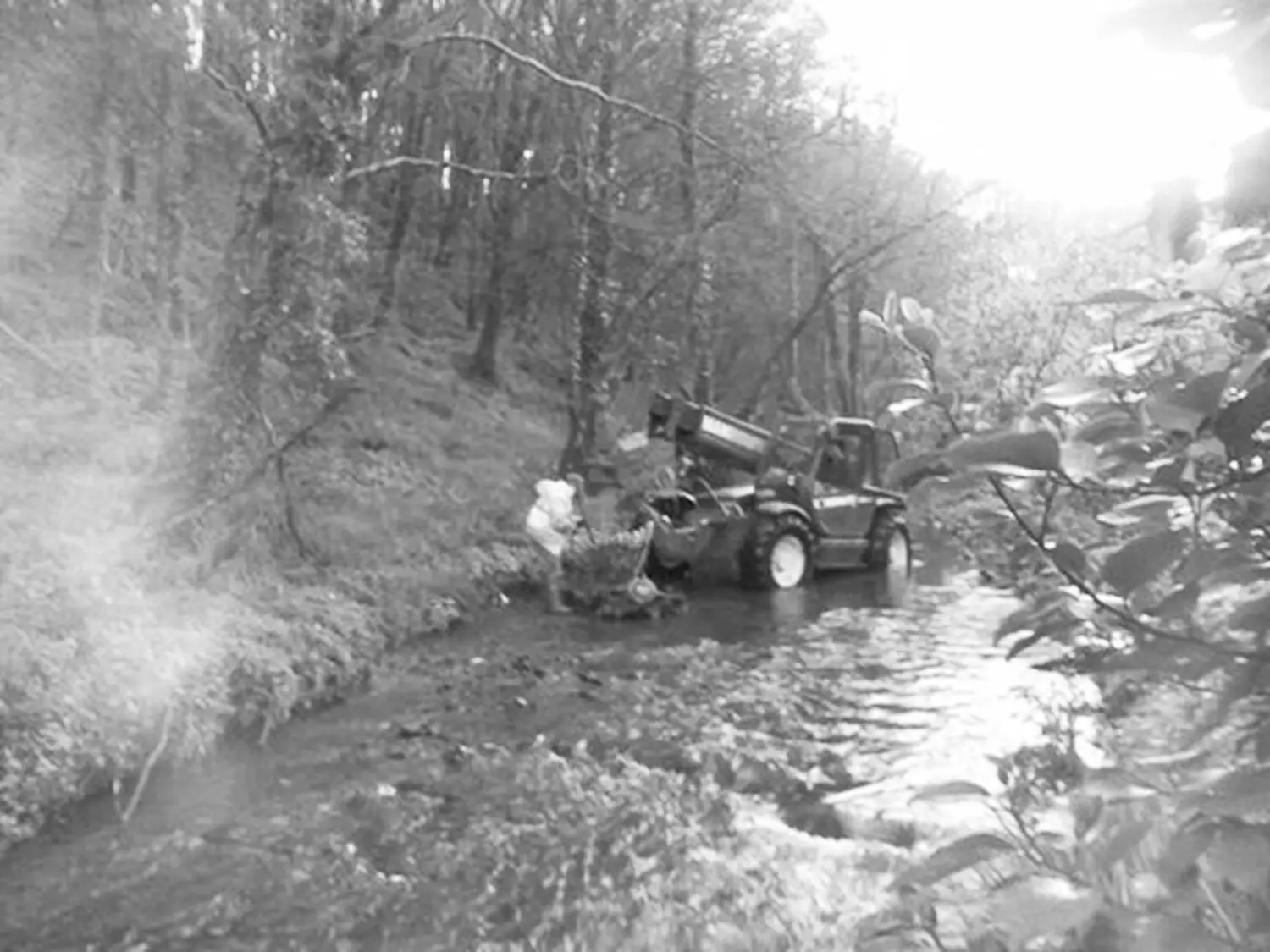
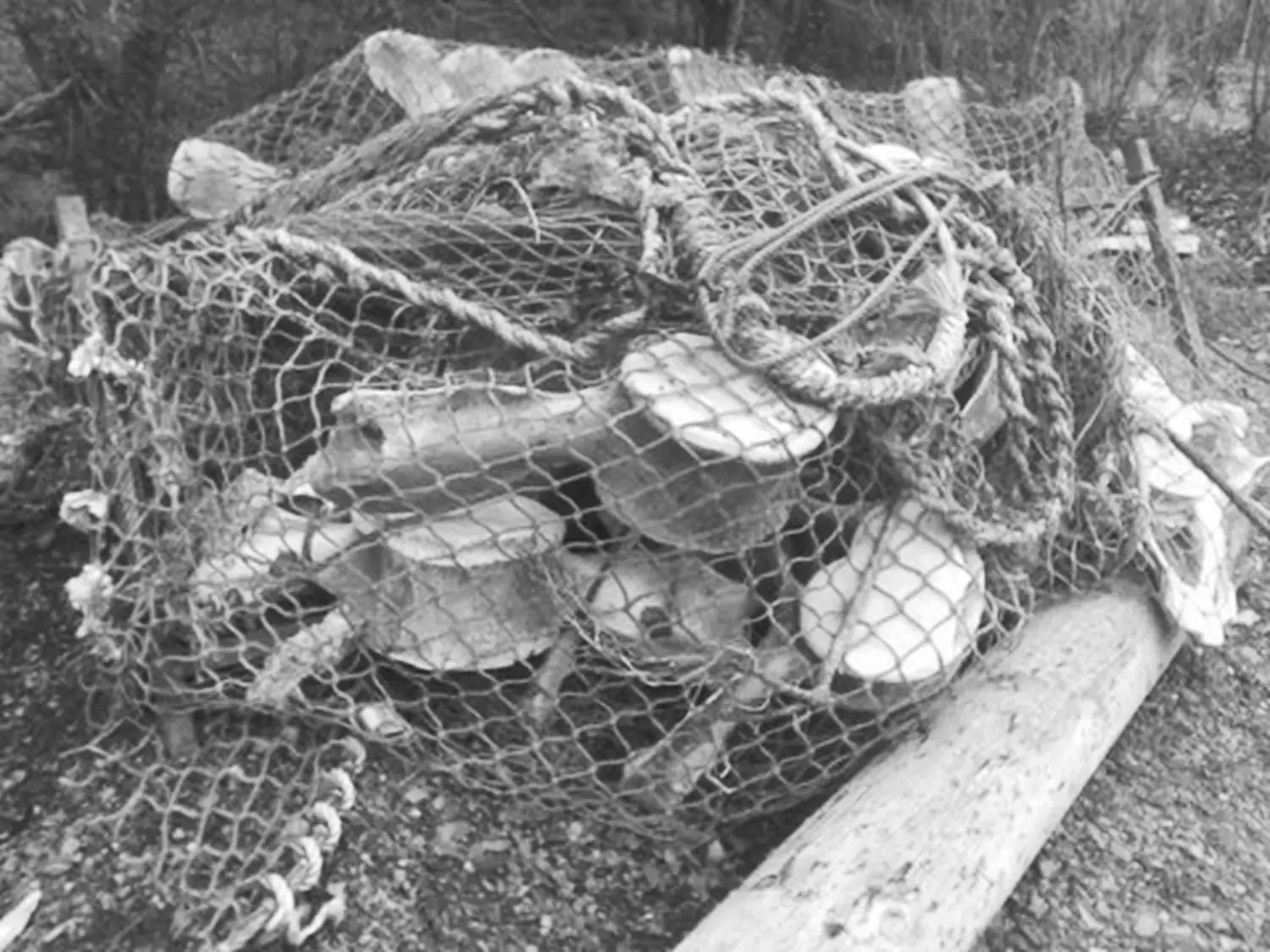
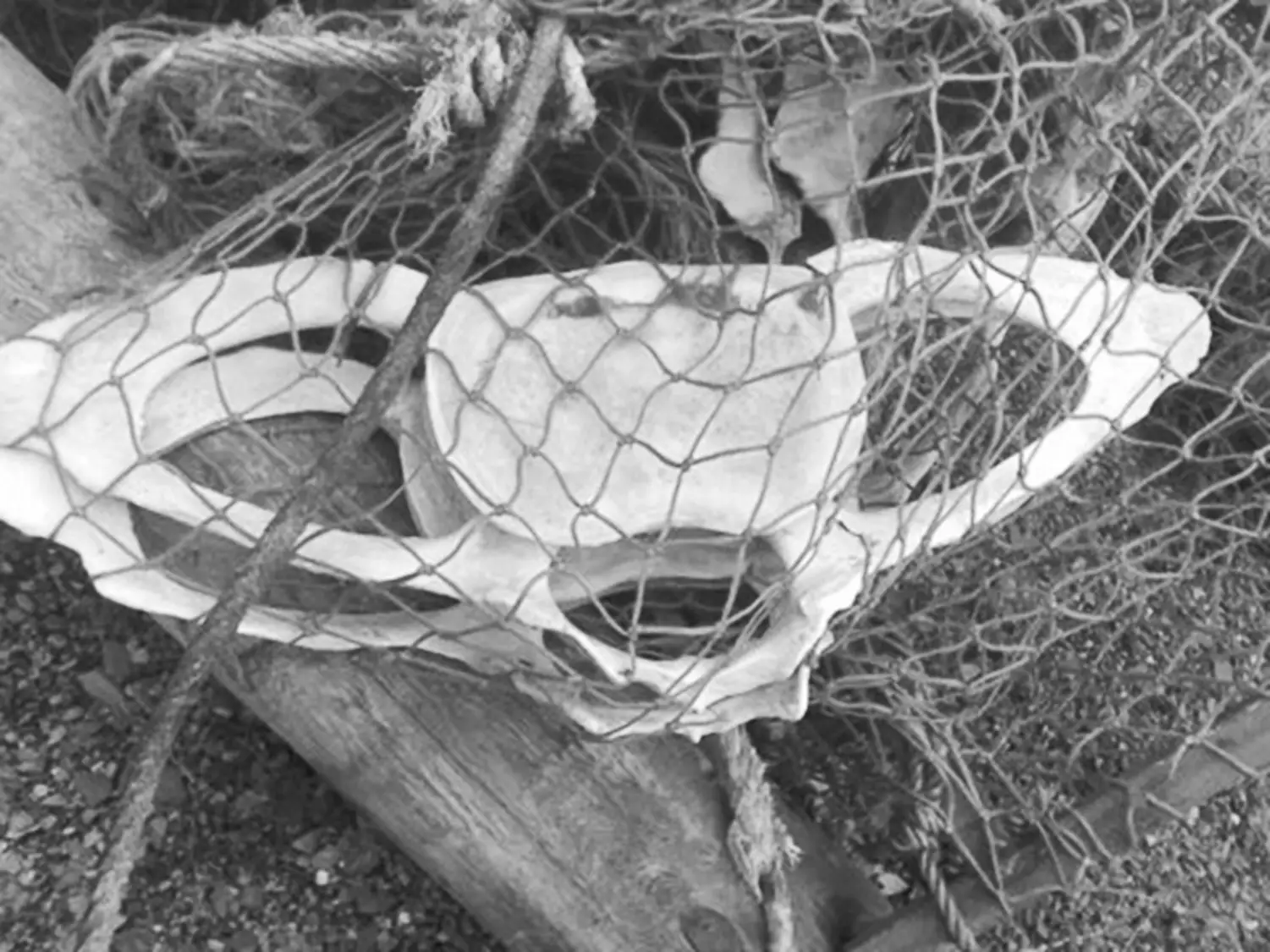
The community came up with an ingenious solution. They carefully placed parts of the whale in a quiet section of the bay, where crabs and other sea life could naturally clean them. For 2–3 months, nature did its work — and it did it beautifully. When recovered, the bones were pristine.
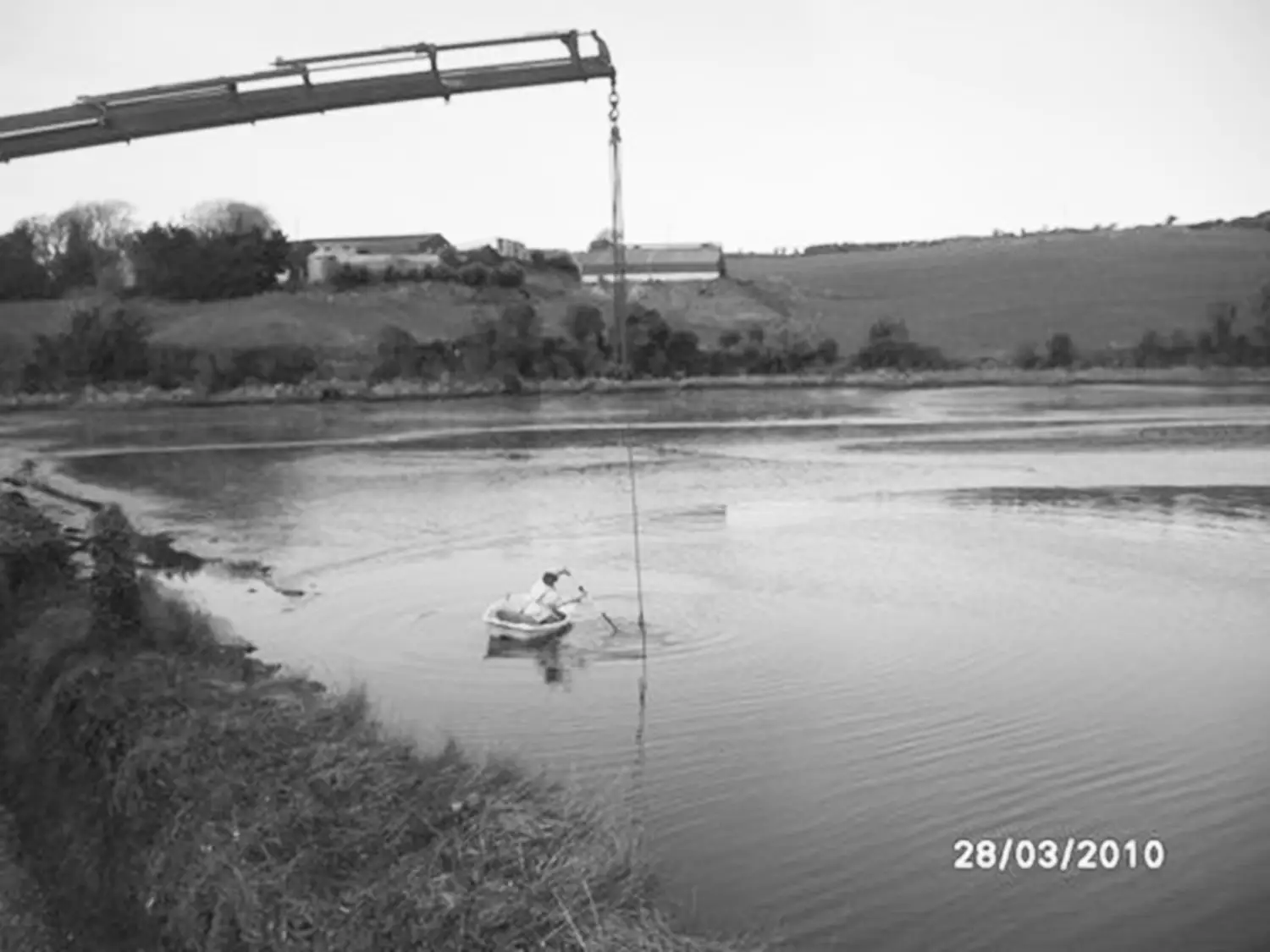
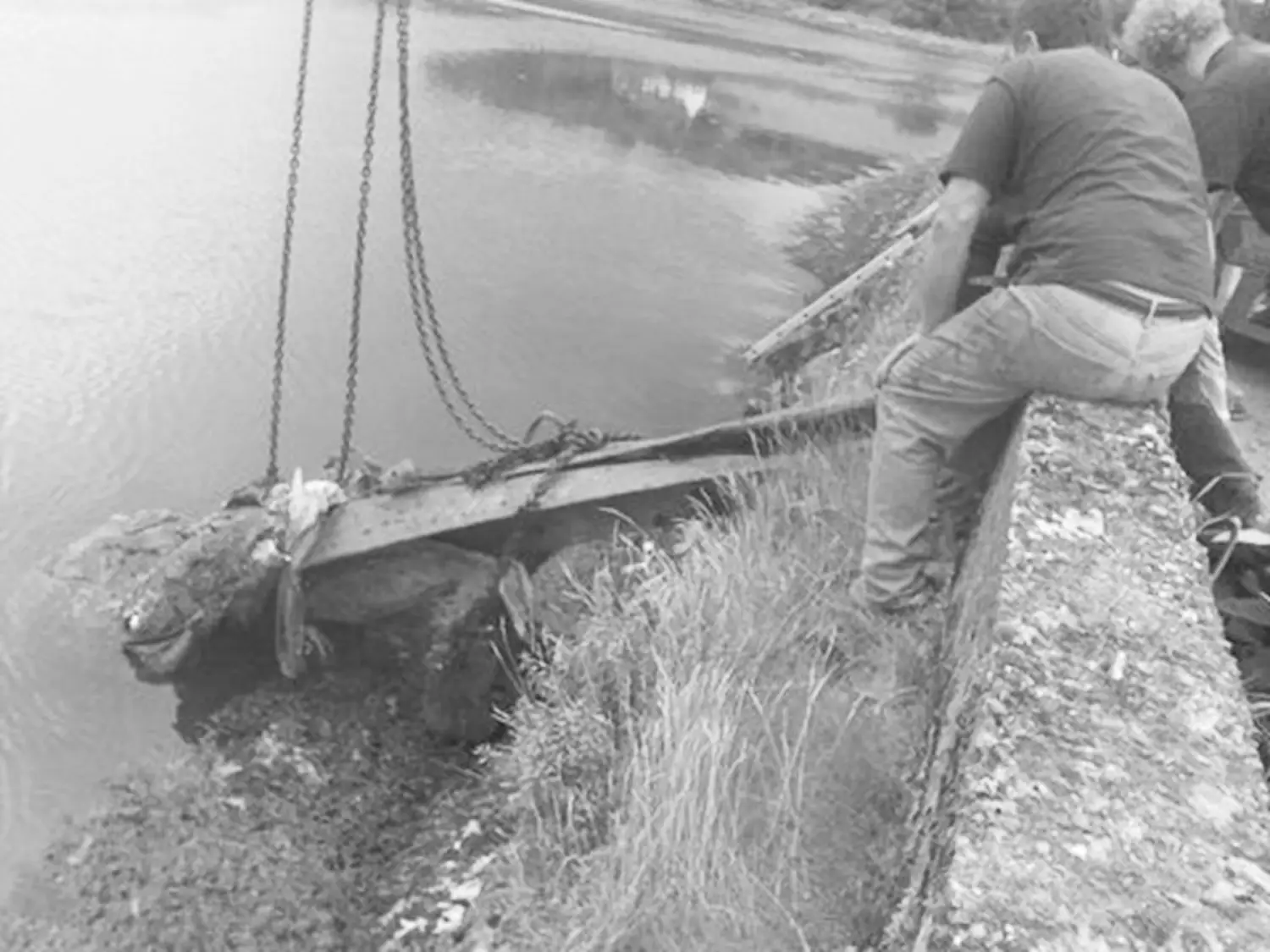
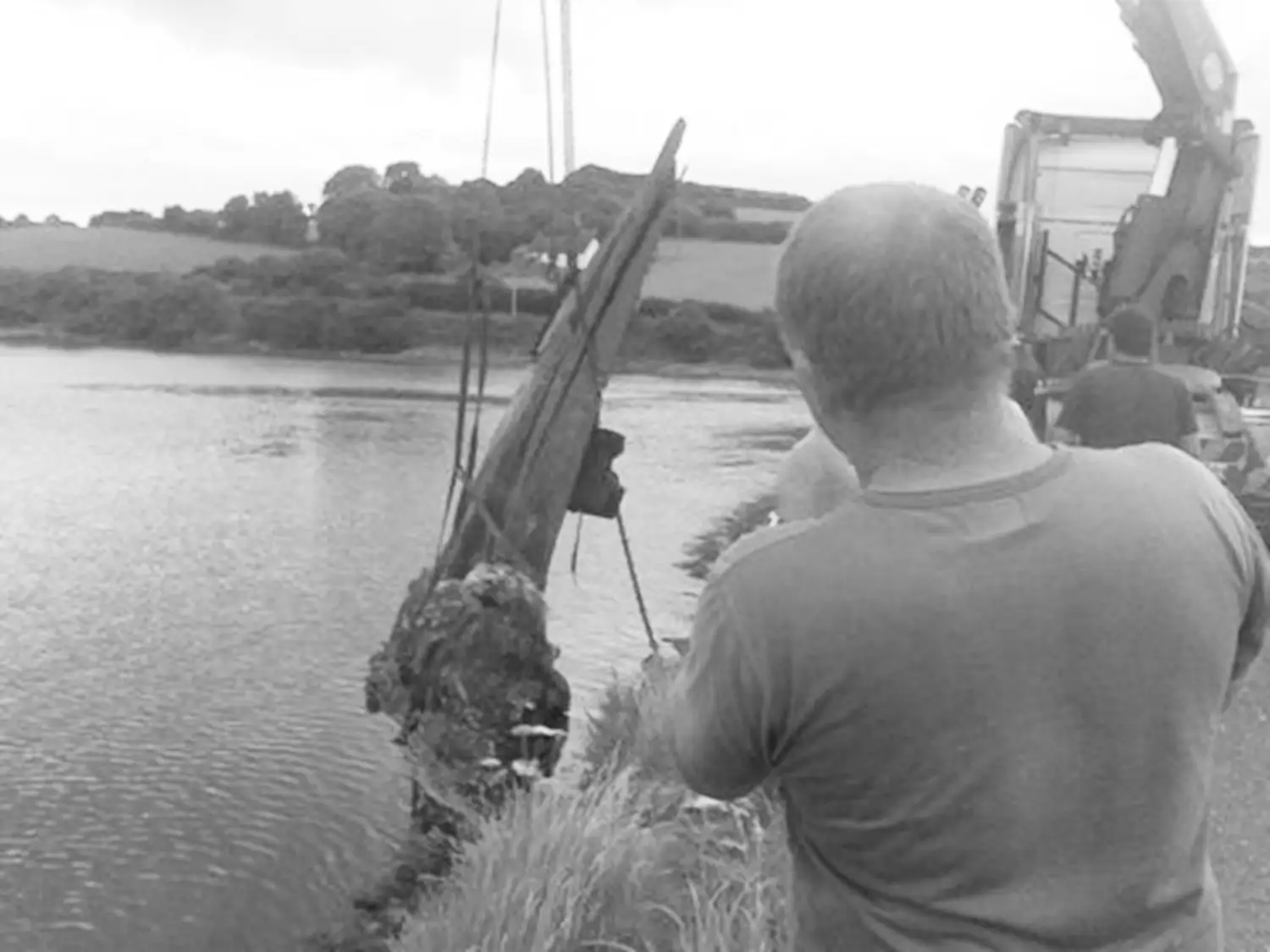
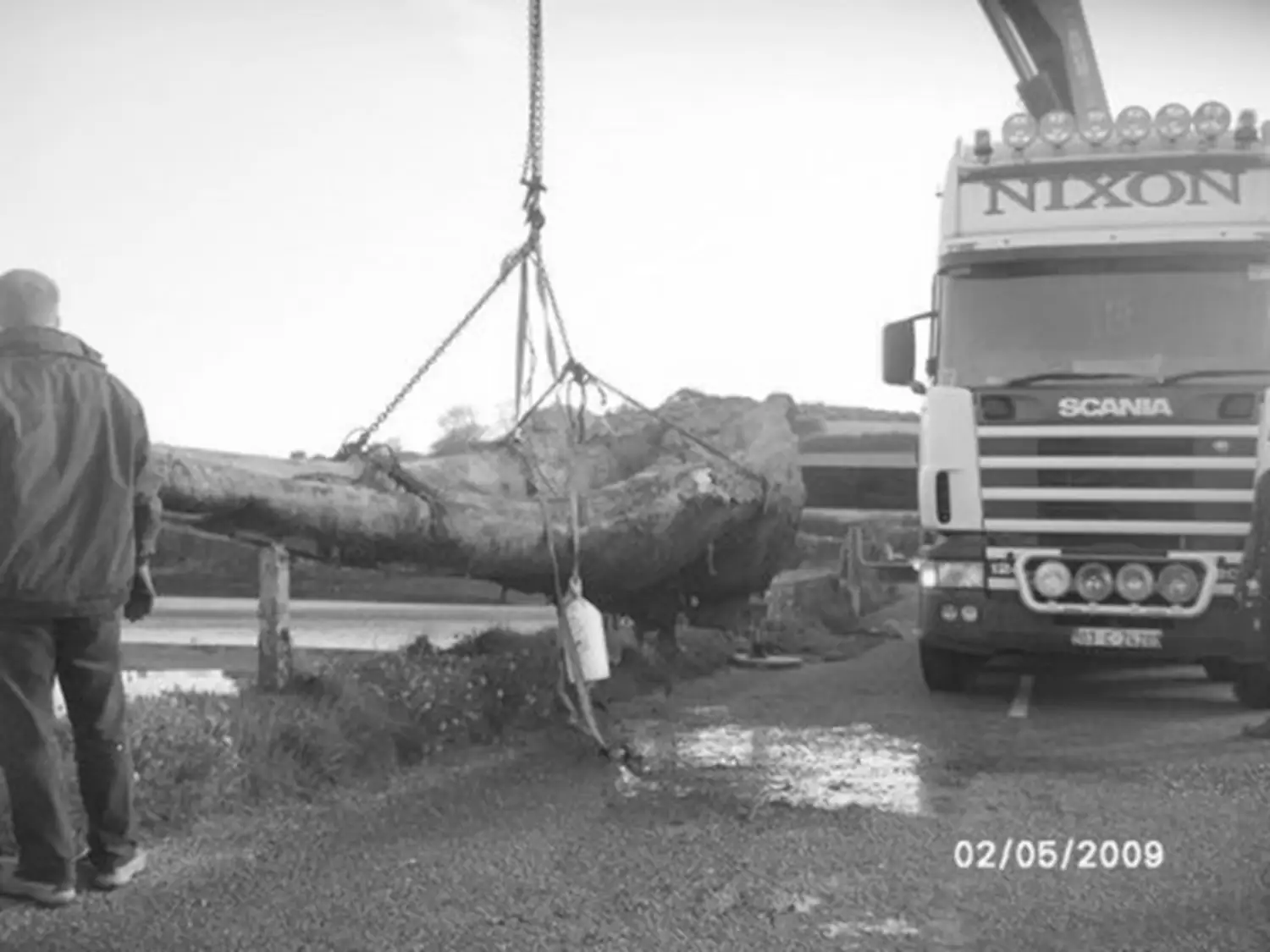
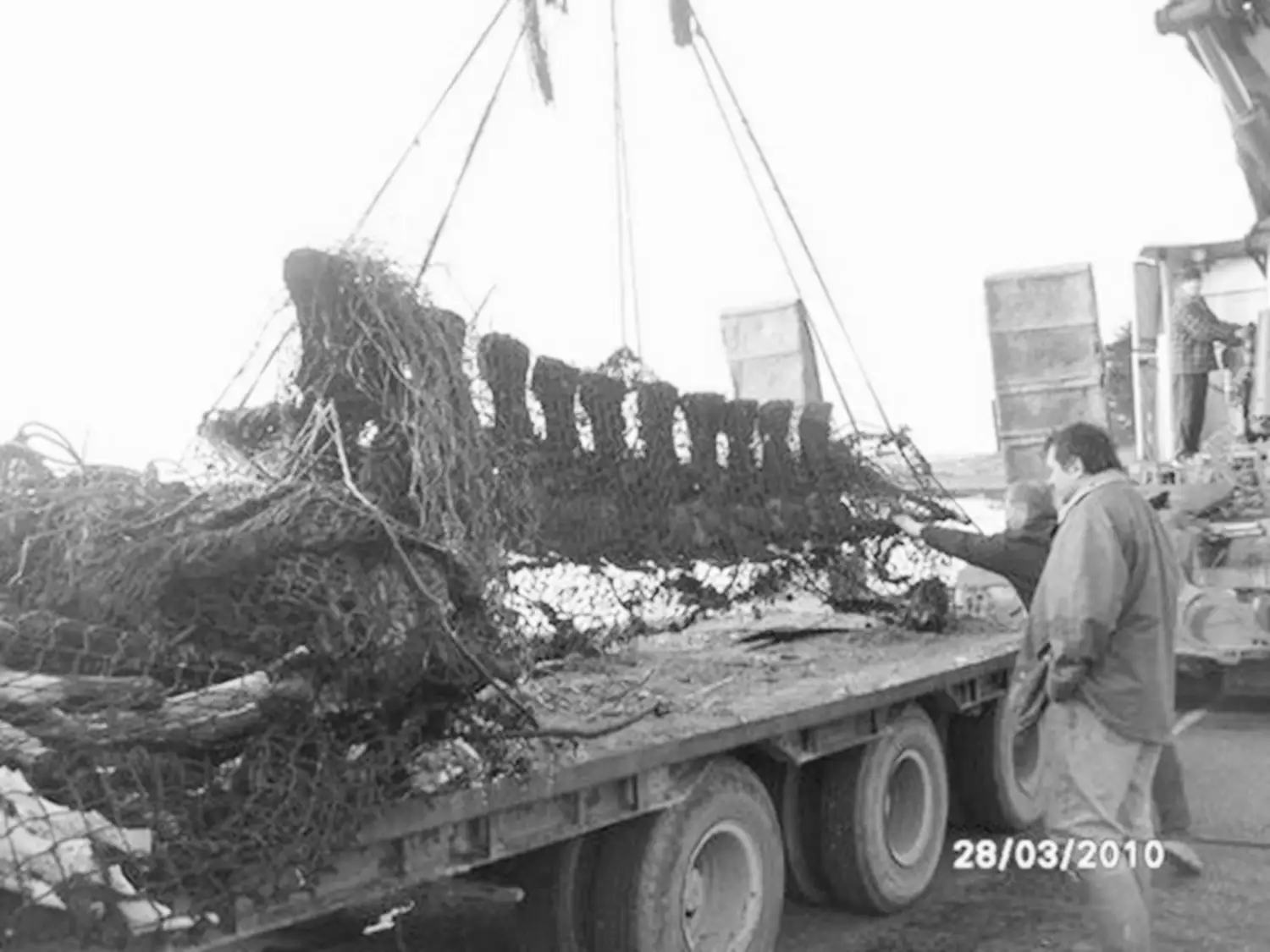
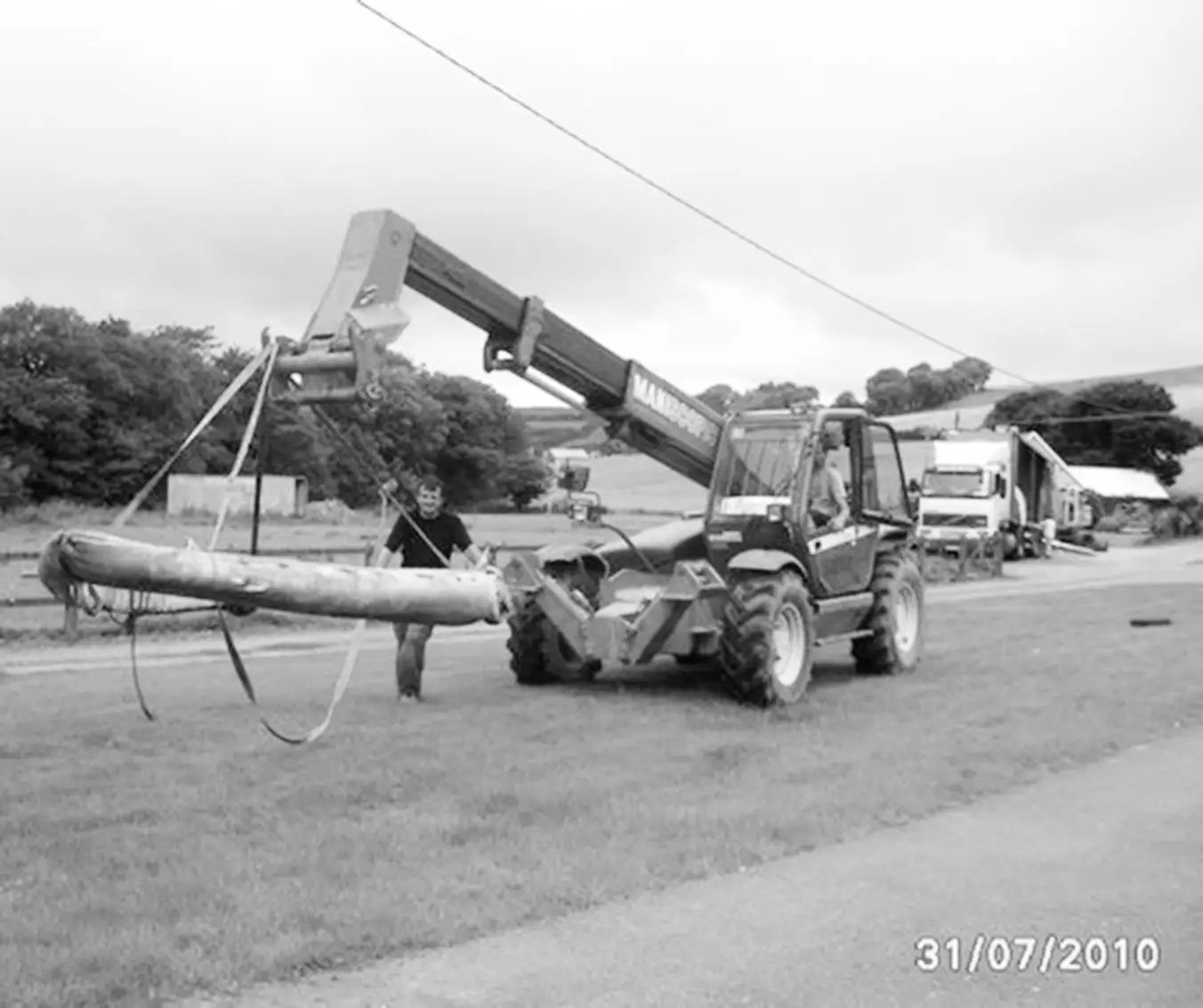
It was a testament to both creativity and care. Volunteers coordinated the placement and recovery with precision. Cranes were brought in. Boats and marine equipment were shared. Local knowledge of tides, winds, and inlets made it possible. From sea lovers to engineers, everyone had a role to play.
From beach to bay — and beneath the surface.
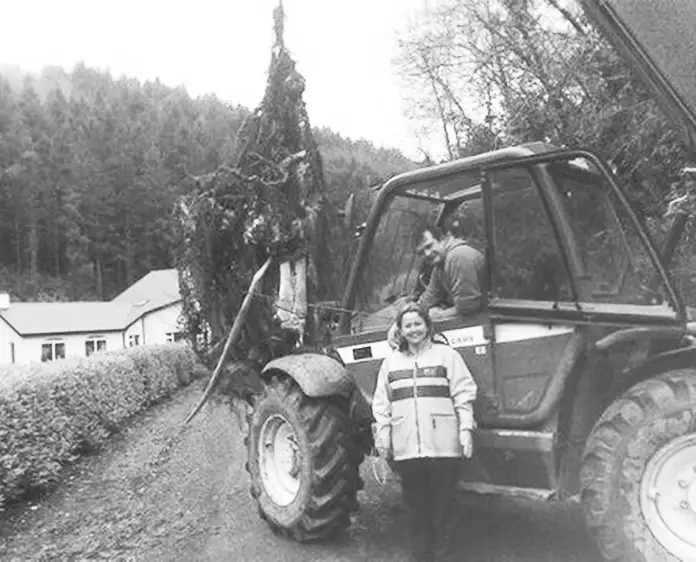
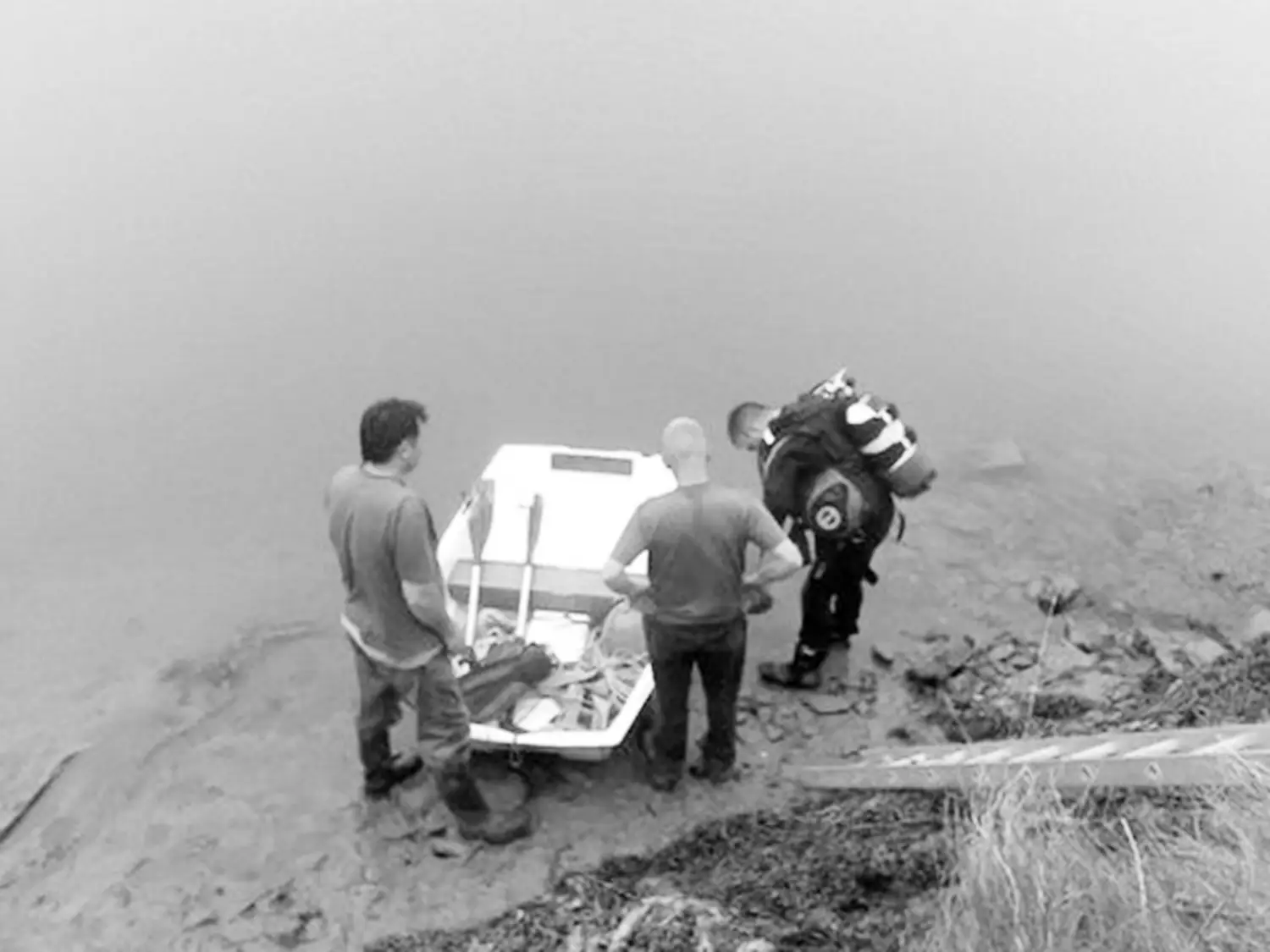
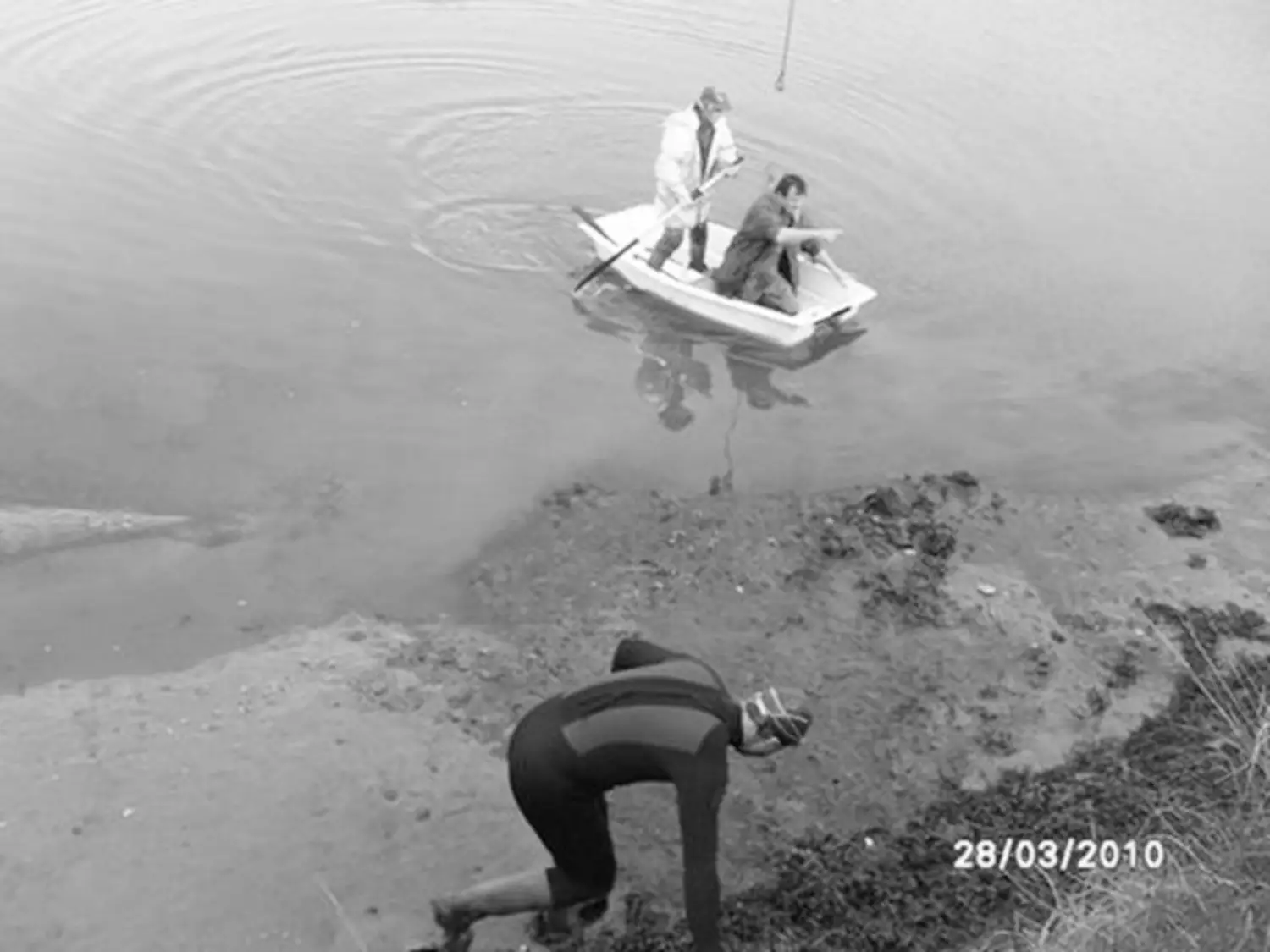
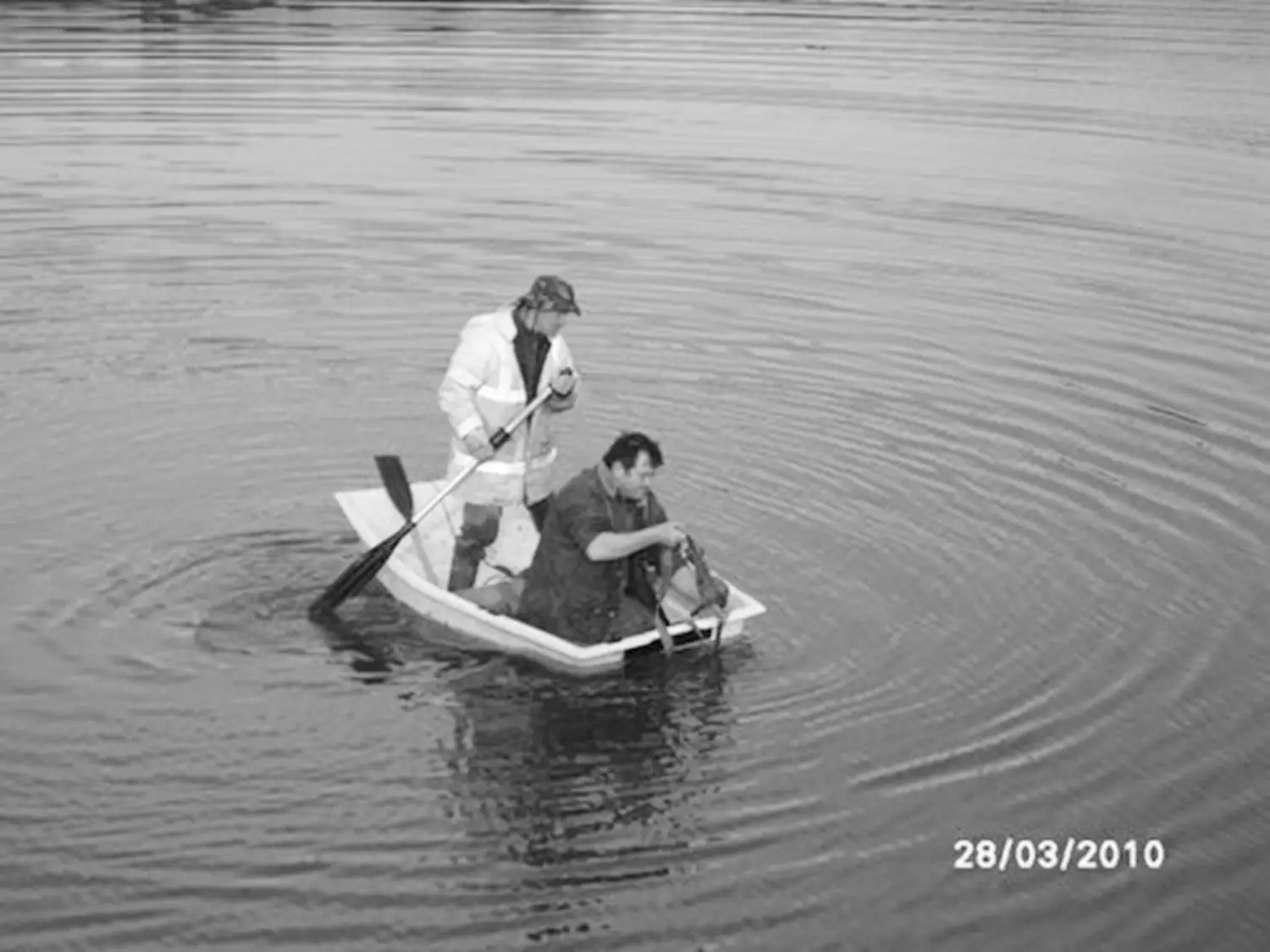
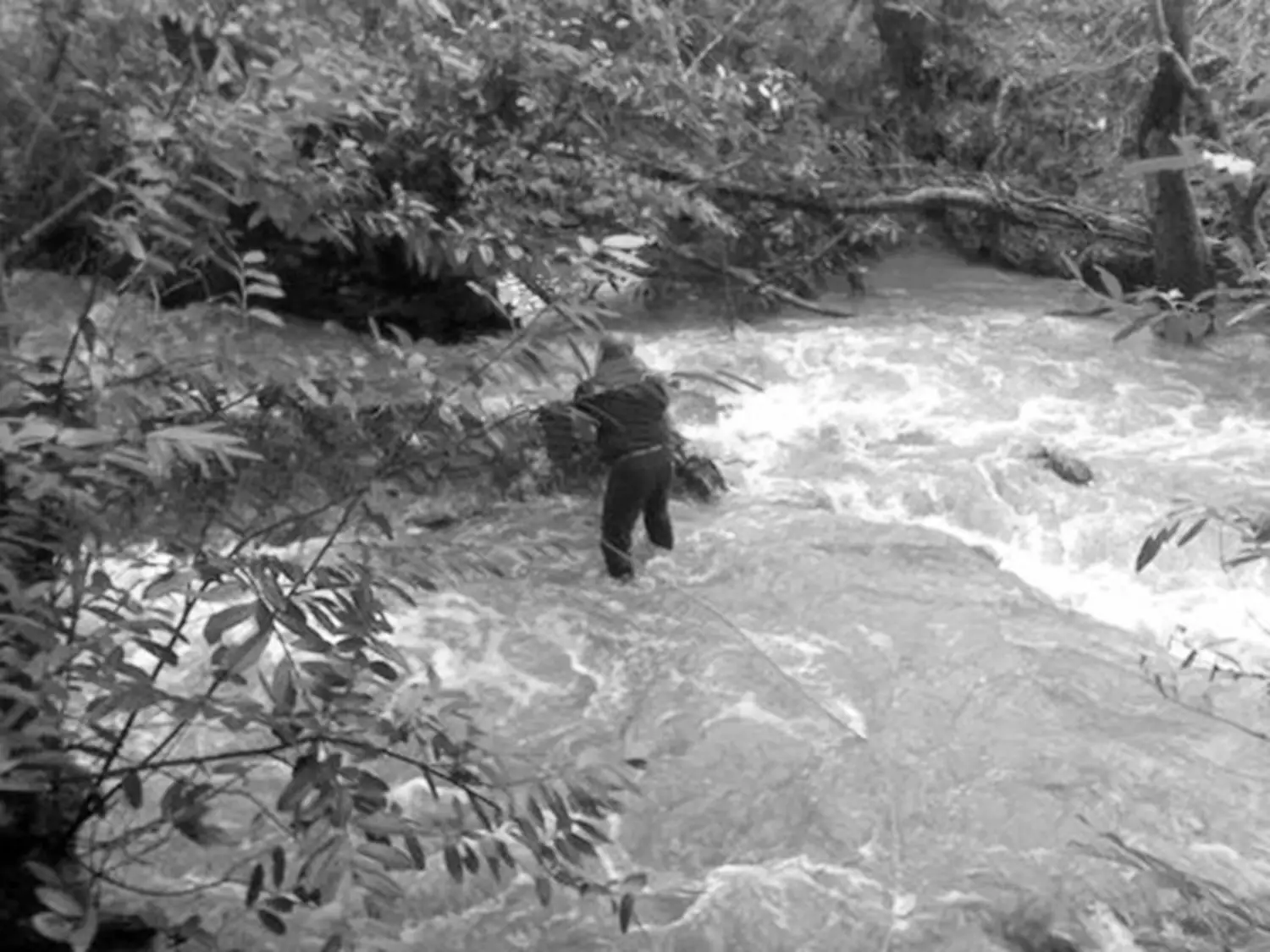
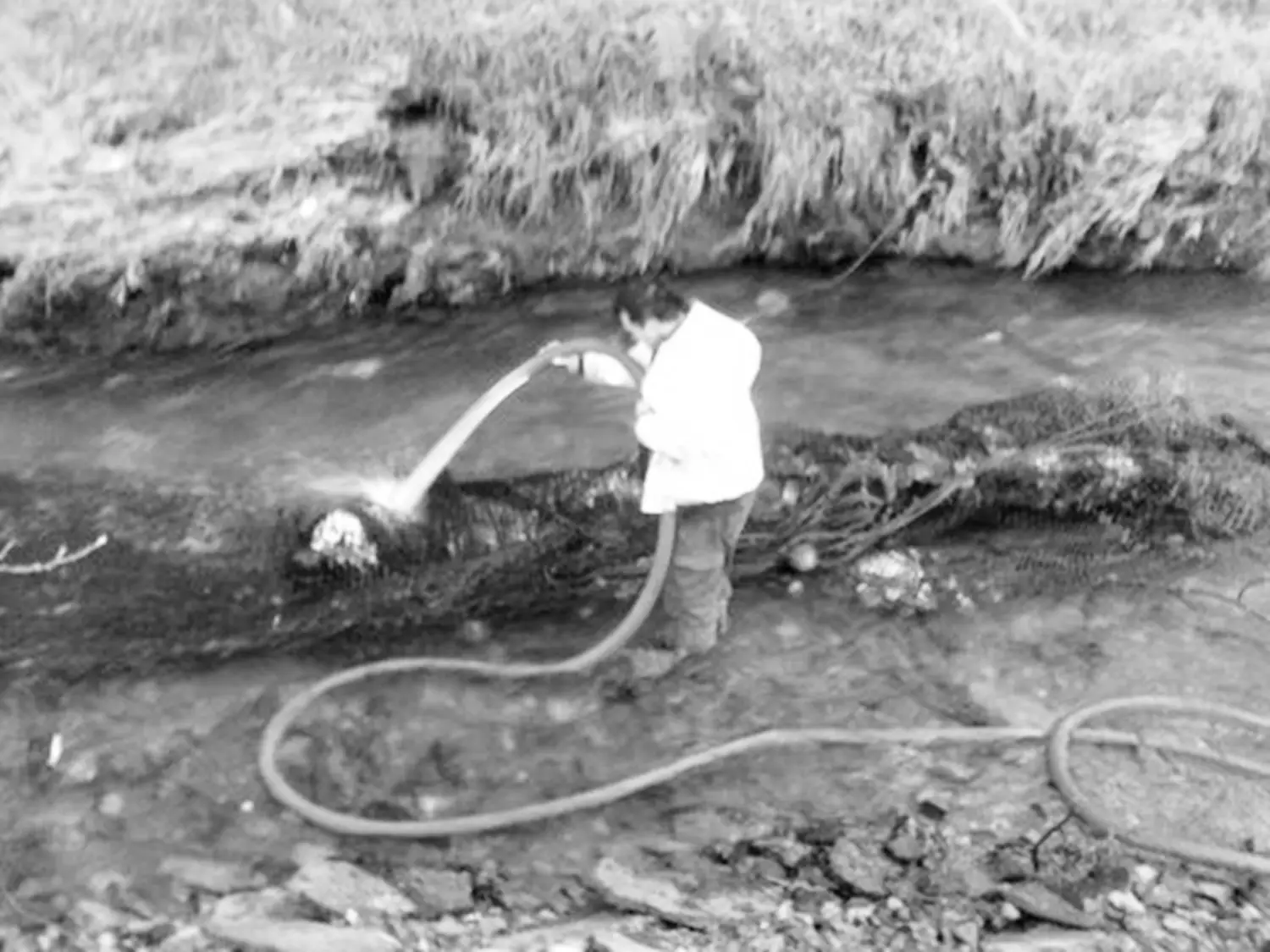
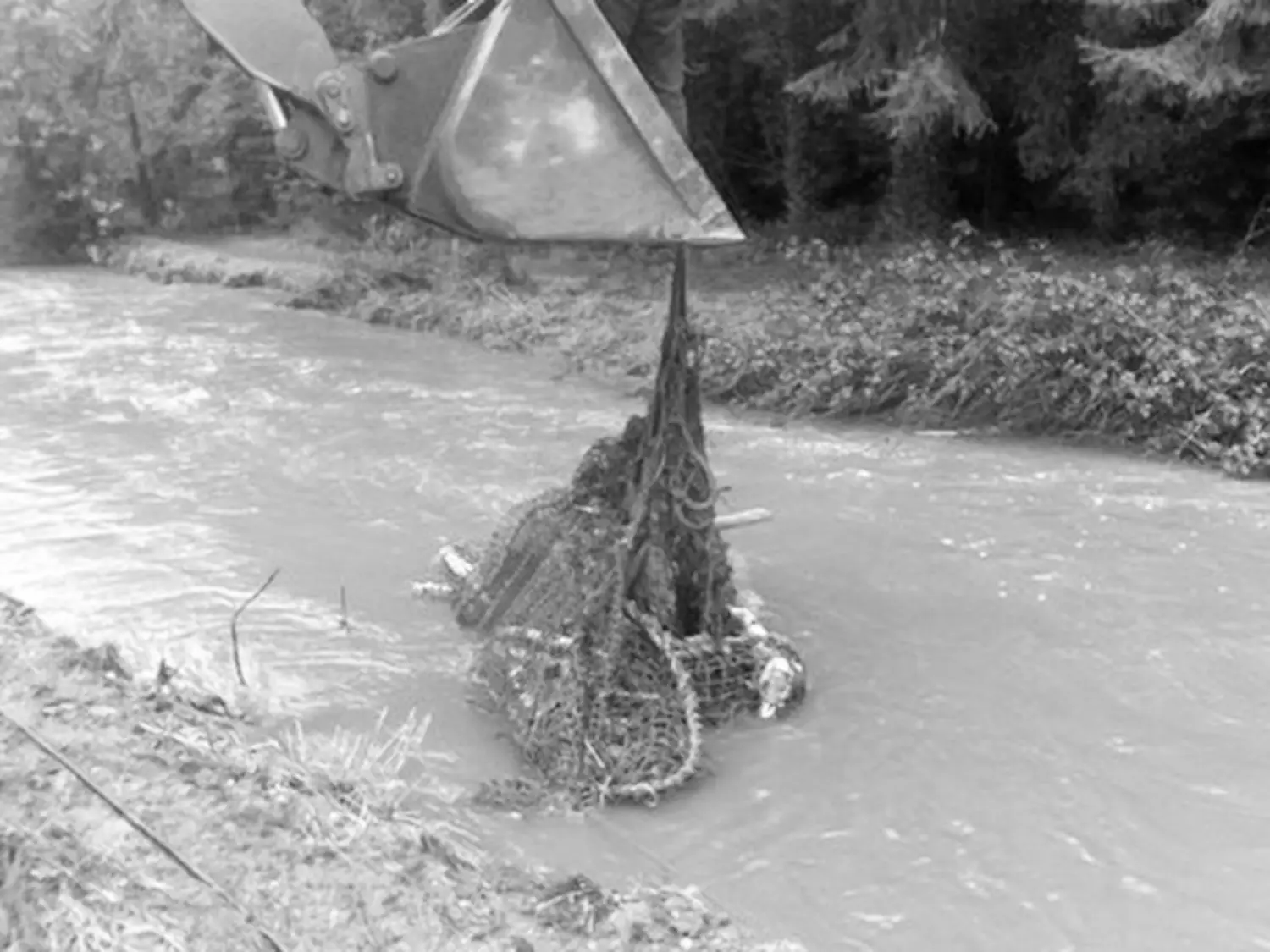
Another part of the skeleton was treated differently. Hoping to remove the last stubborn tissue, the team submerged bones into the nearby river — letting fish and flowing water do the rest.
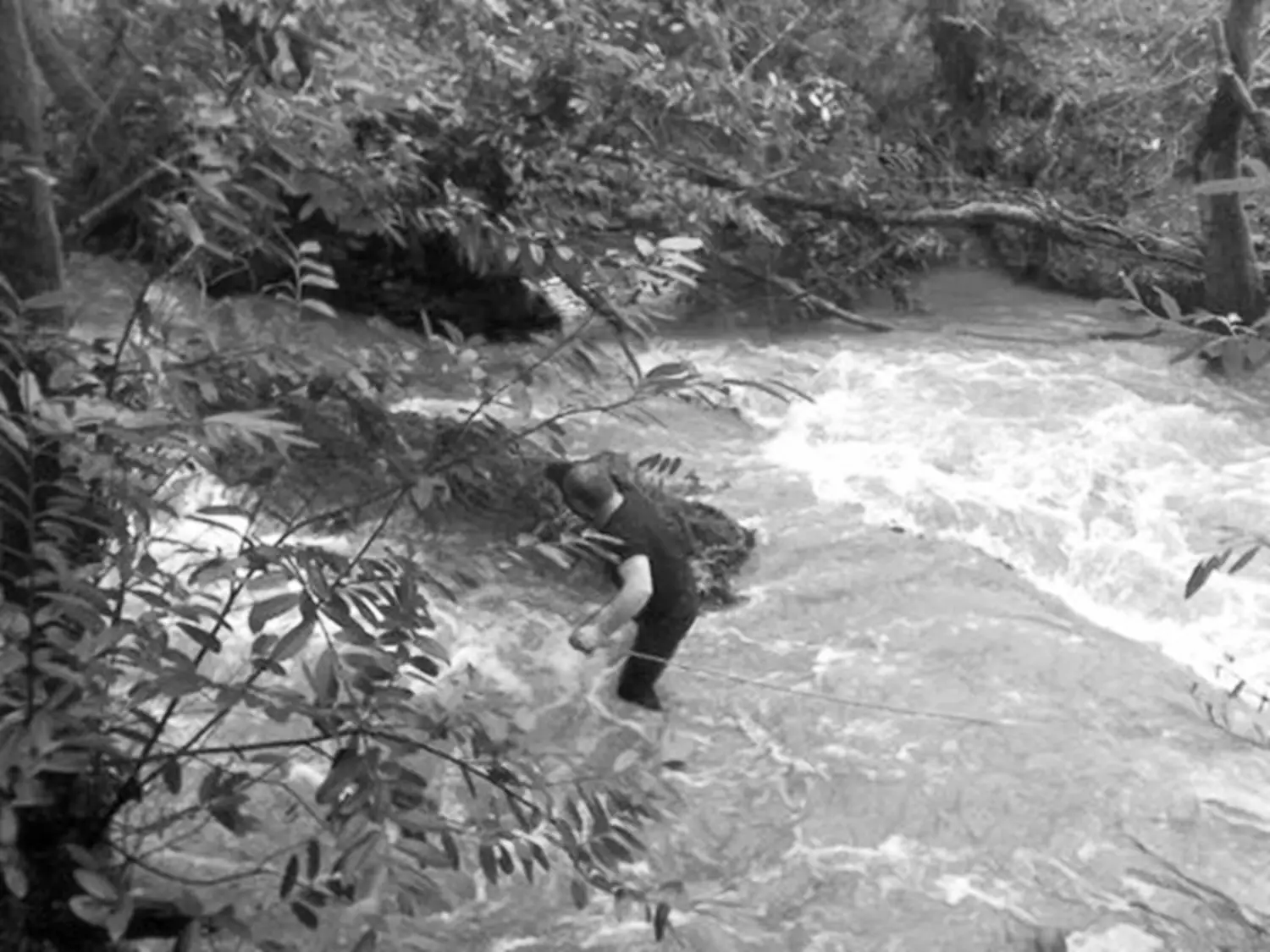
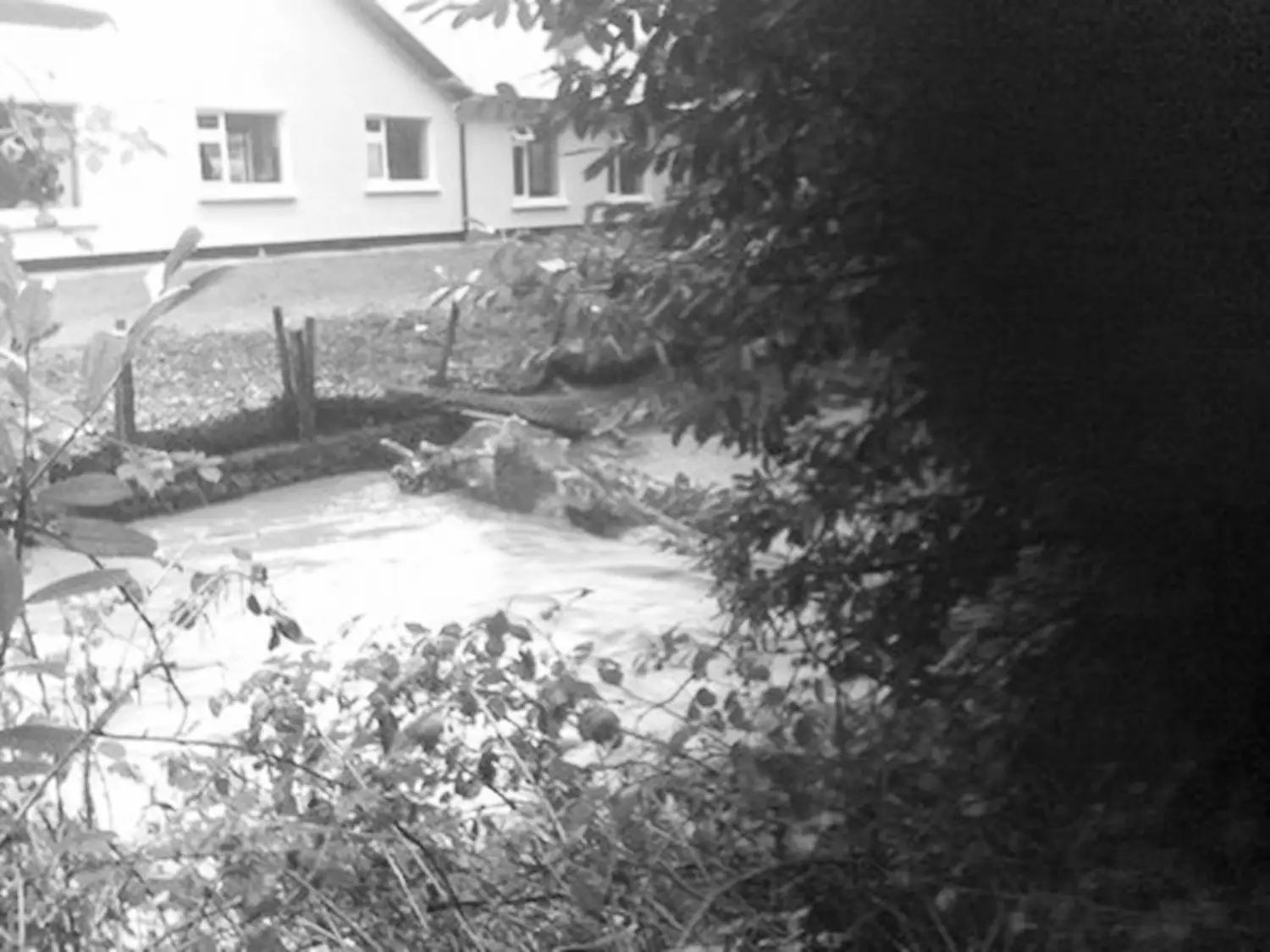
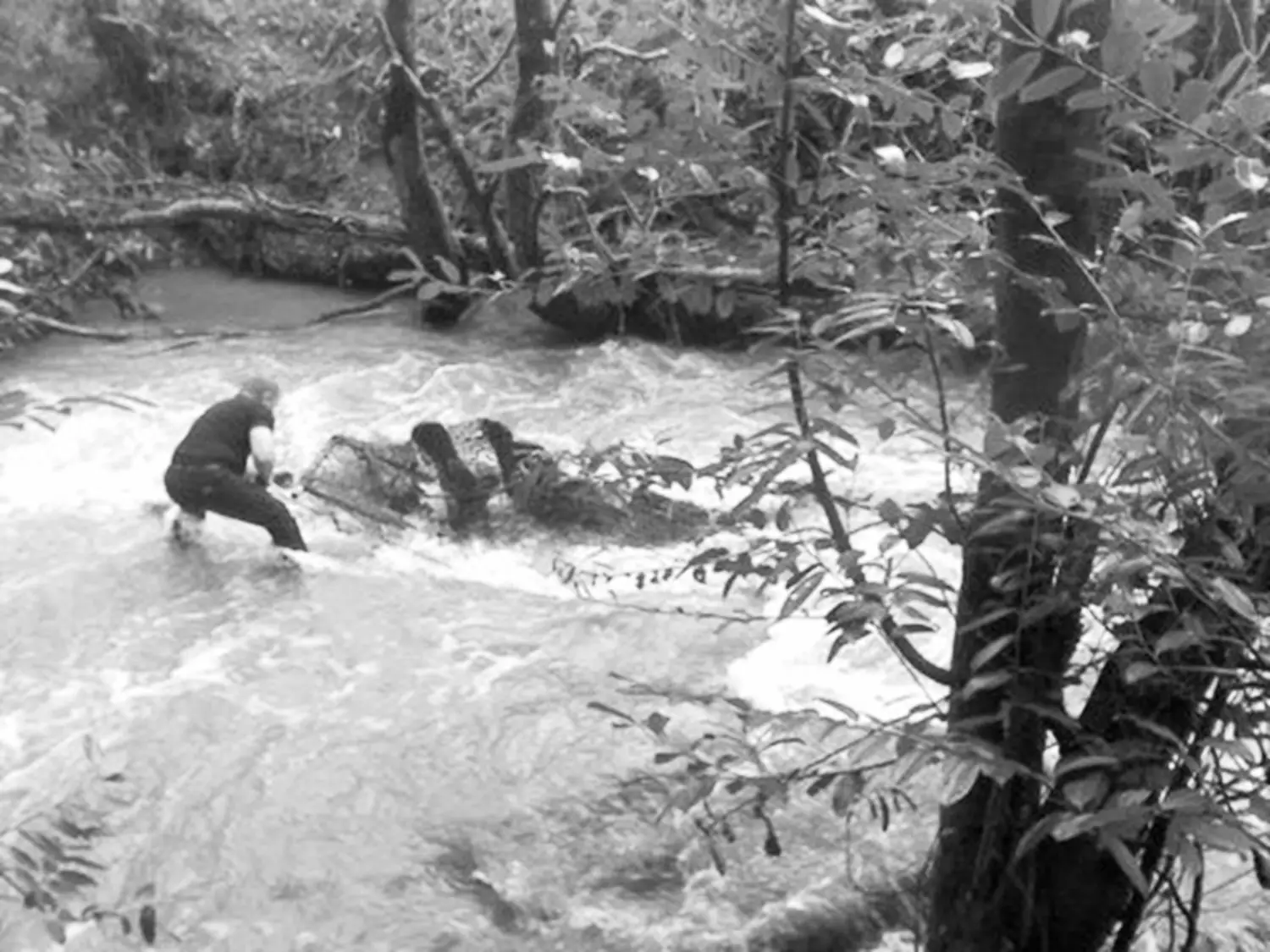
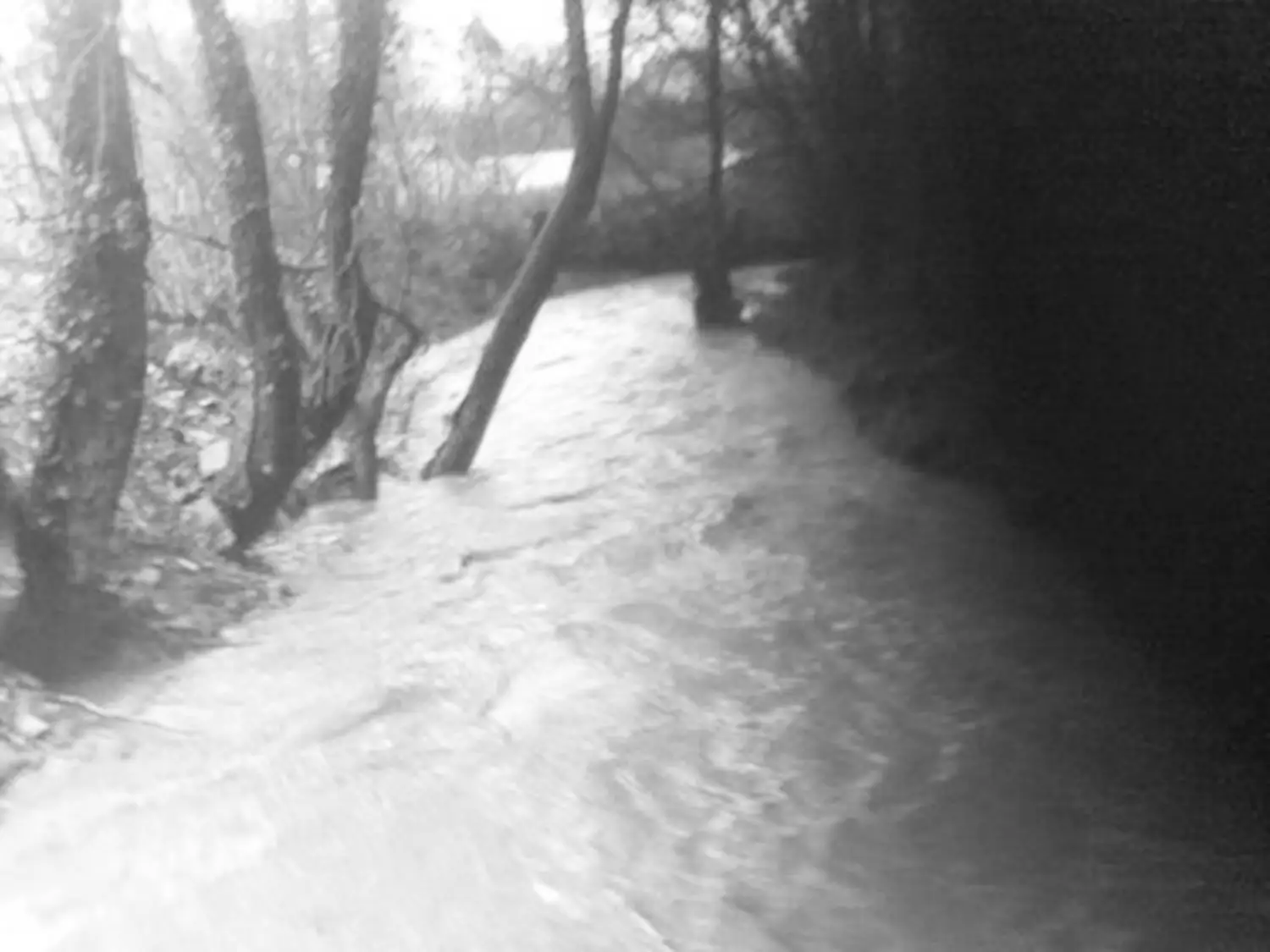
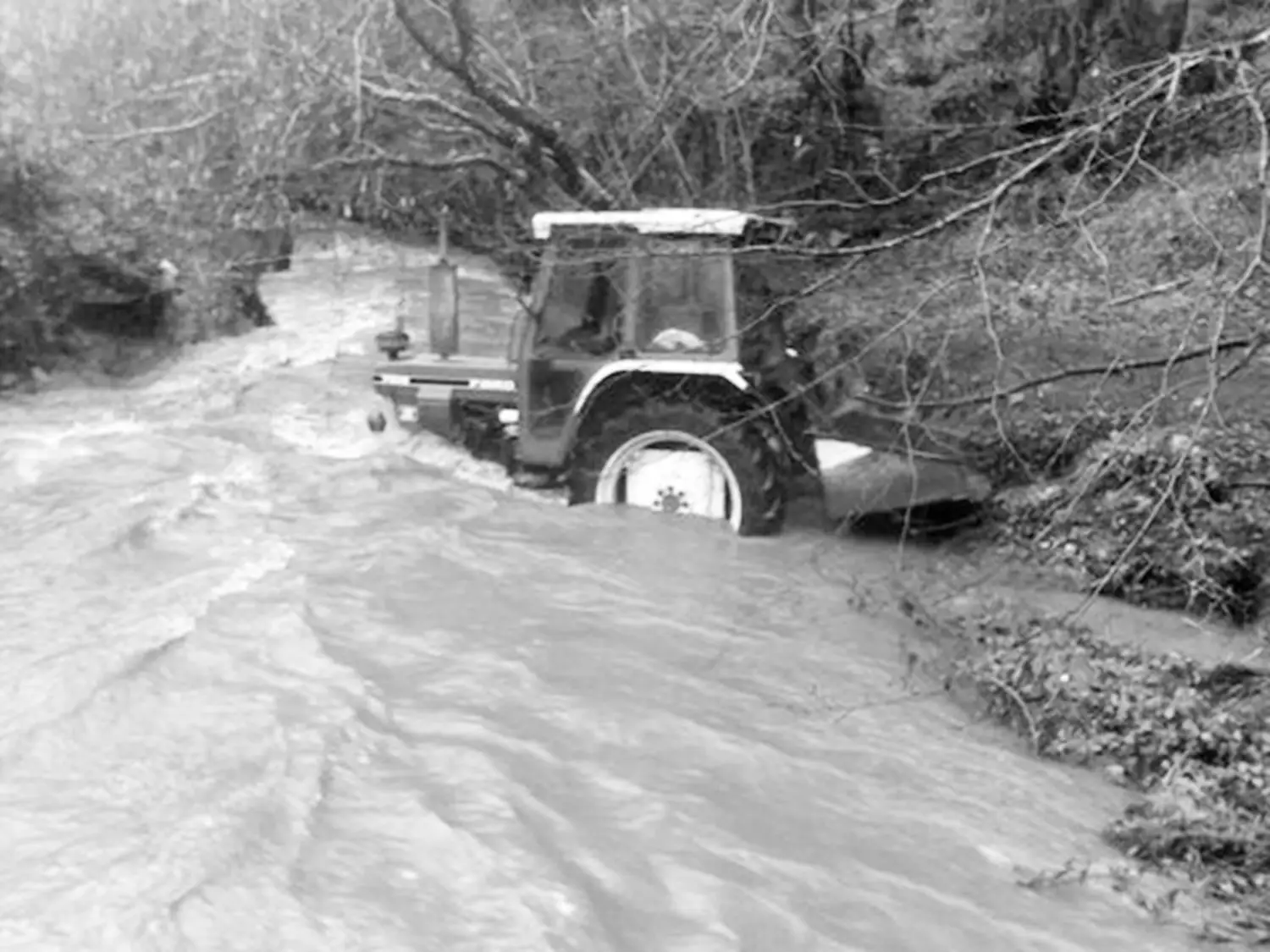
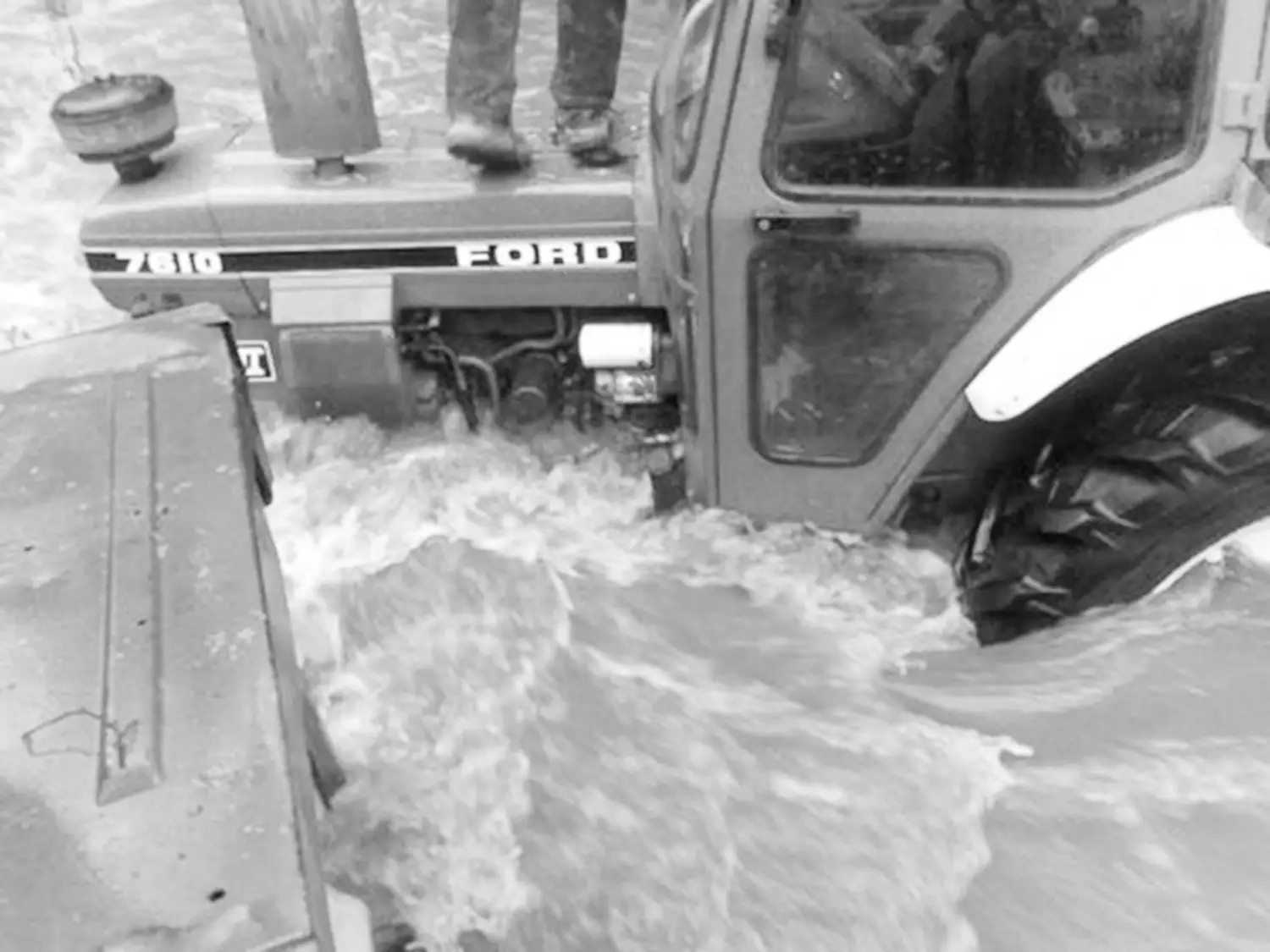
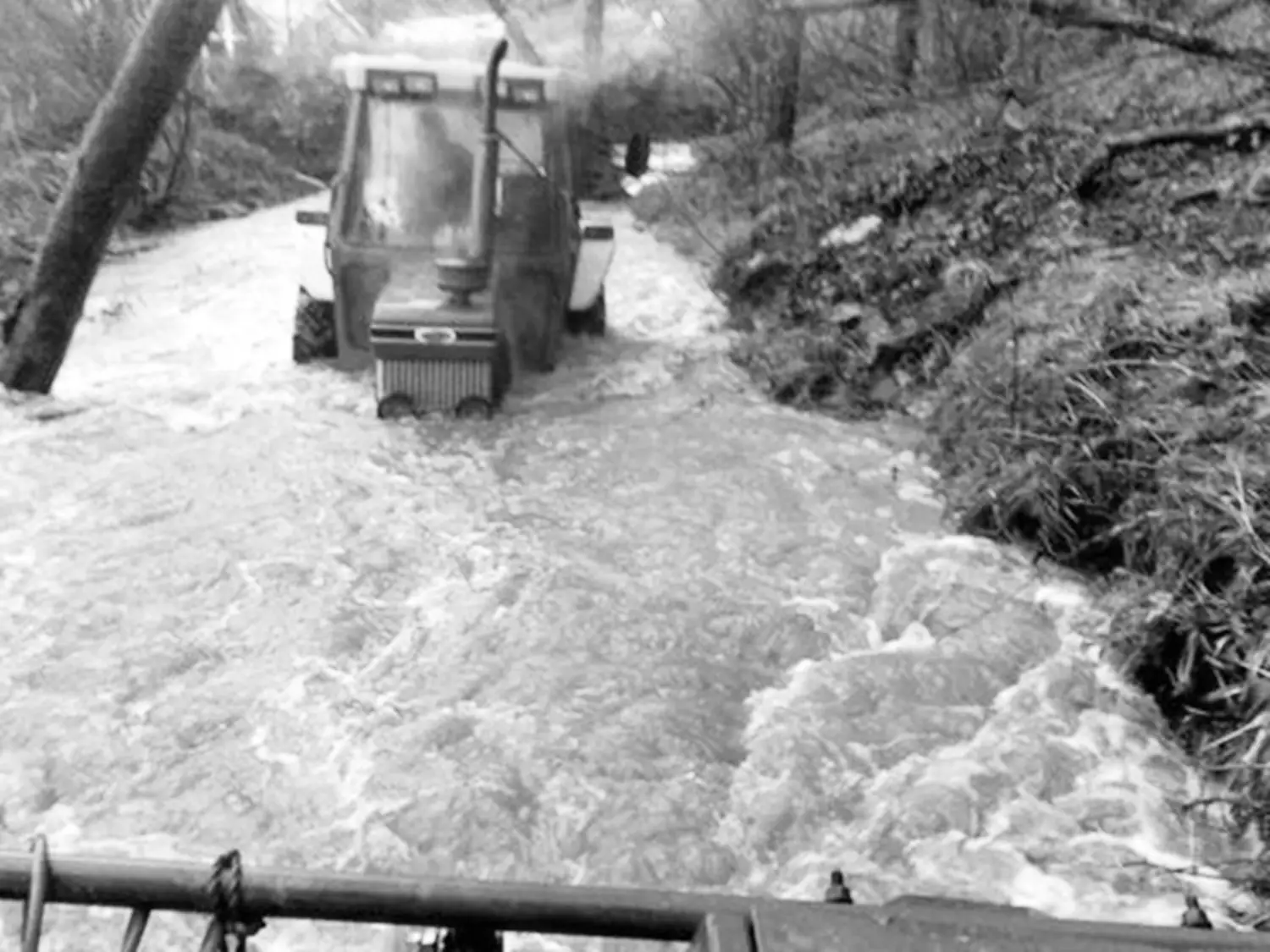
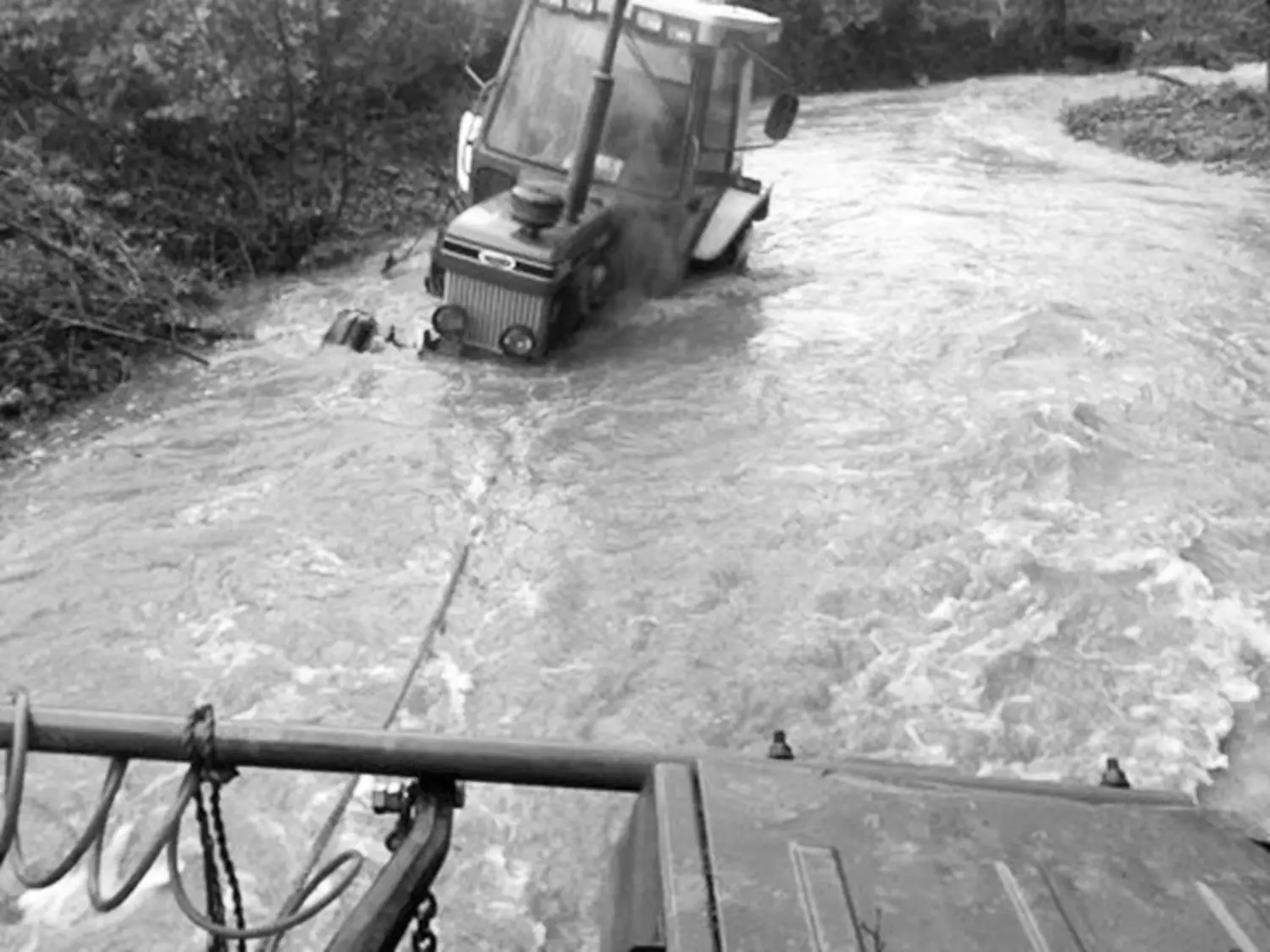
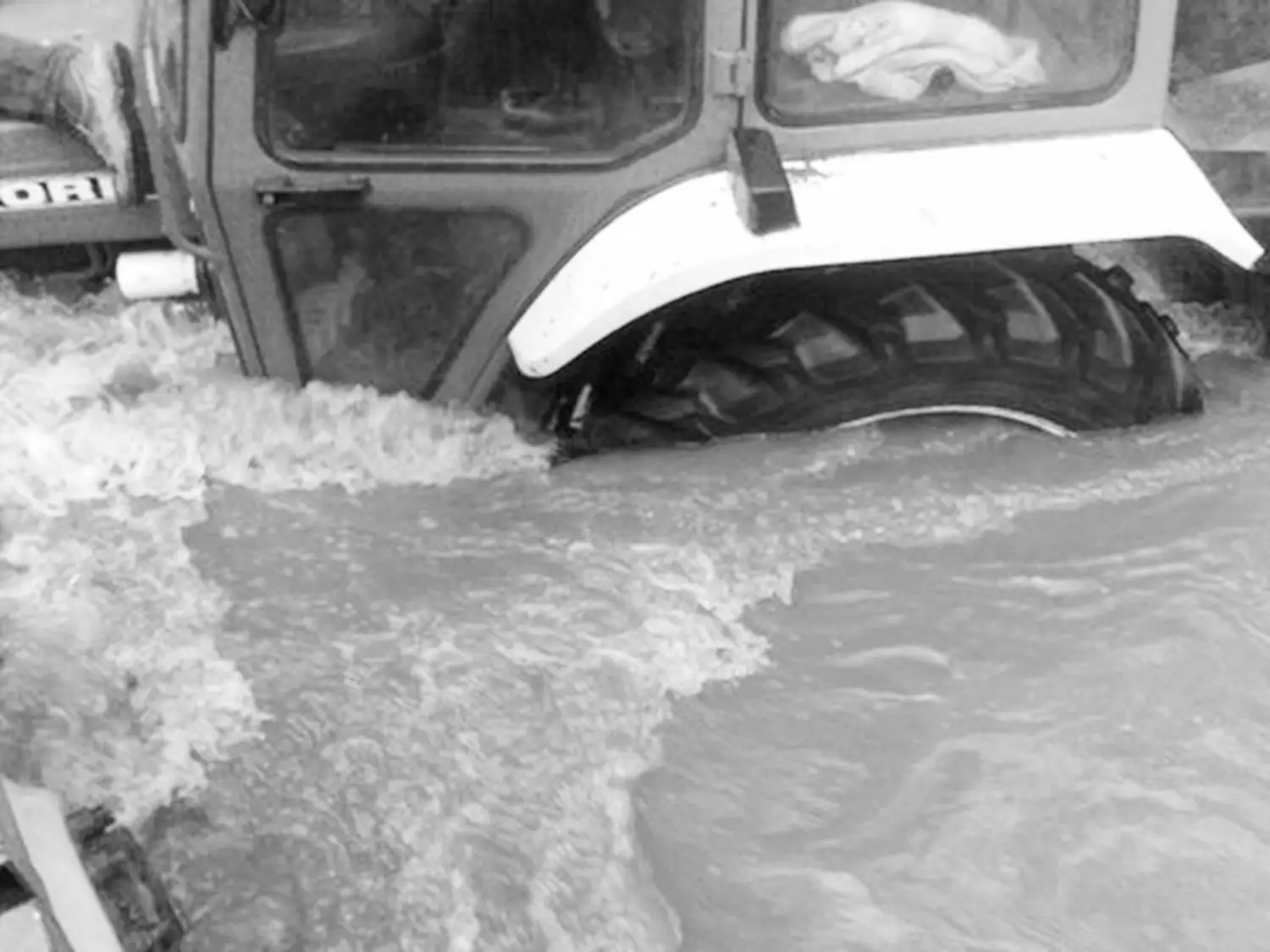
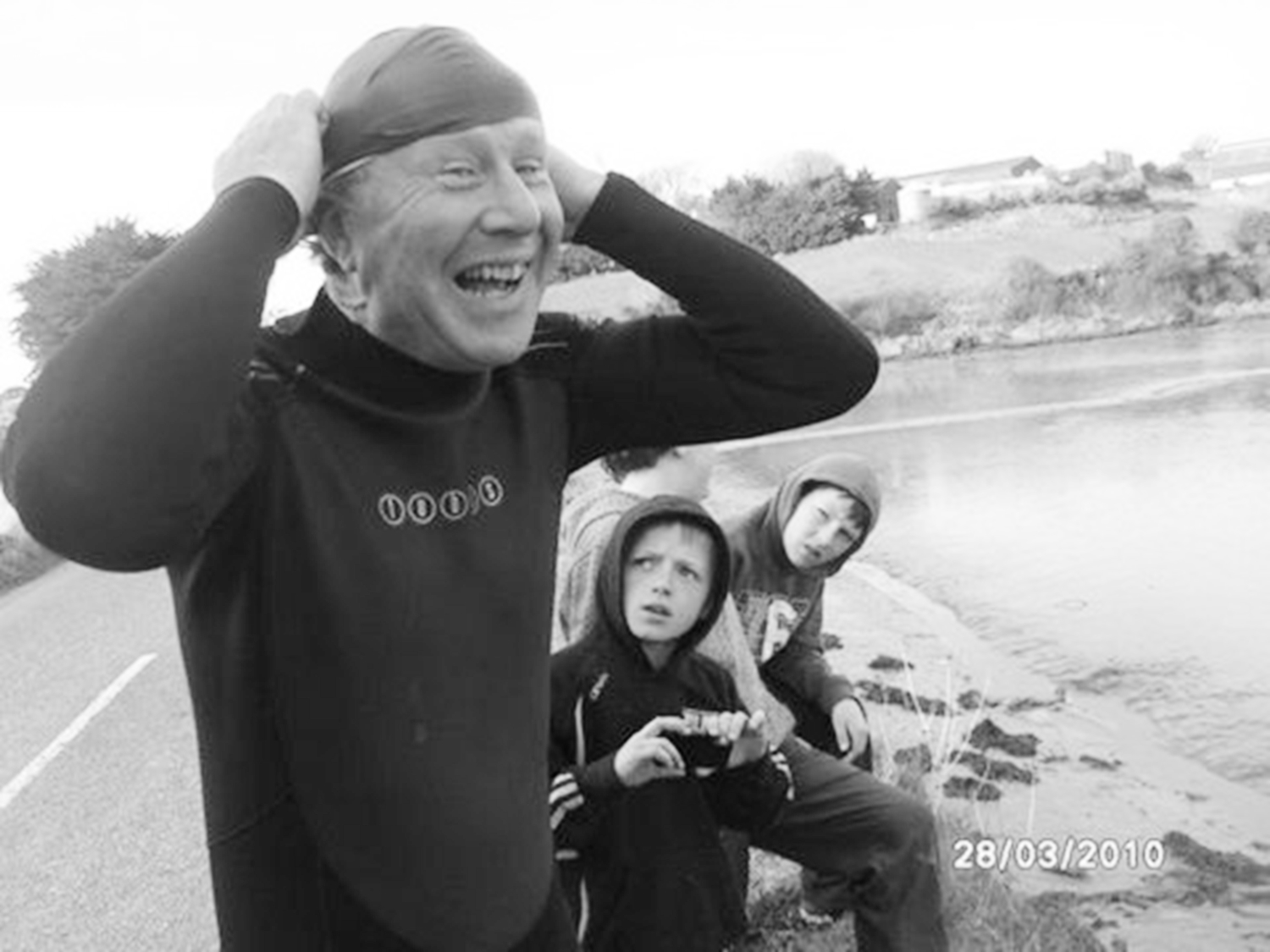
It worked. Over several months, the bones were gradually cleaned by nature itself. But then the weather changed. Heavy rainfall caused the river to rise sharply. Suddenly, there was a real risk: the bones could be swept away and lost forever to the sea.
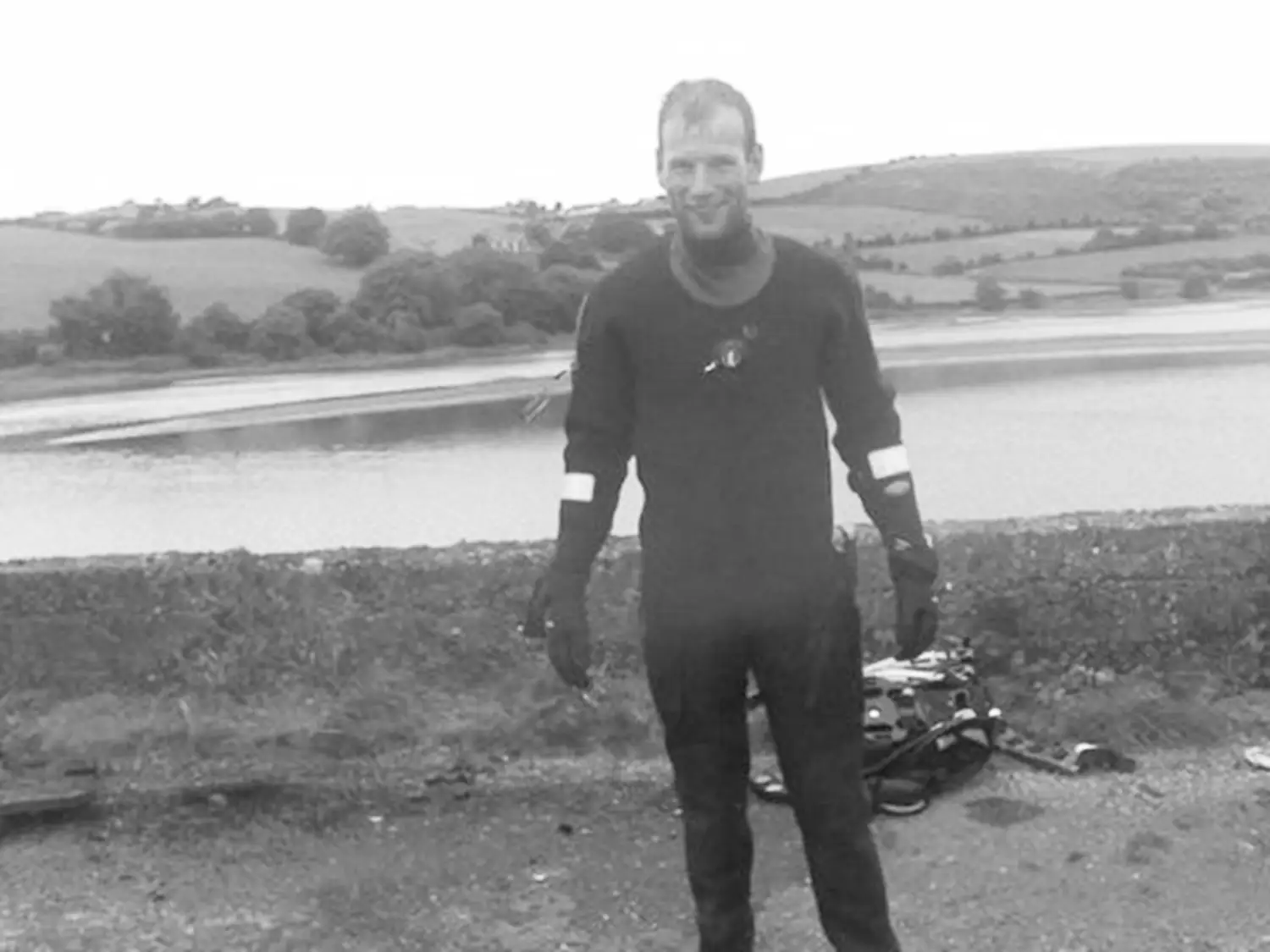
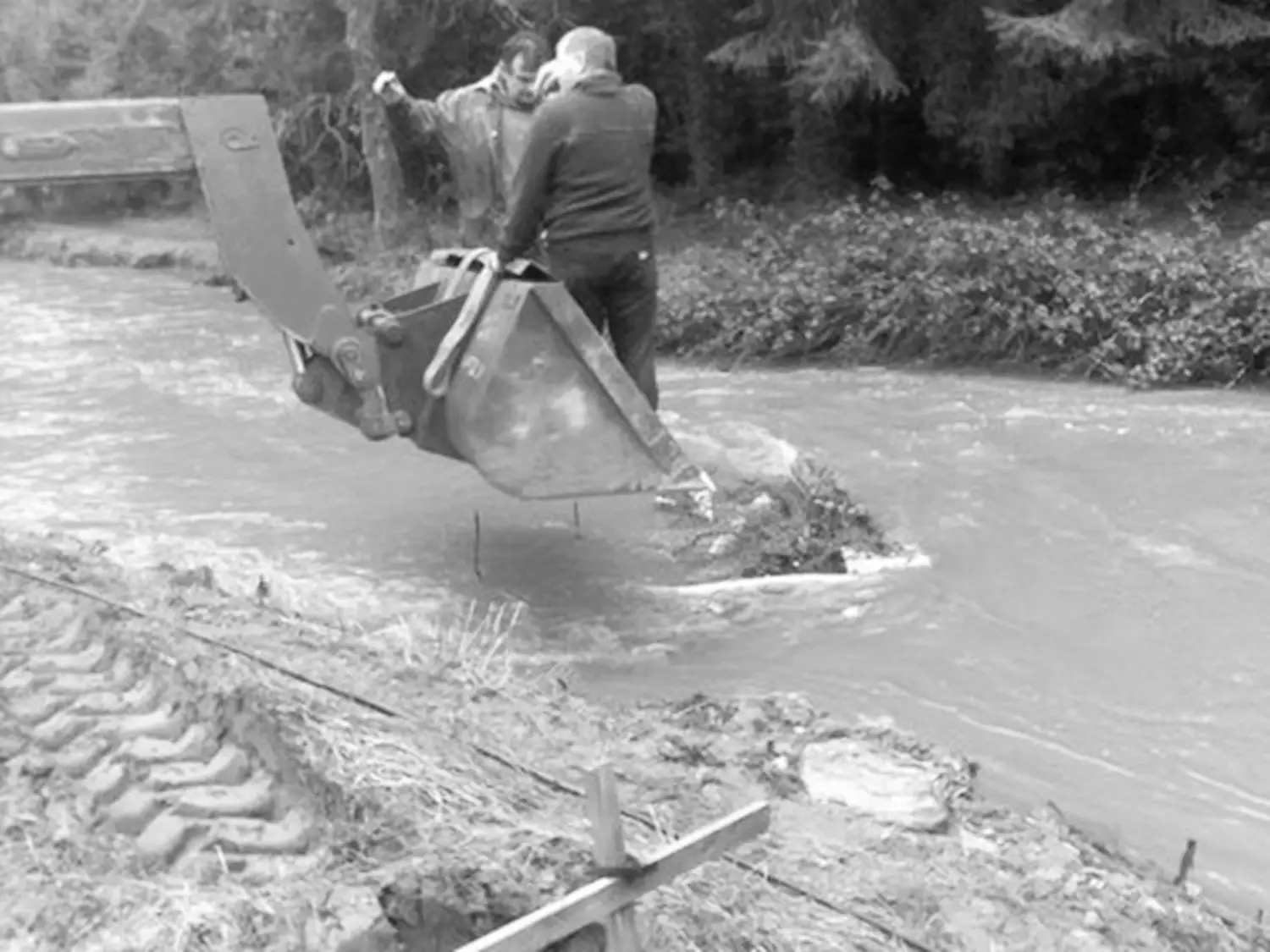
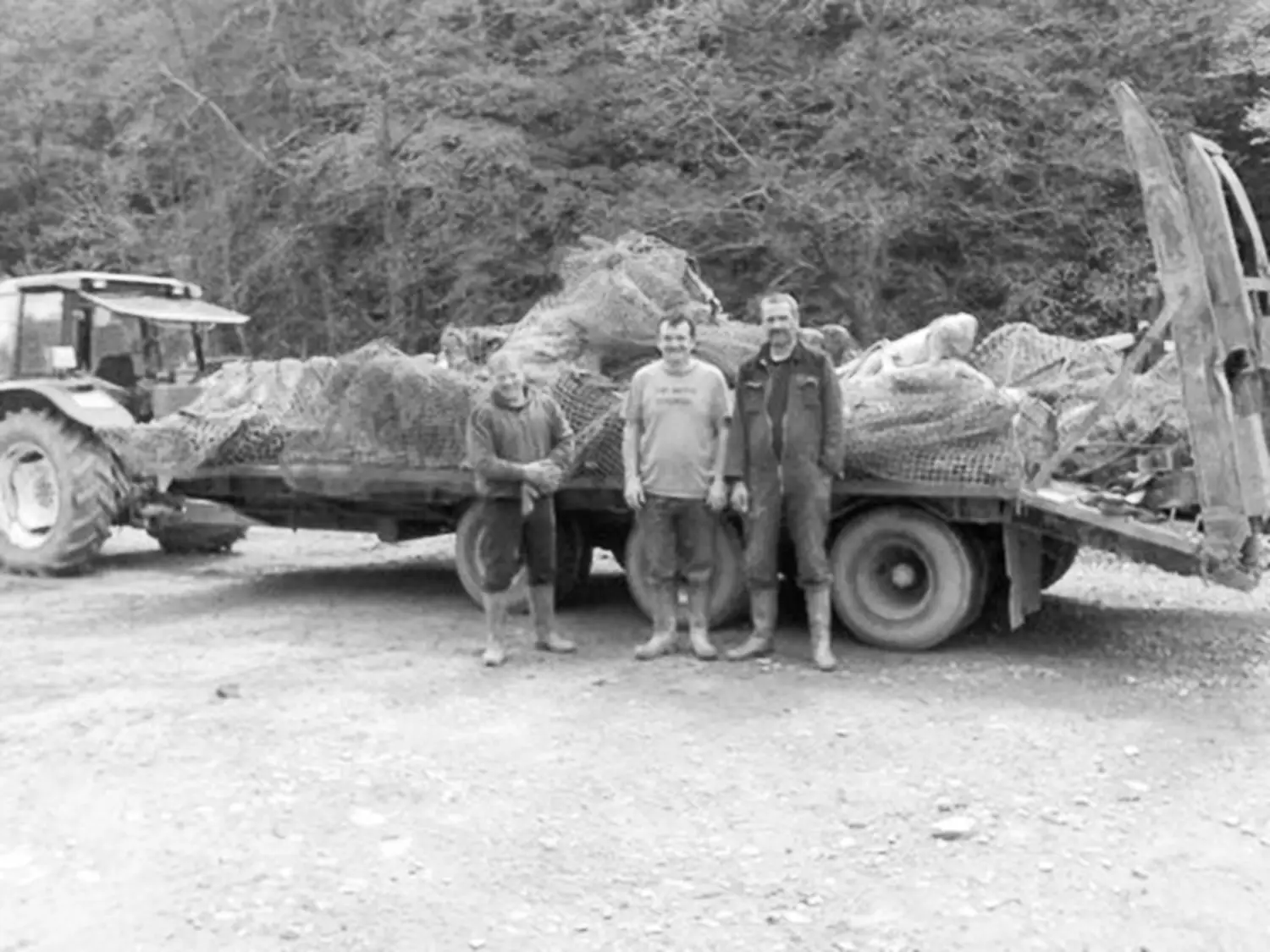
The community didn’t hesitate. Volunteers rushed into action, wading into fast-flowing, muddy waters to retrieve the precious remains. People like Kevin Madden and Joe Swanton, along with countless others, worked tirelessly to recover and secure each bone — one by one.
What had started as a clever solution became a race against nature. And once again, local heart and determination won.
Because a creature of this size deserves more than a memory.
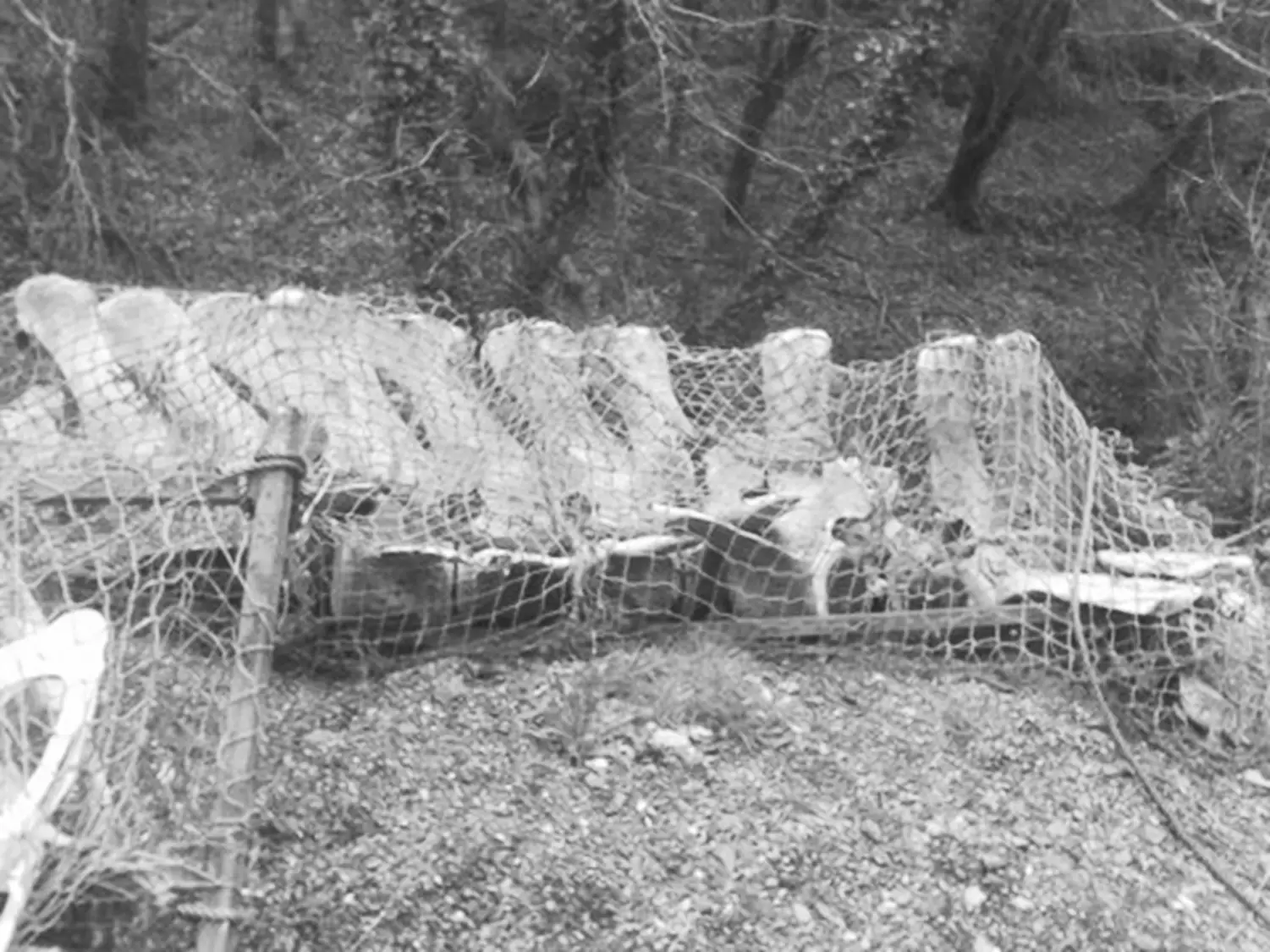
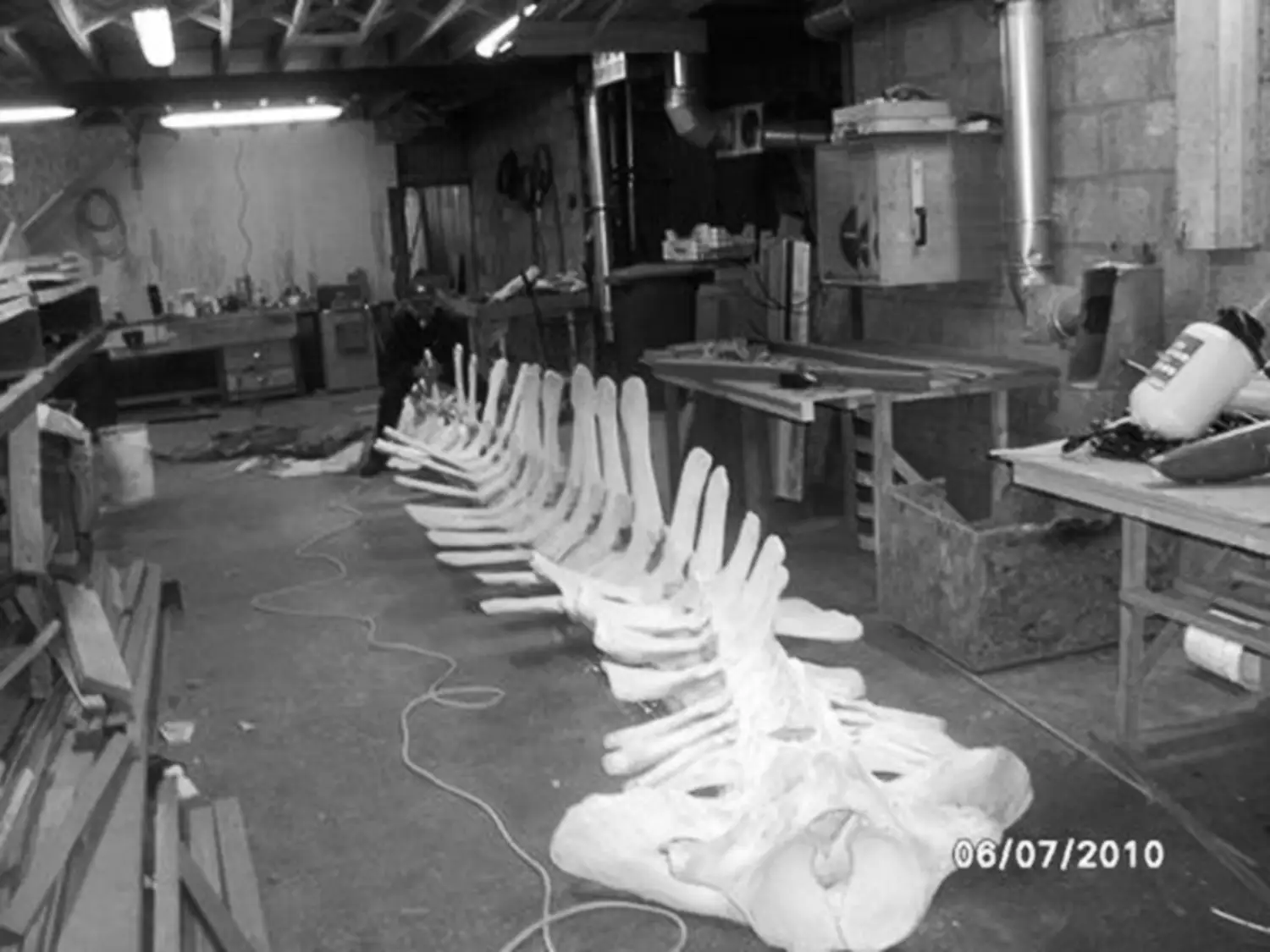
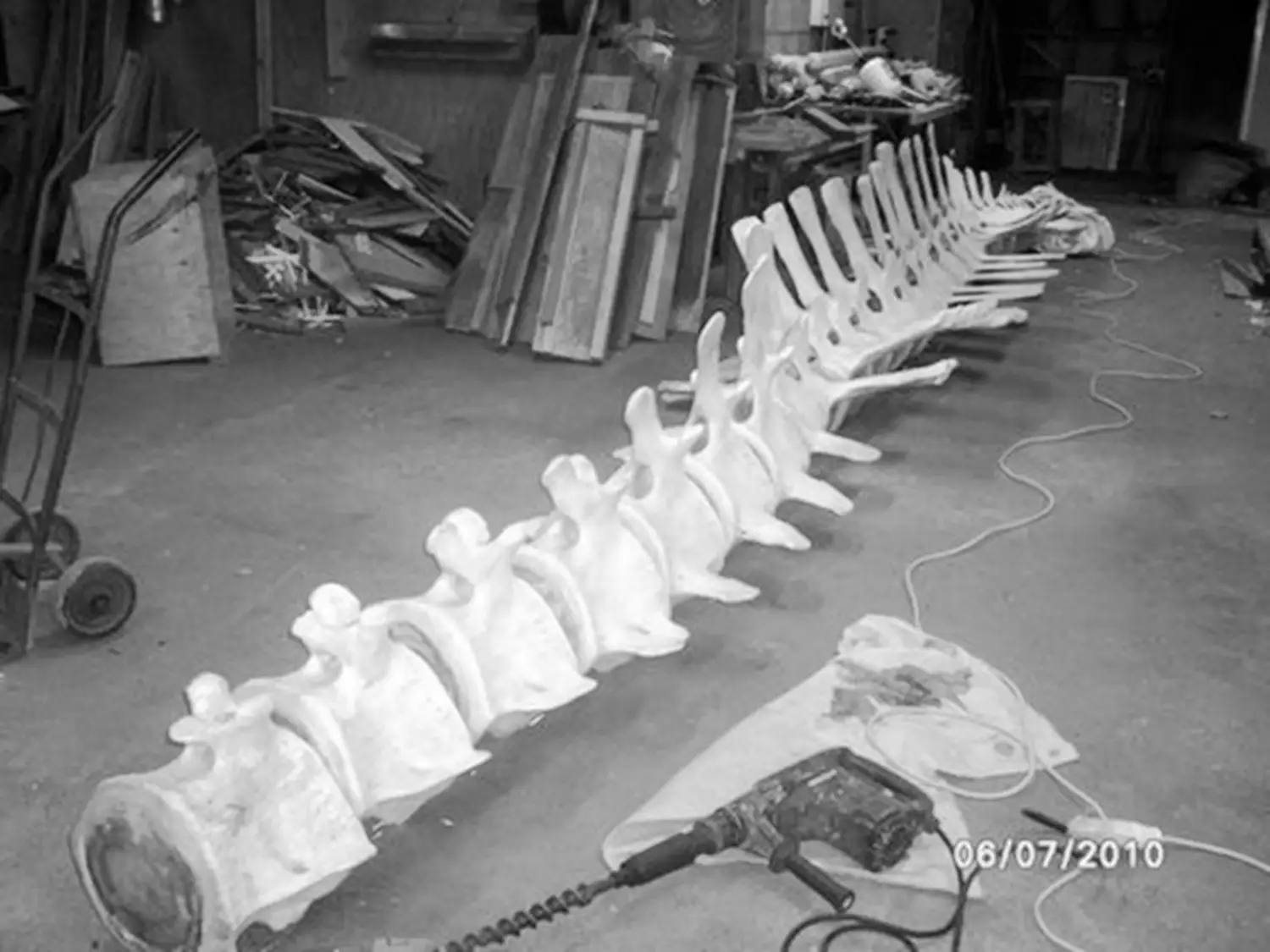
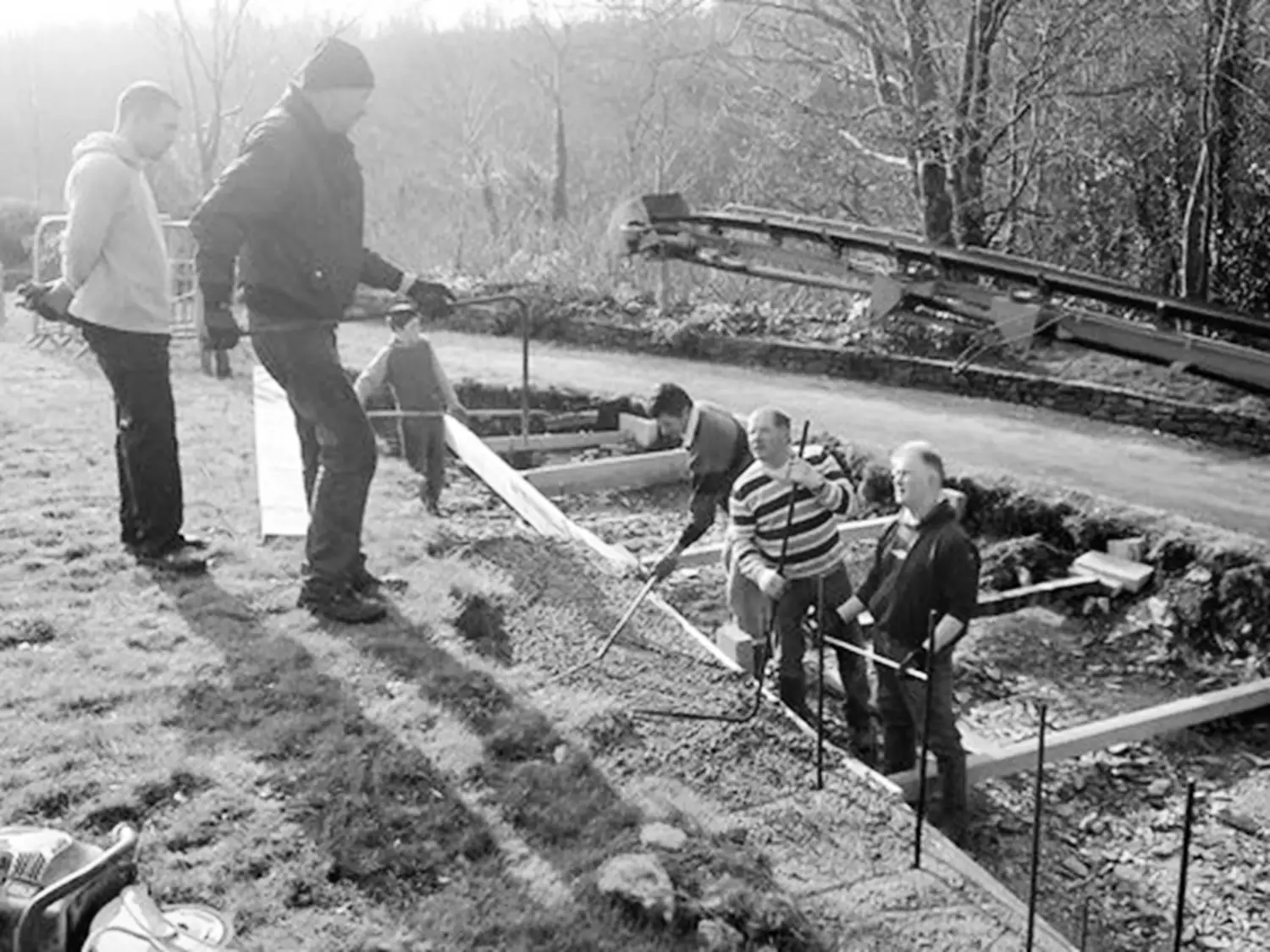
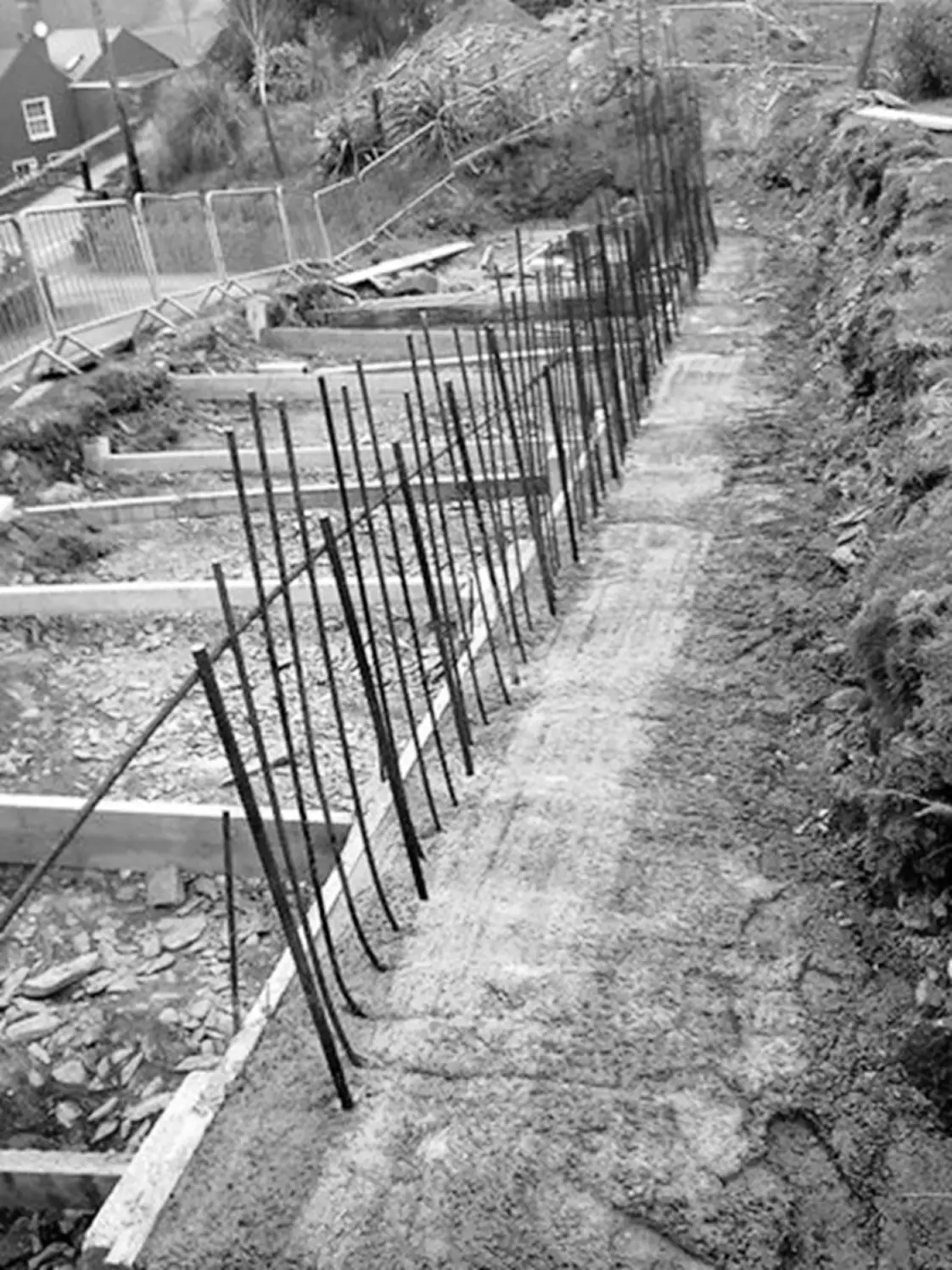
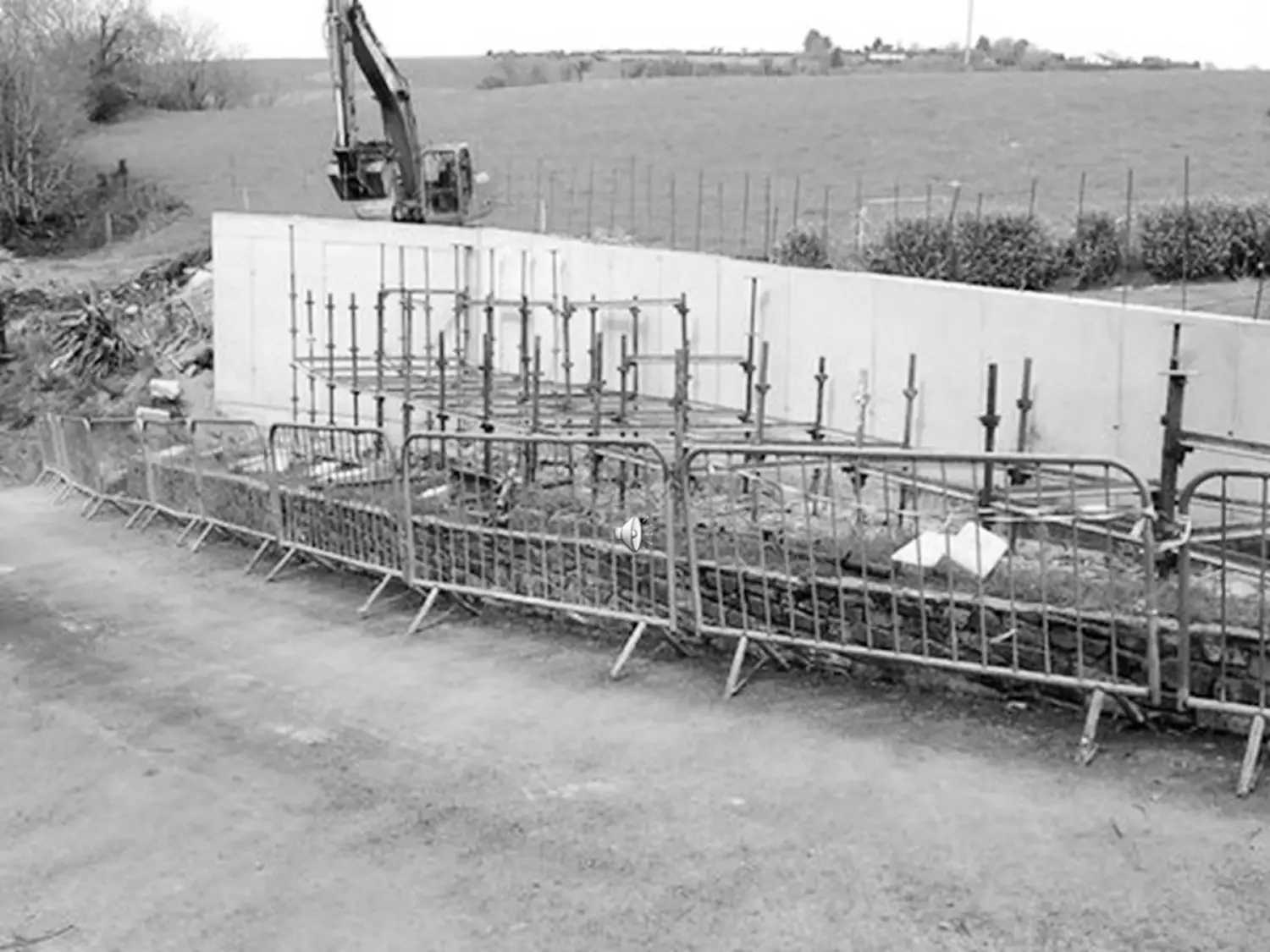
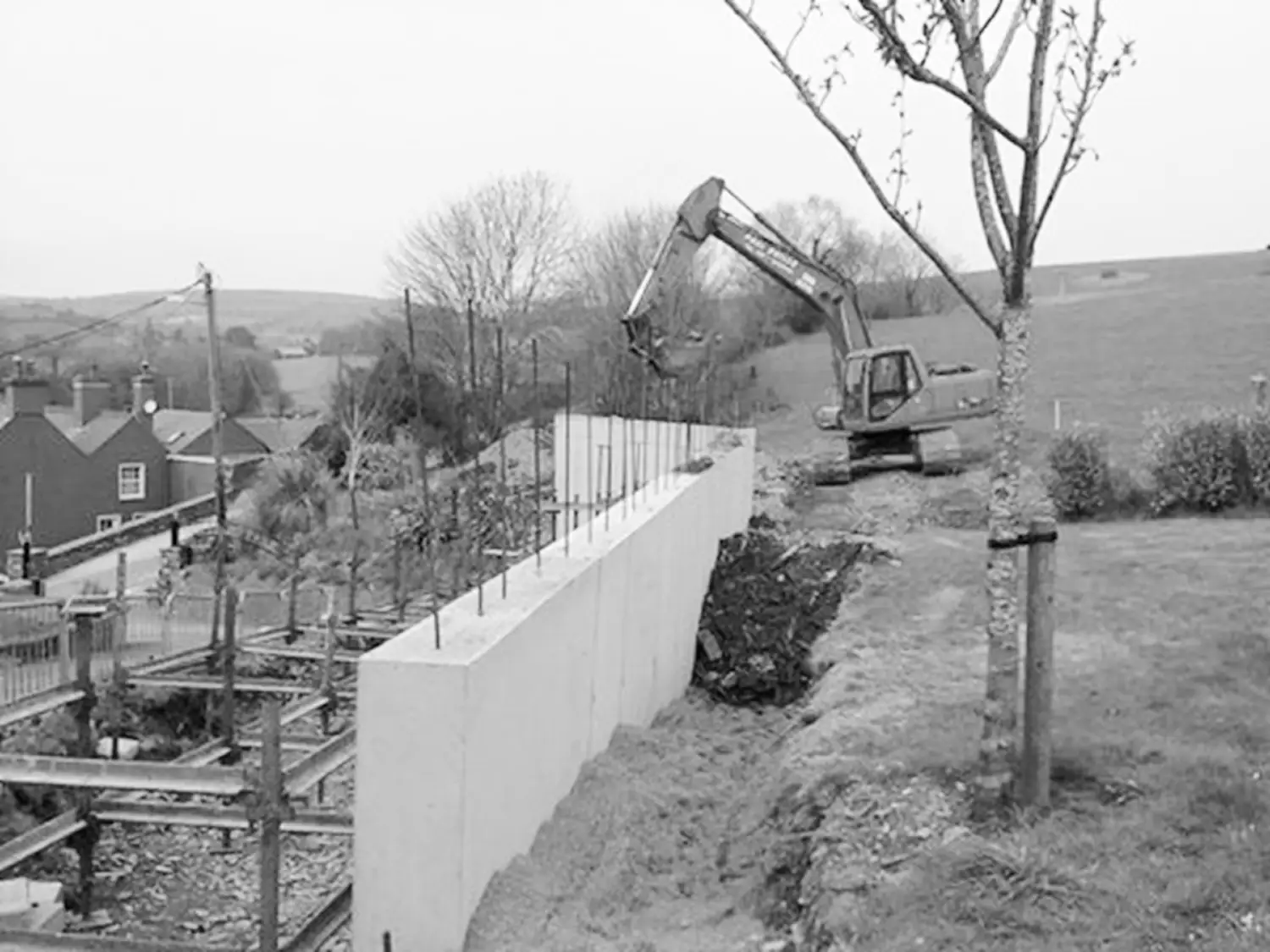
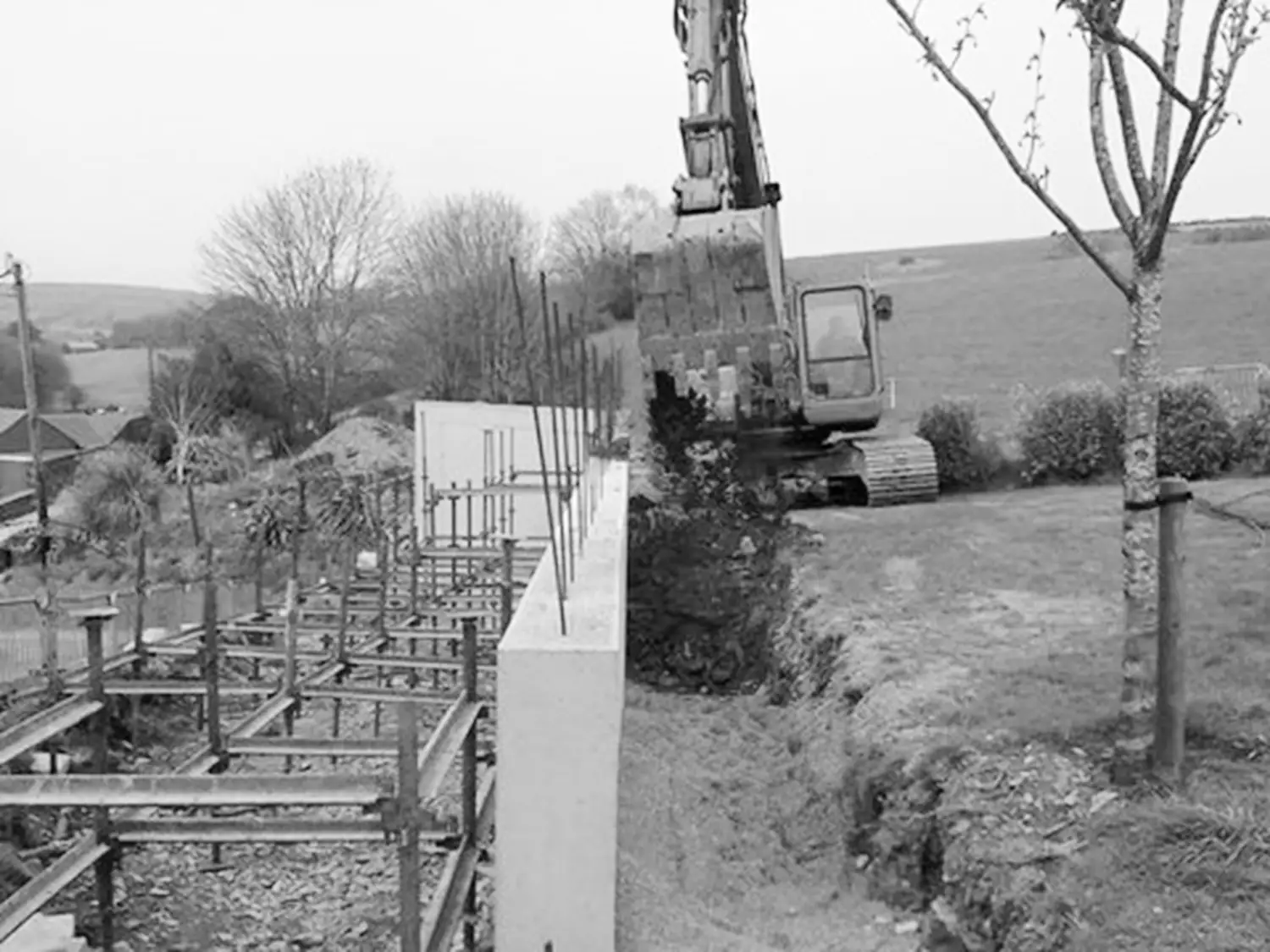
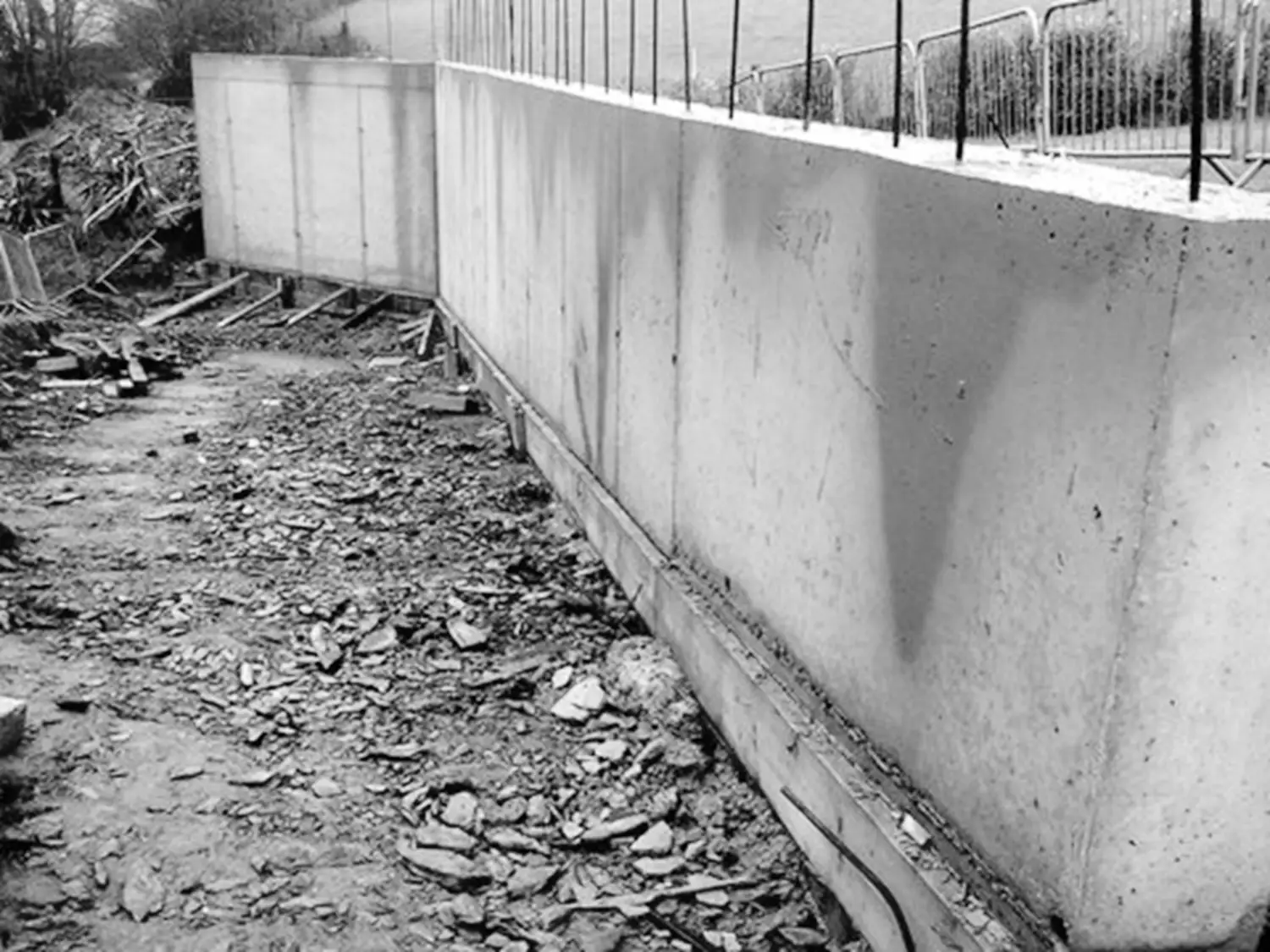
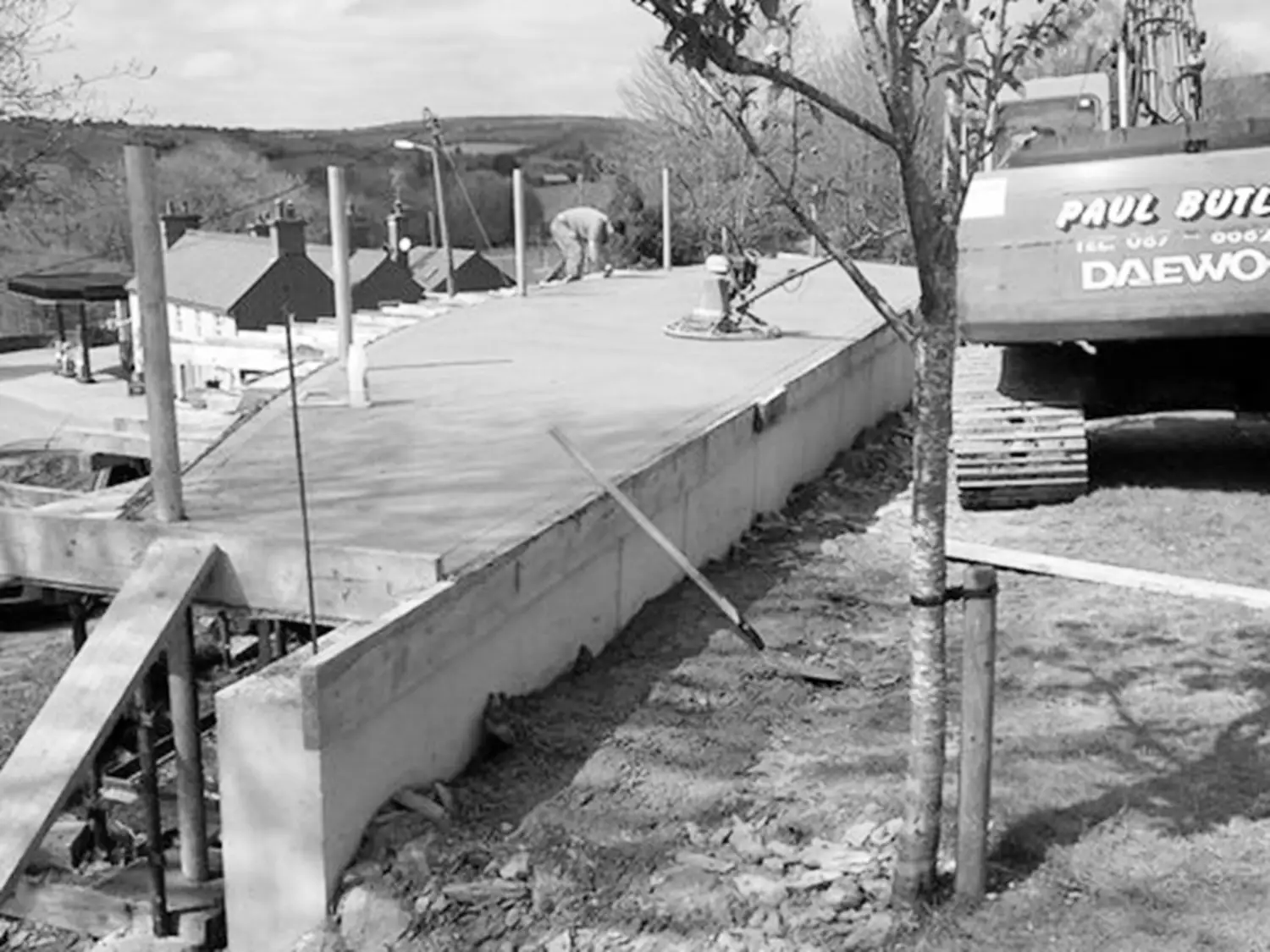
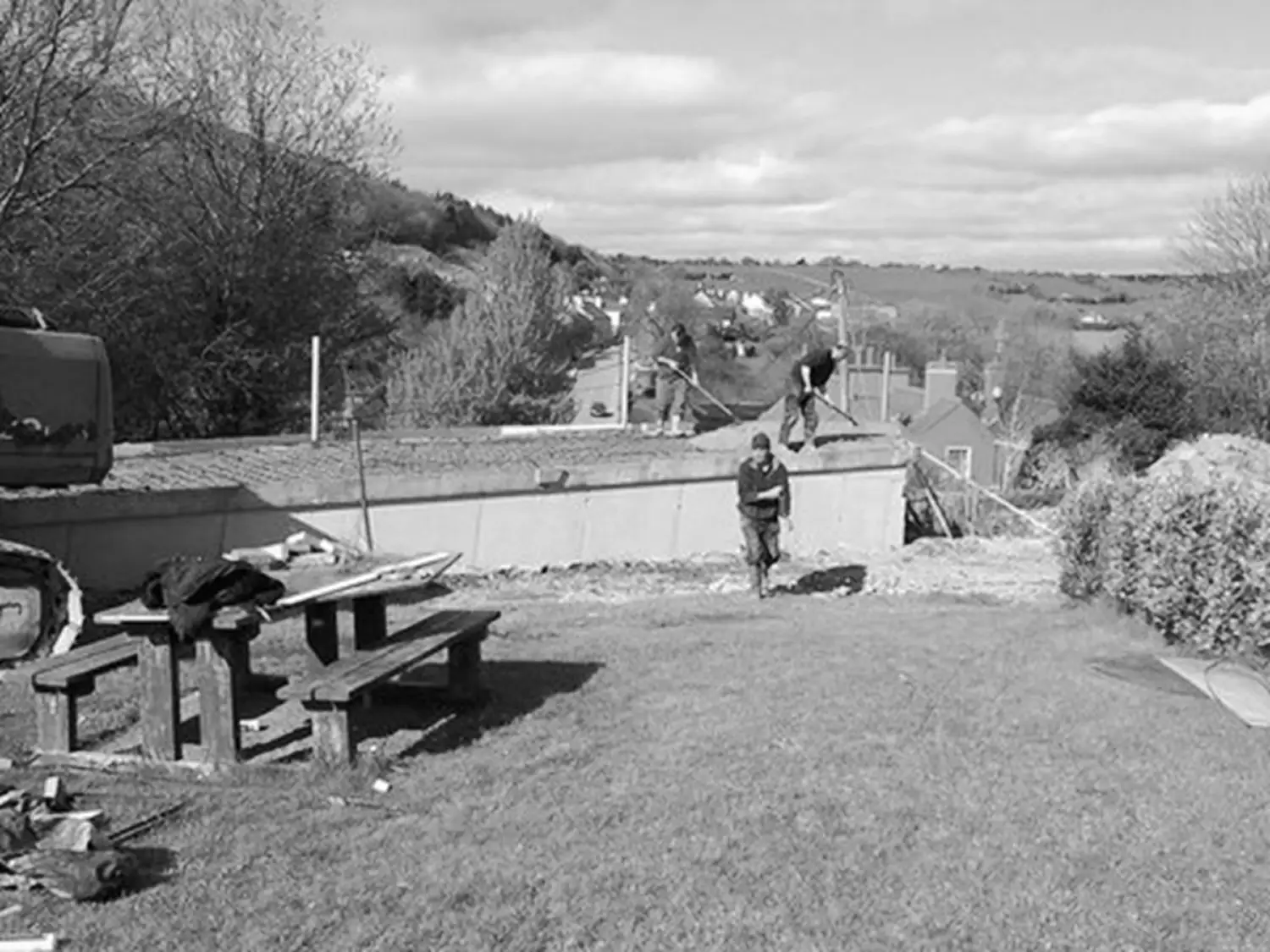
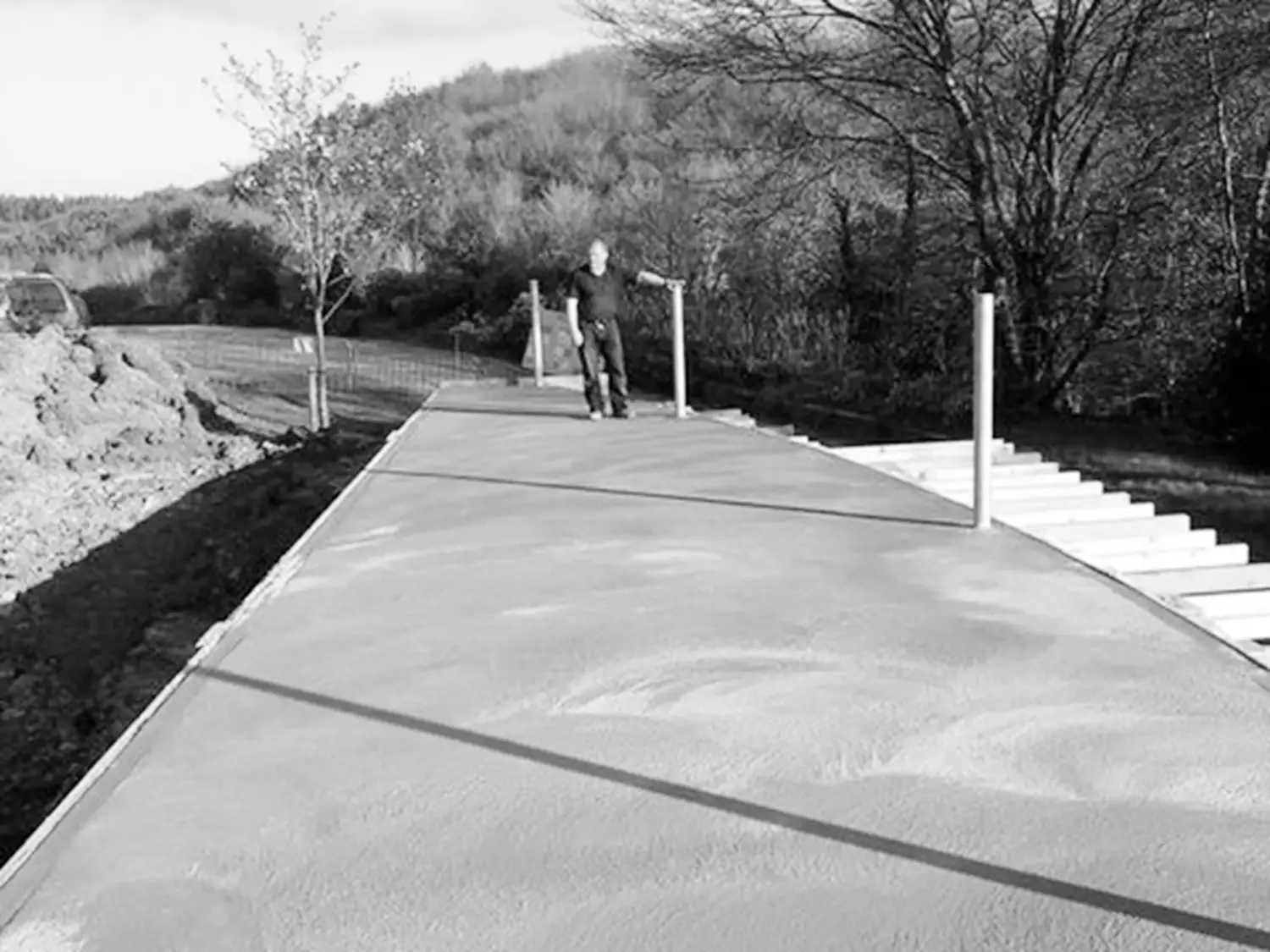
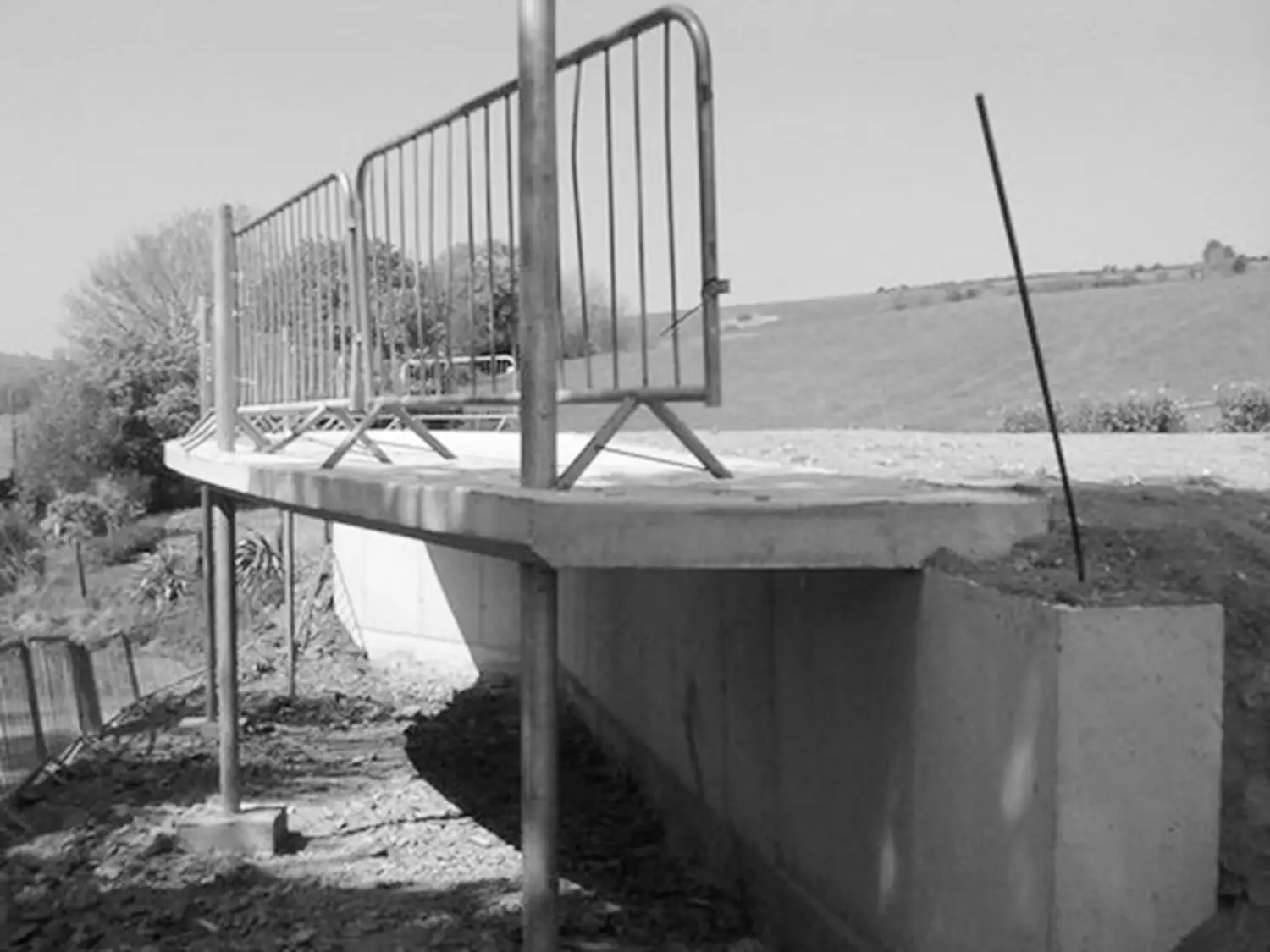
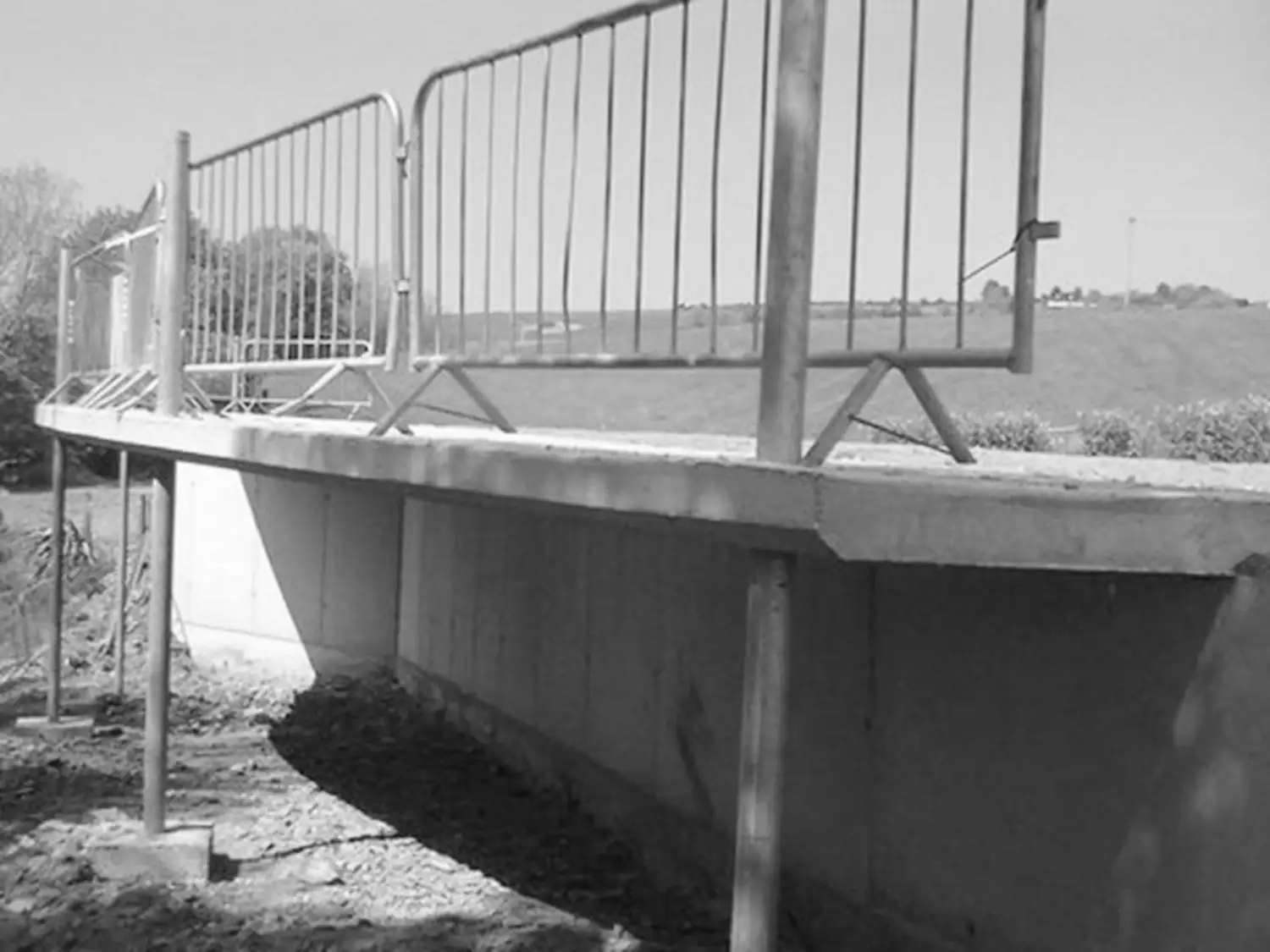
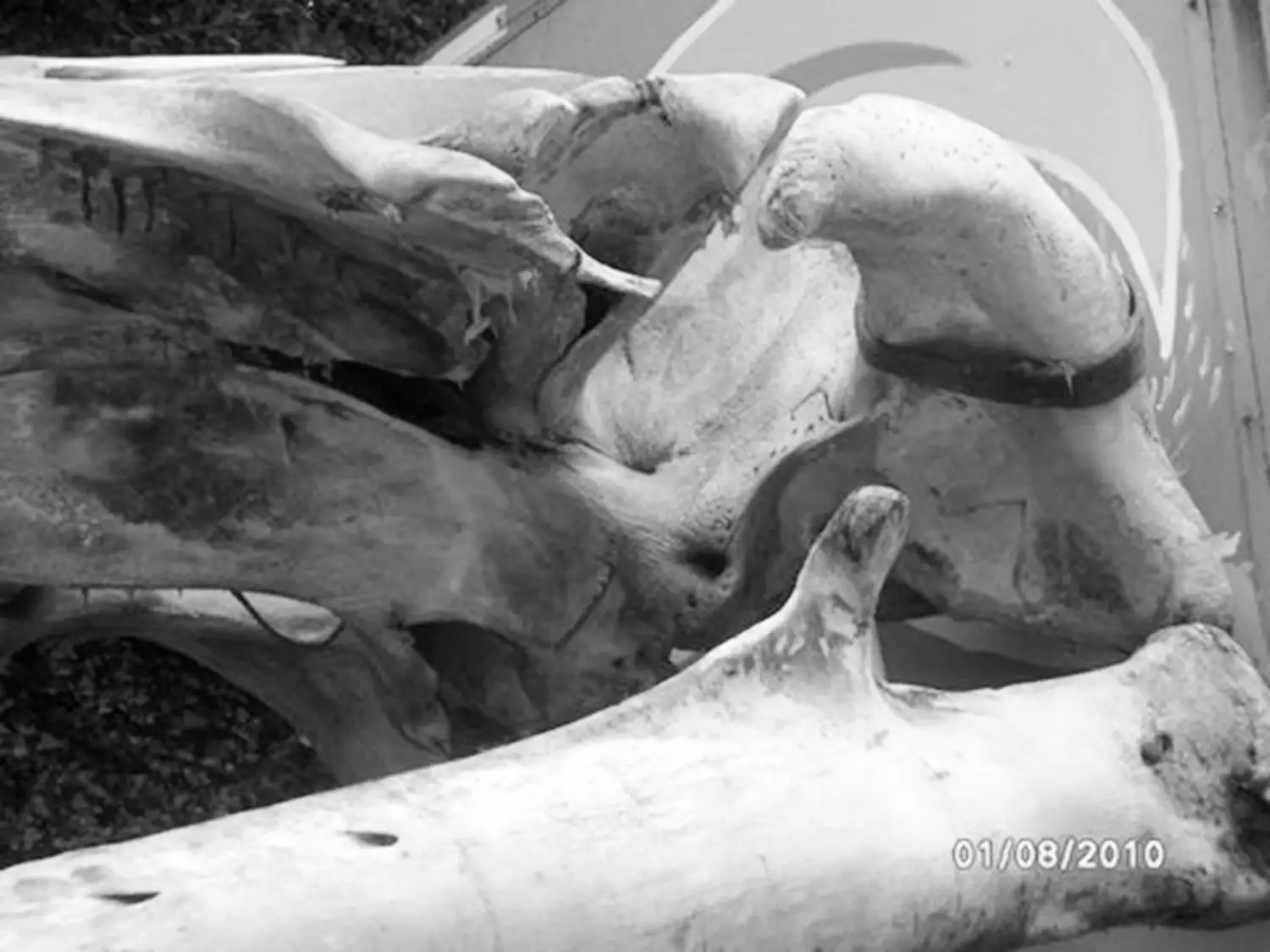
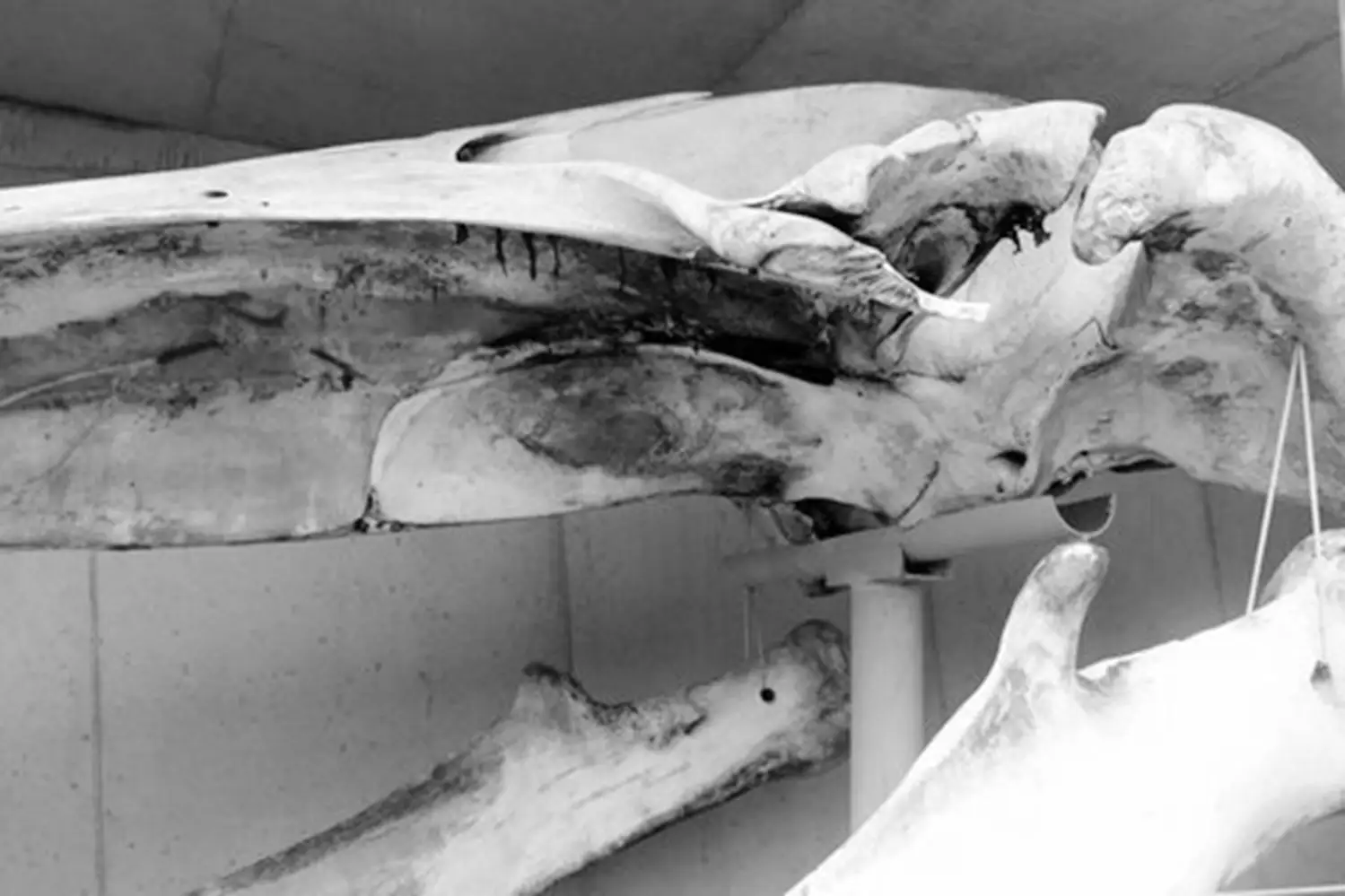
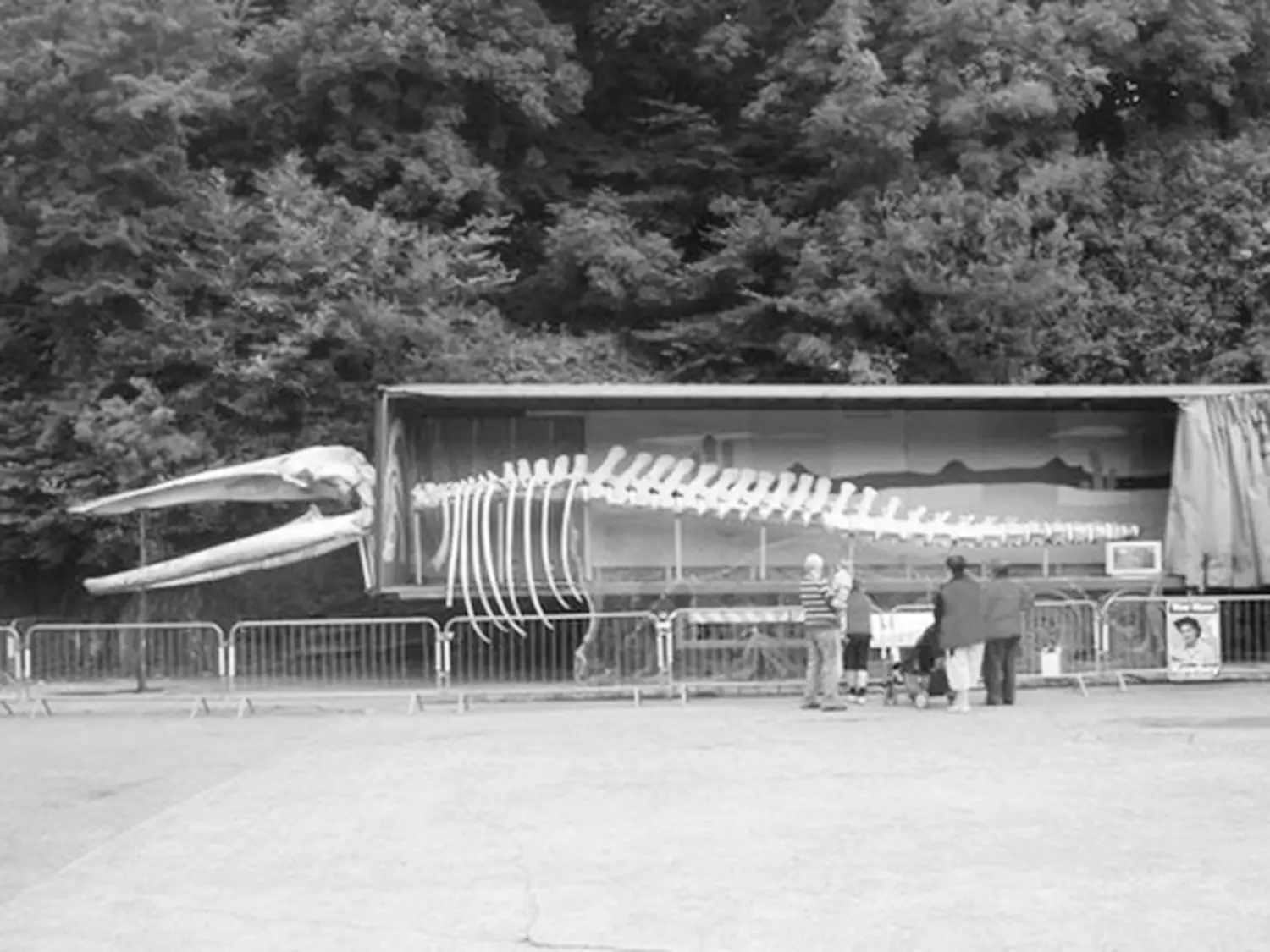
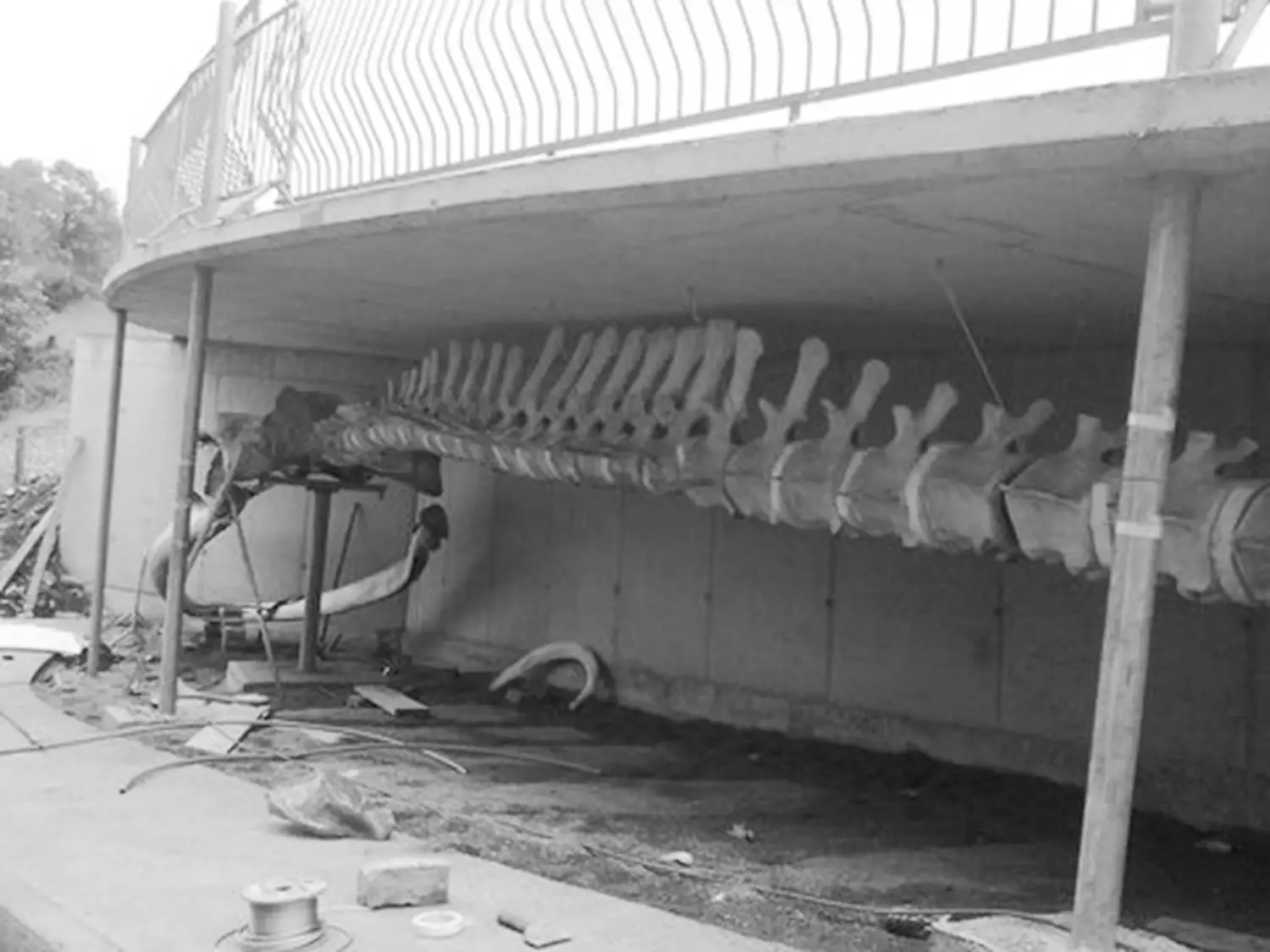
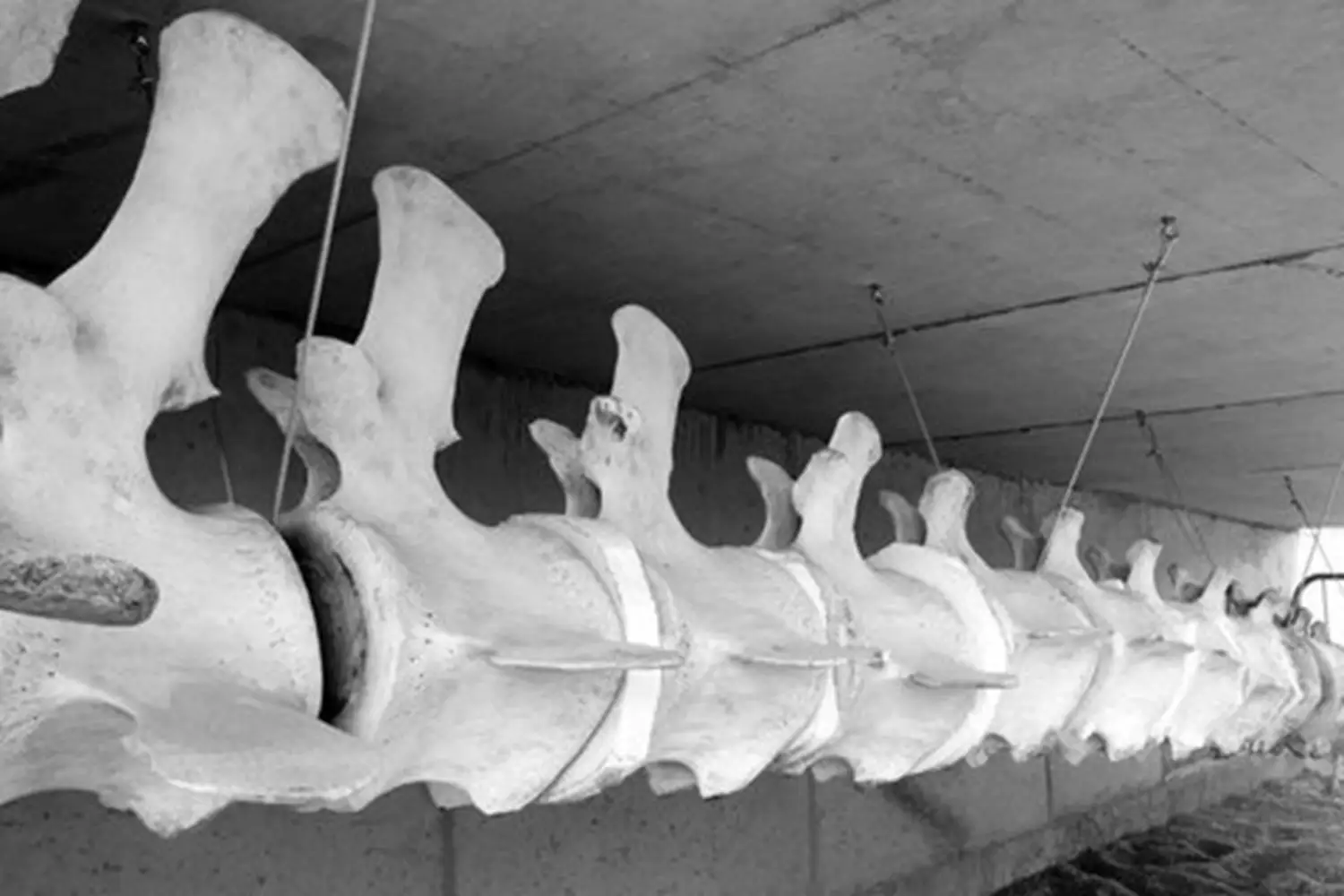
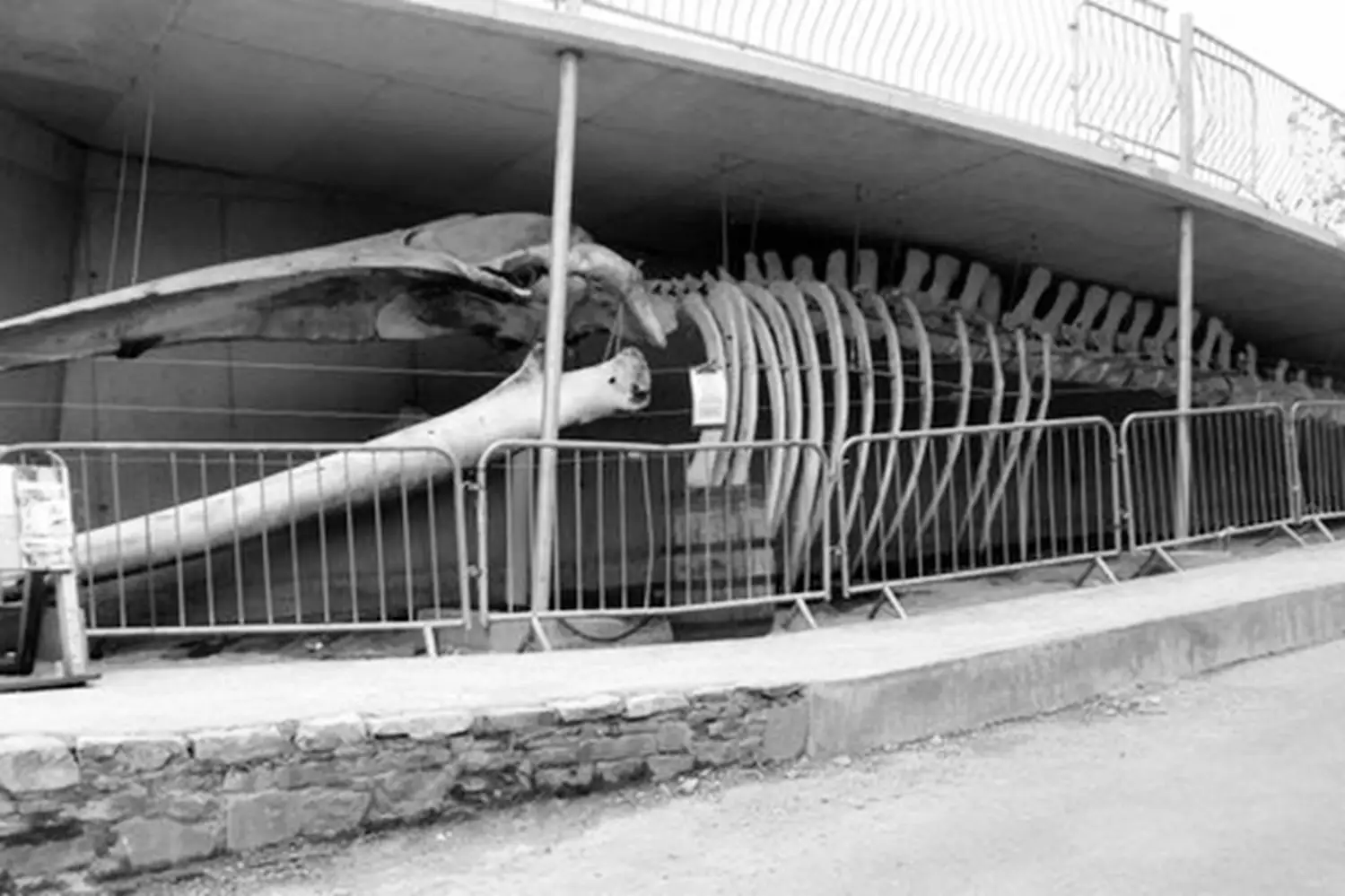
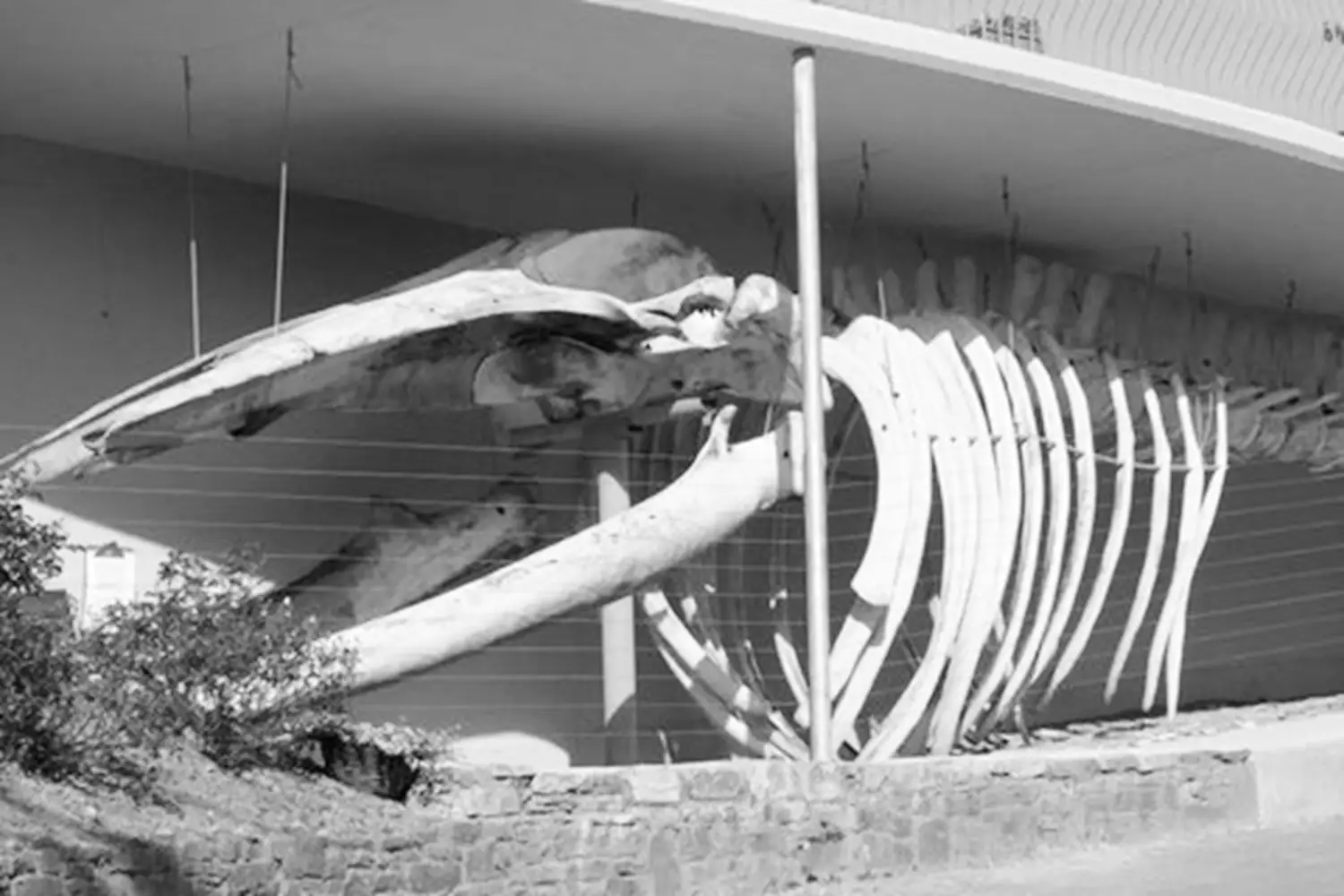
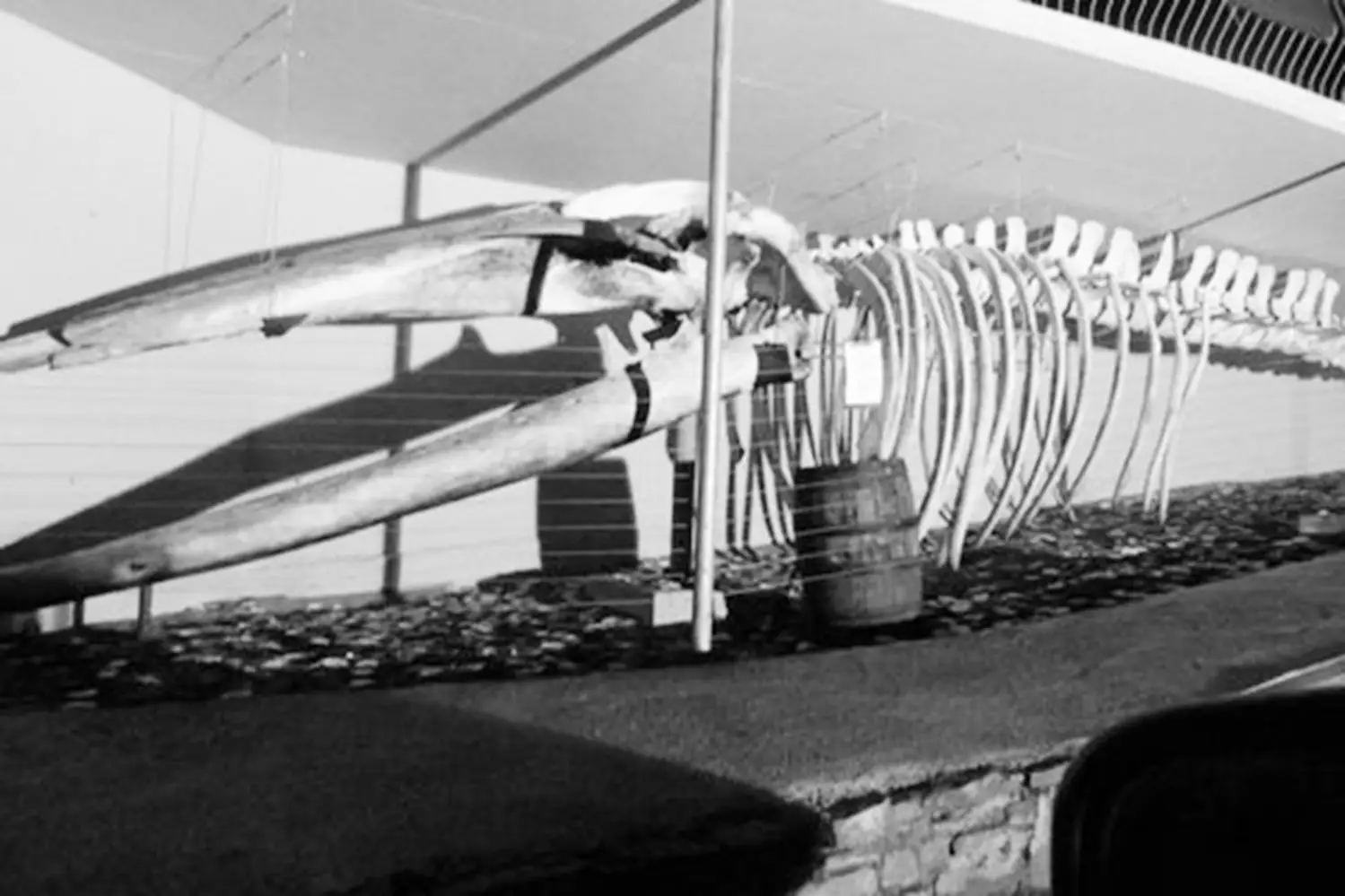
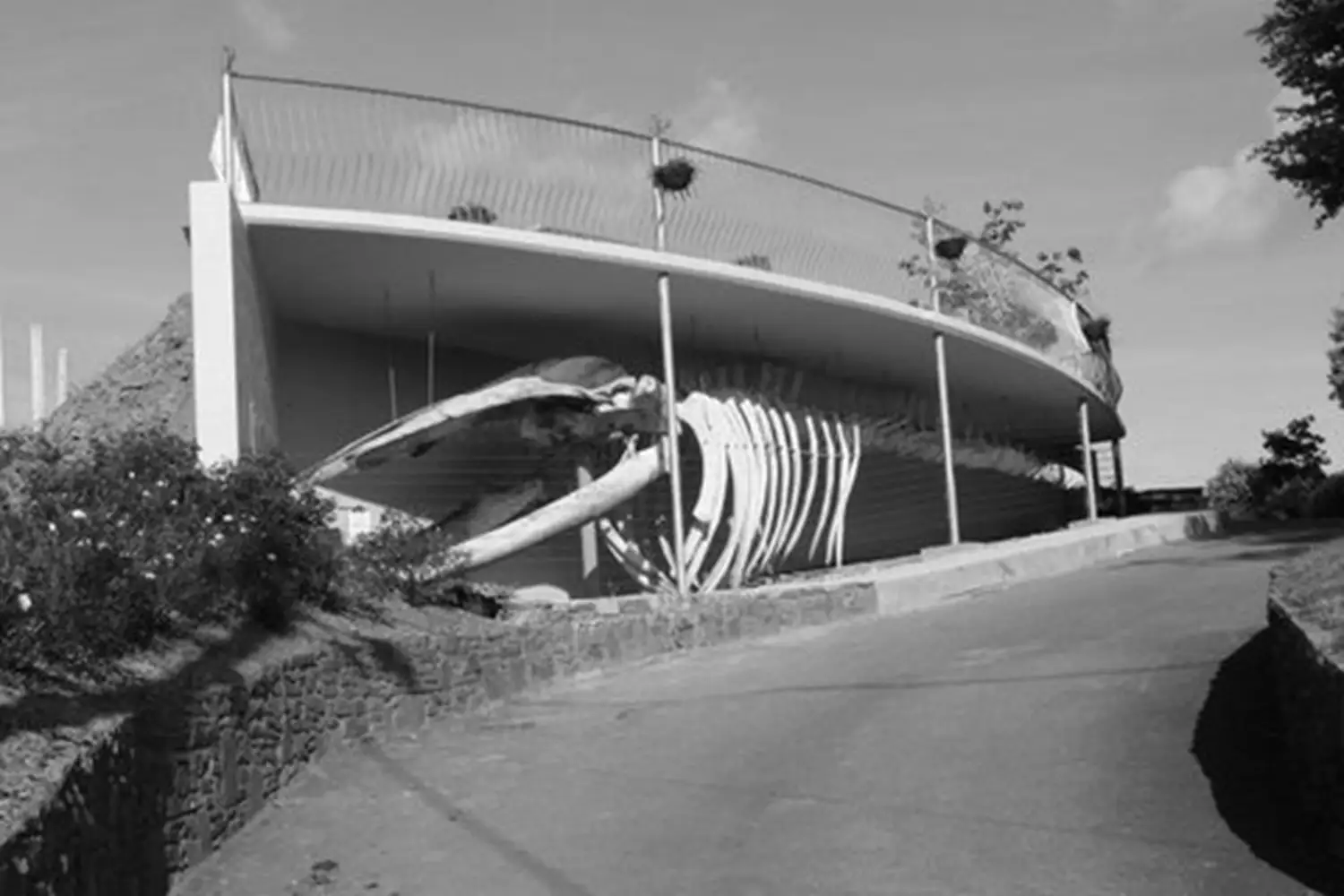
Once the bones were cleaned and preserved, the next challenge was how to display them. The answer was simple in spirit, but ambitious in execution: build a custom structure large enough to honour the scale of the whale.
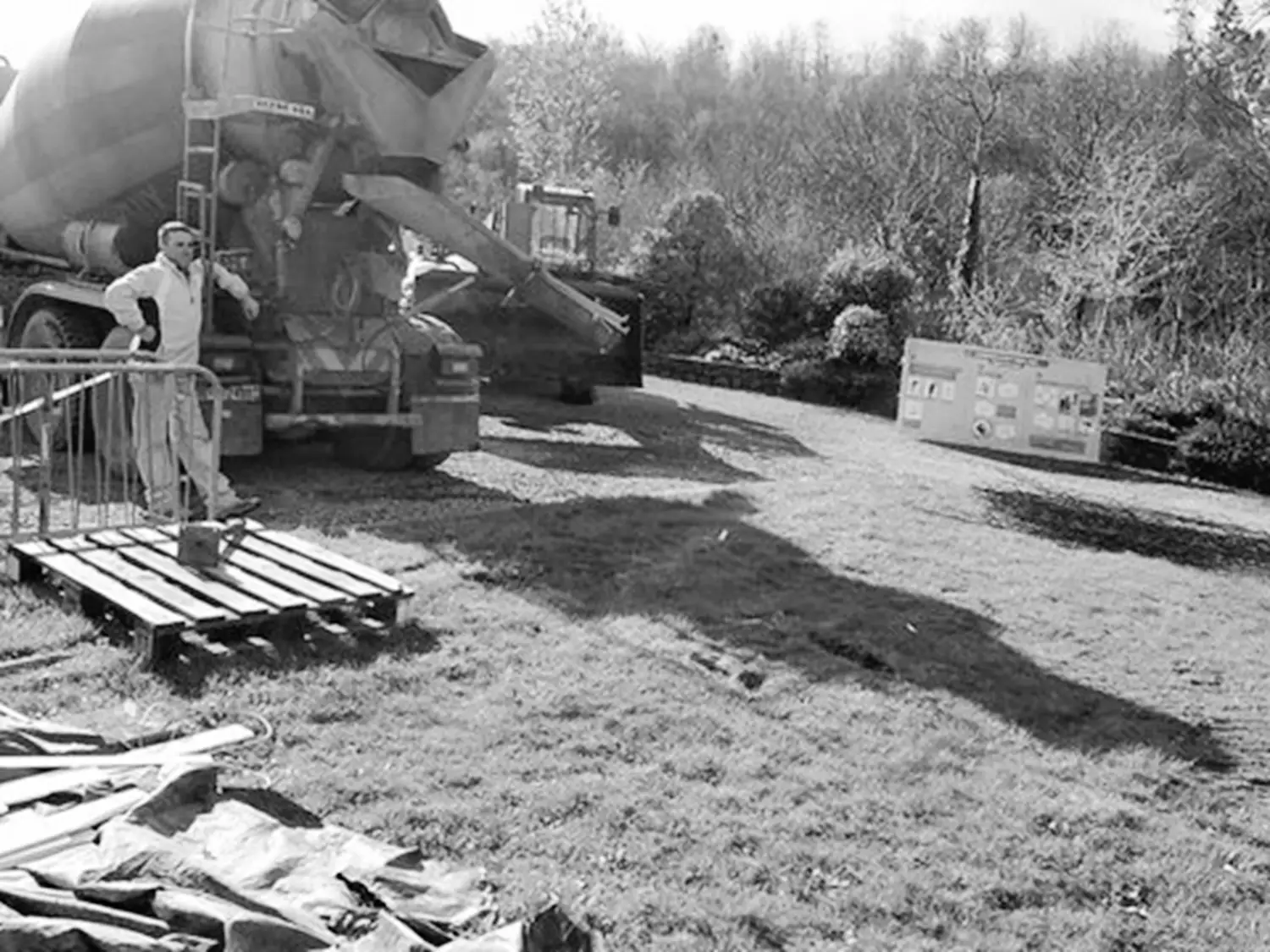
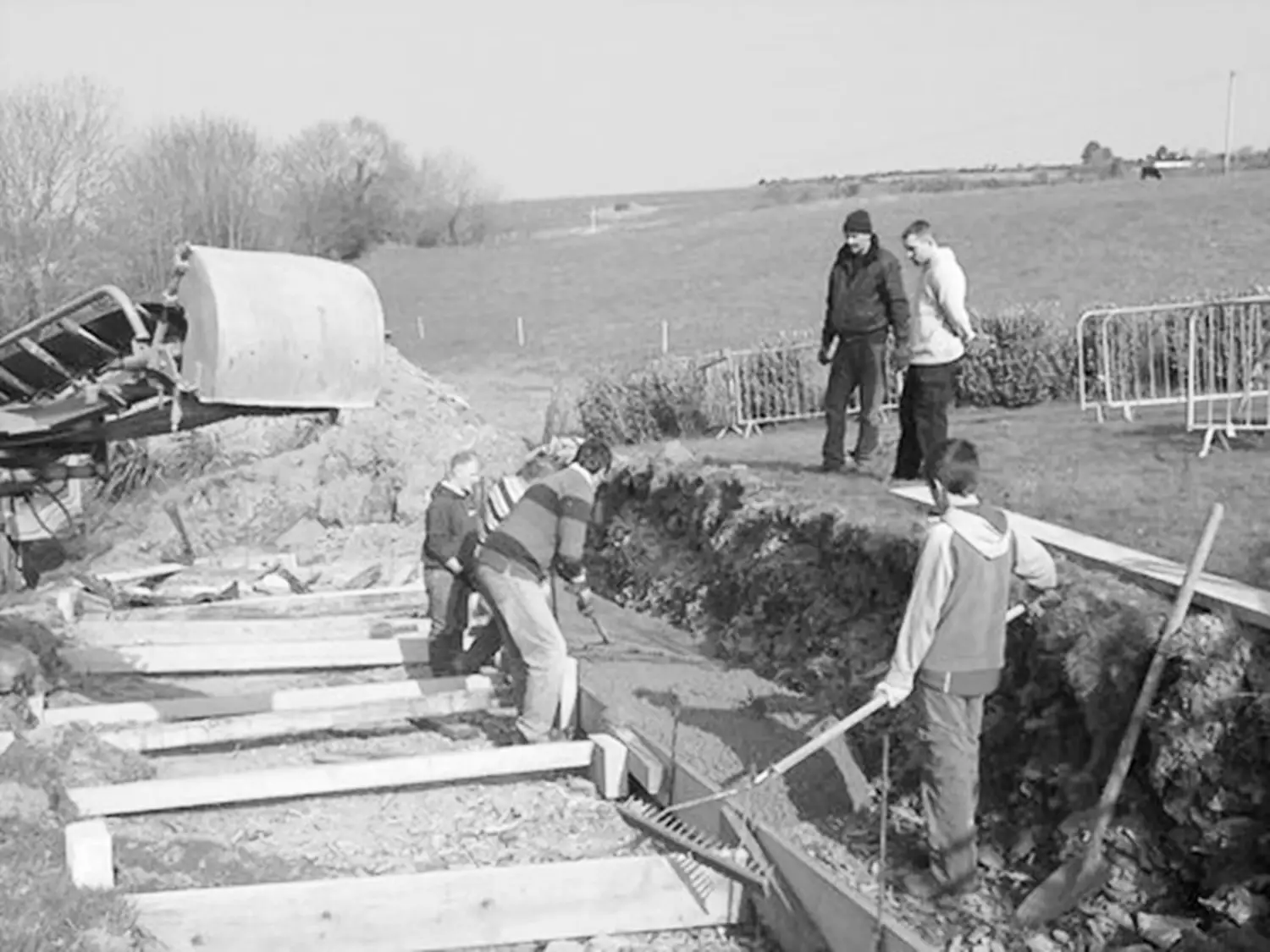
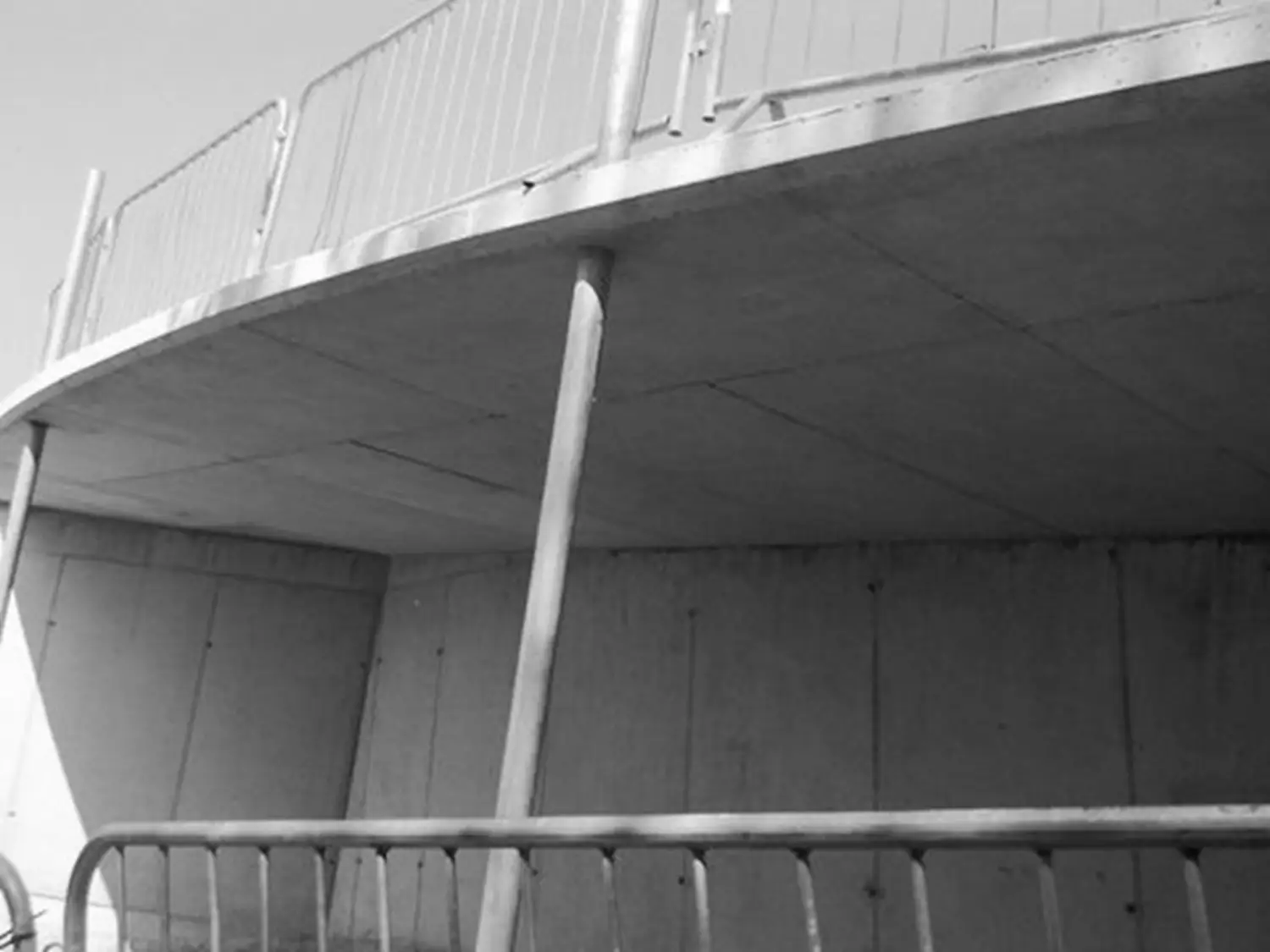
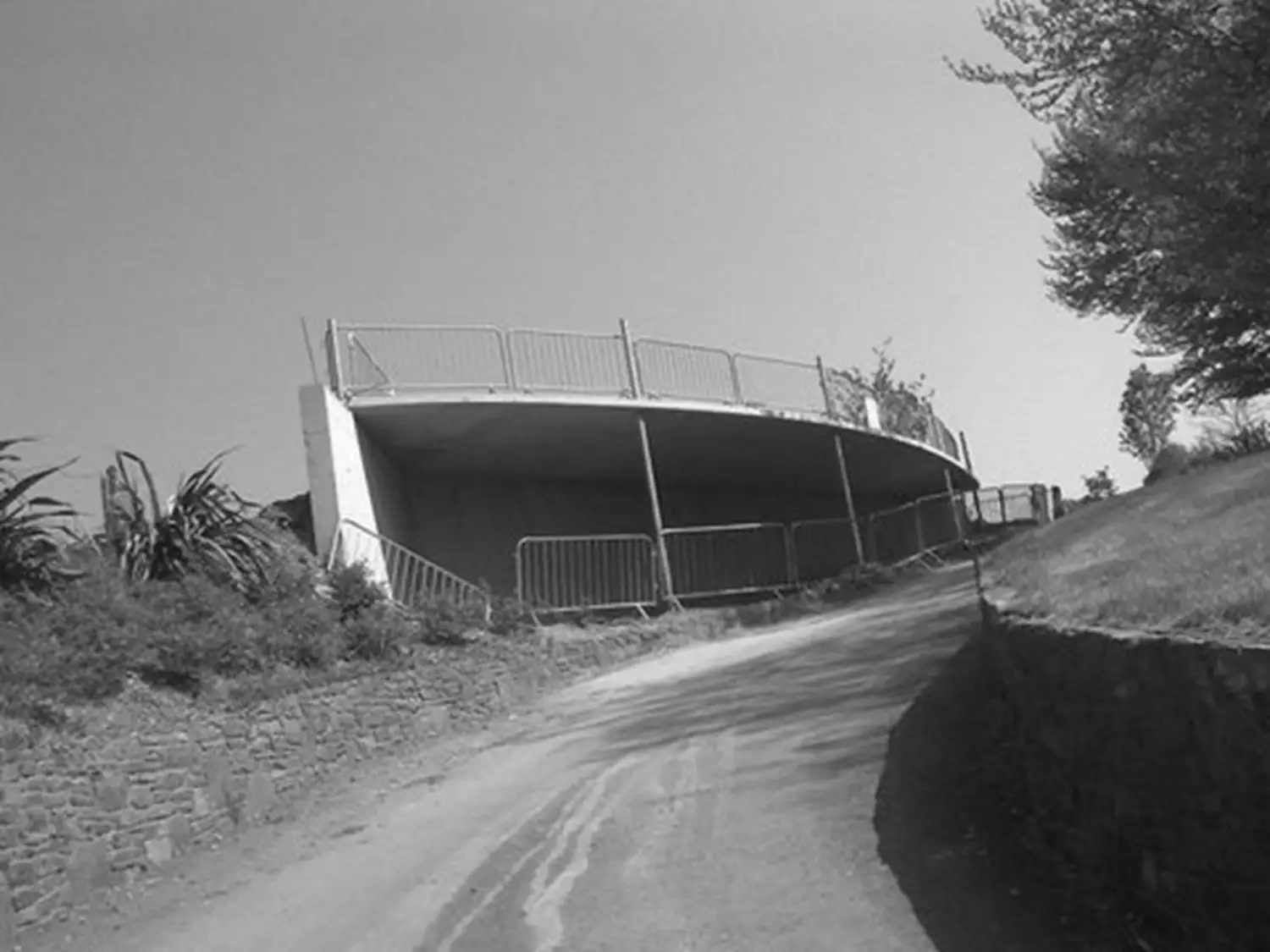
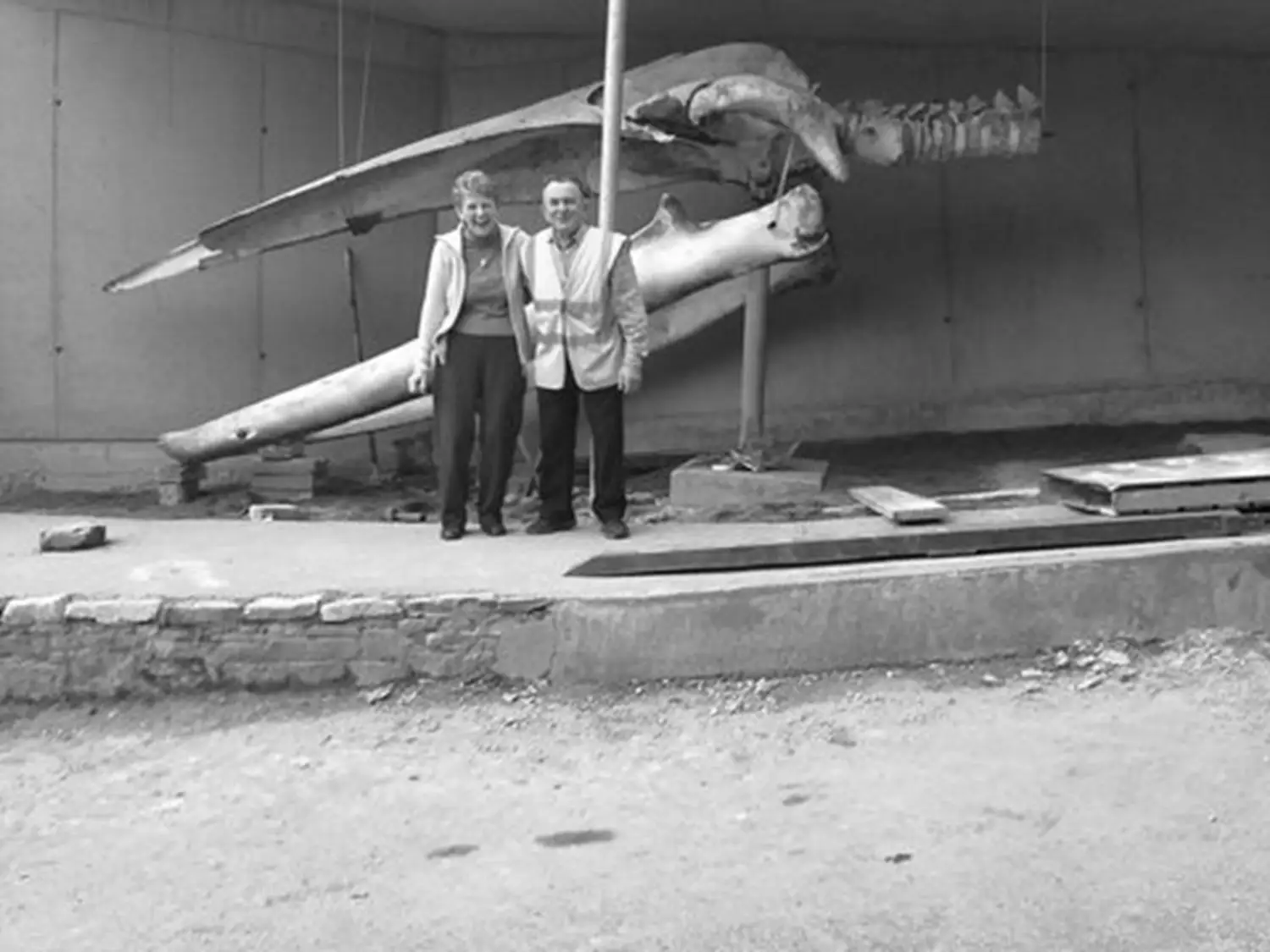
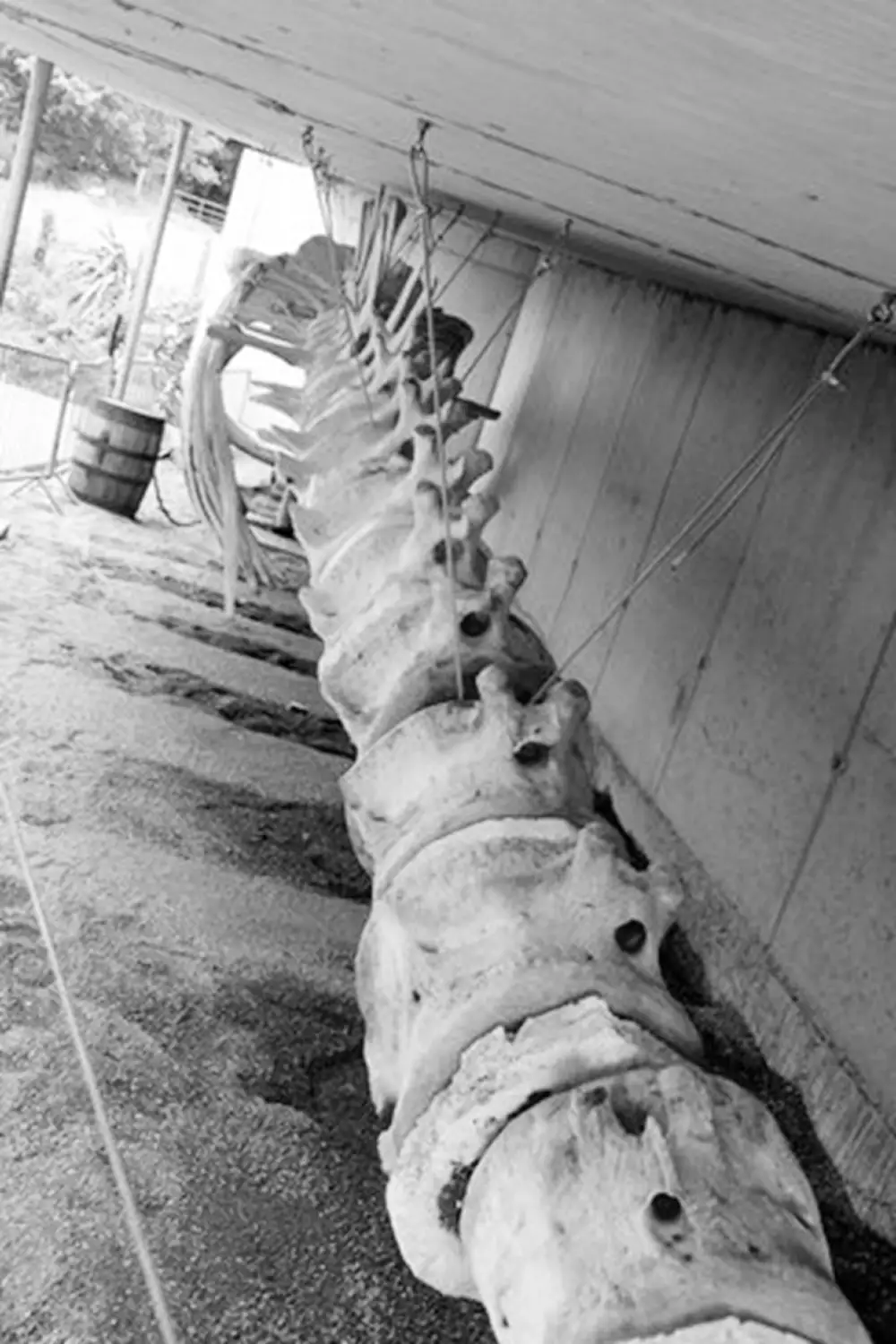
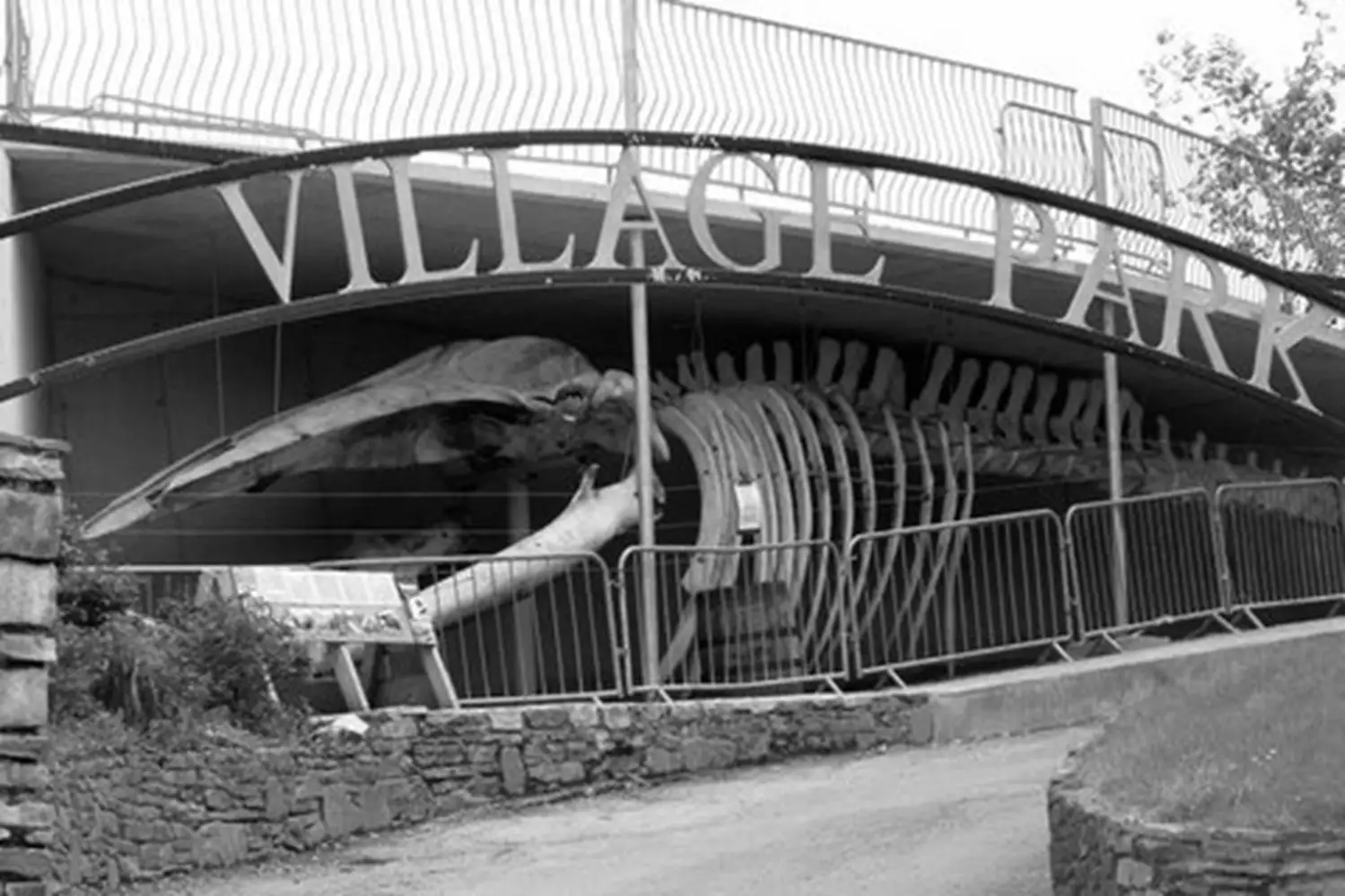
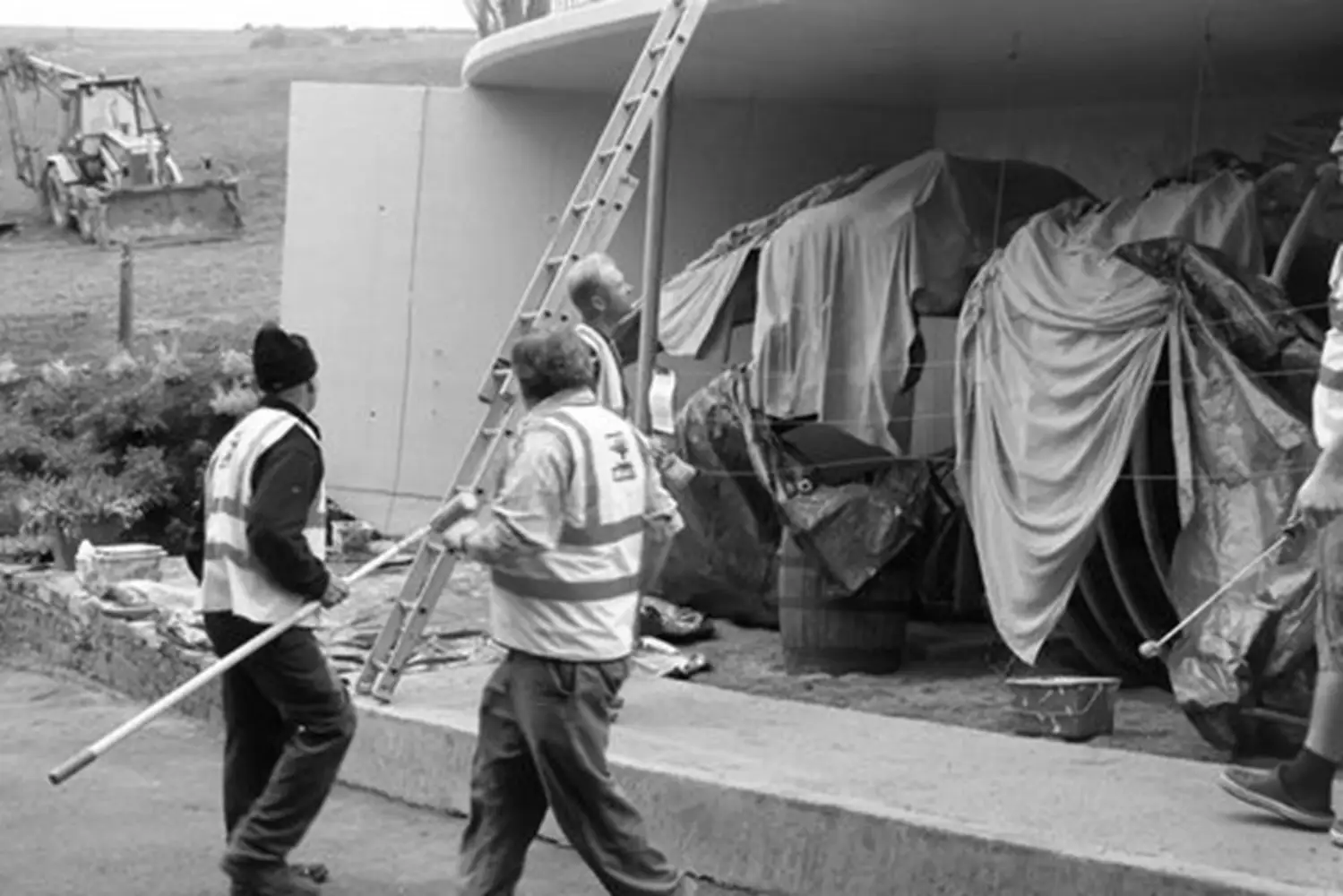
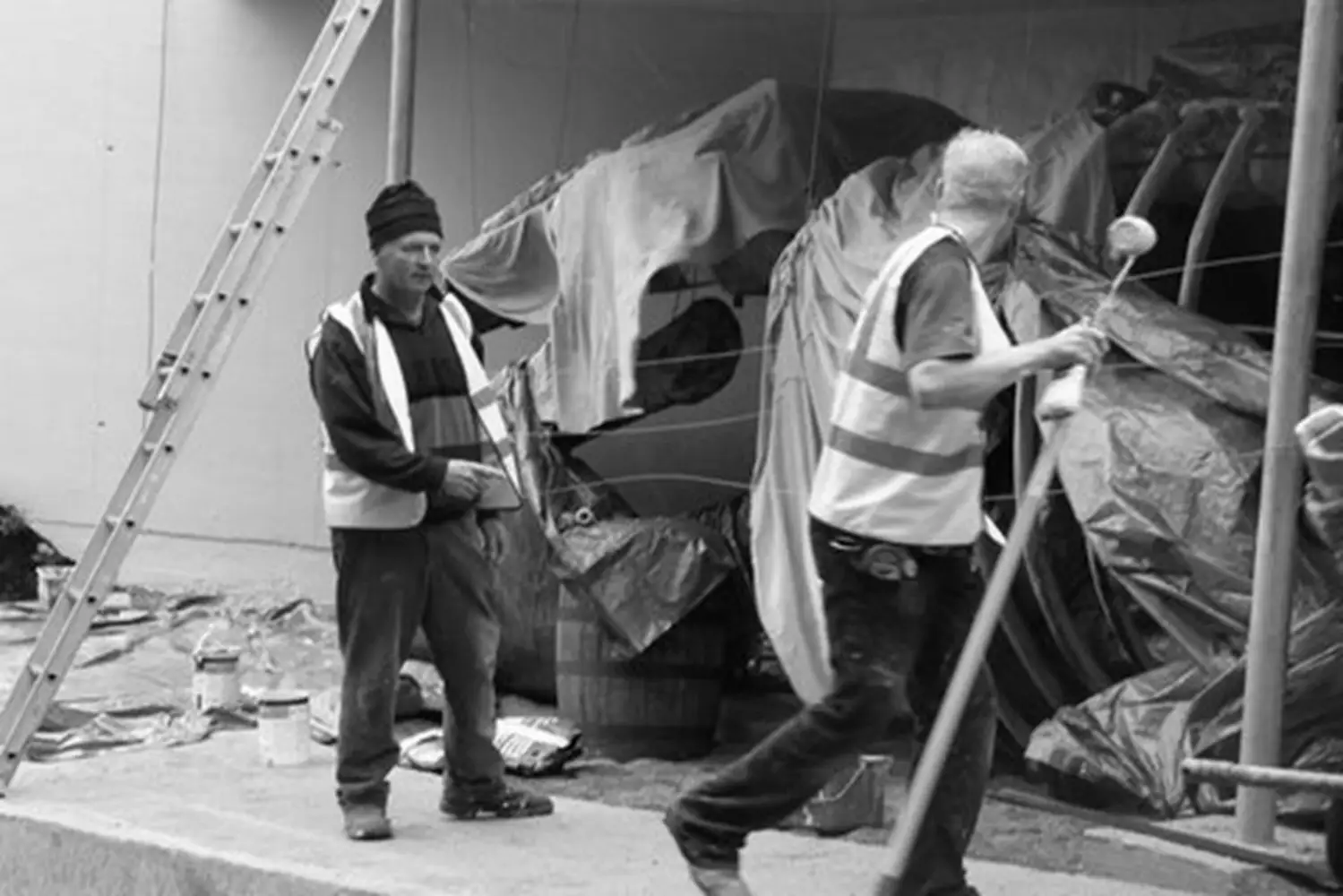
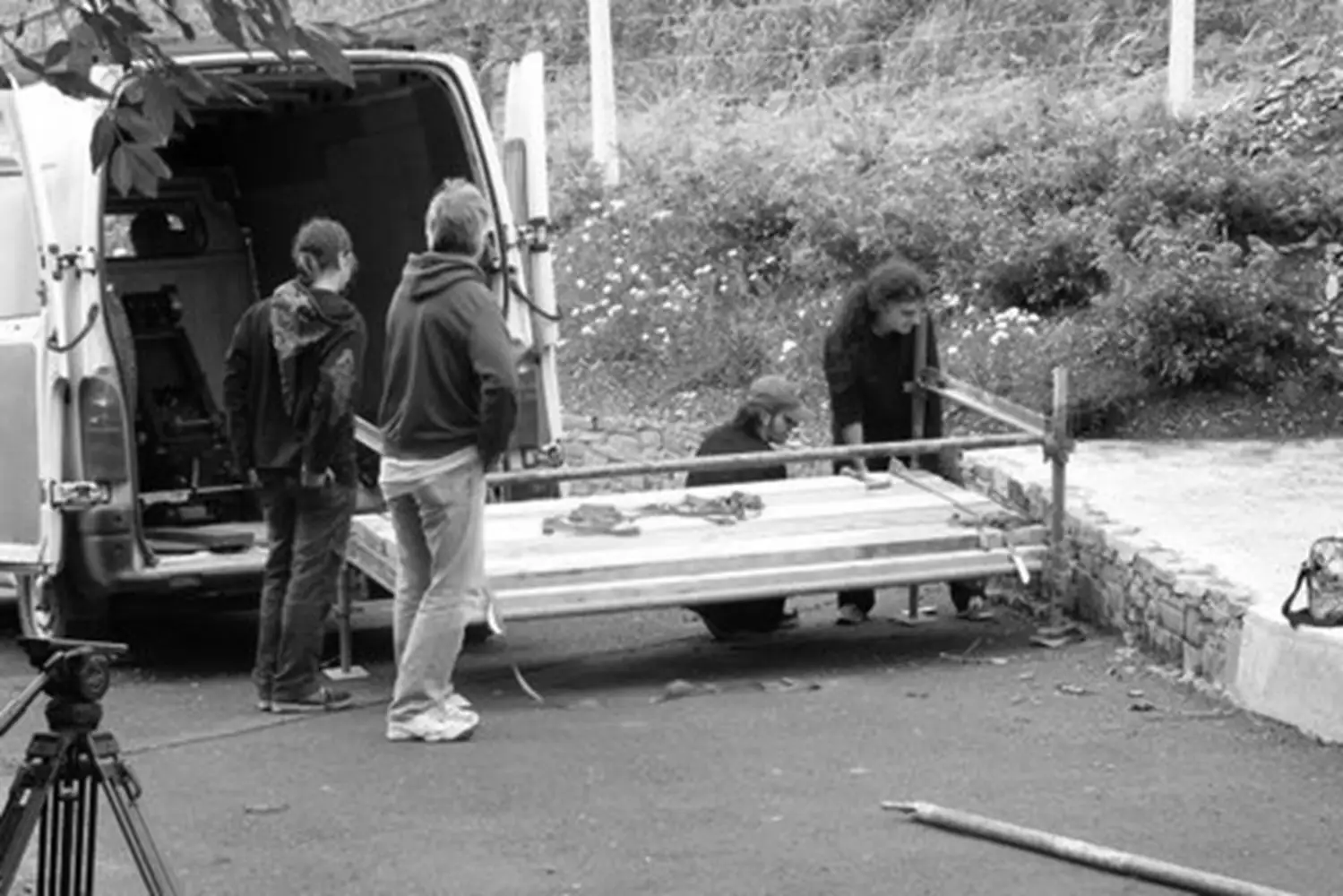
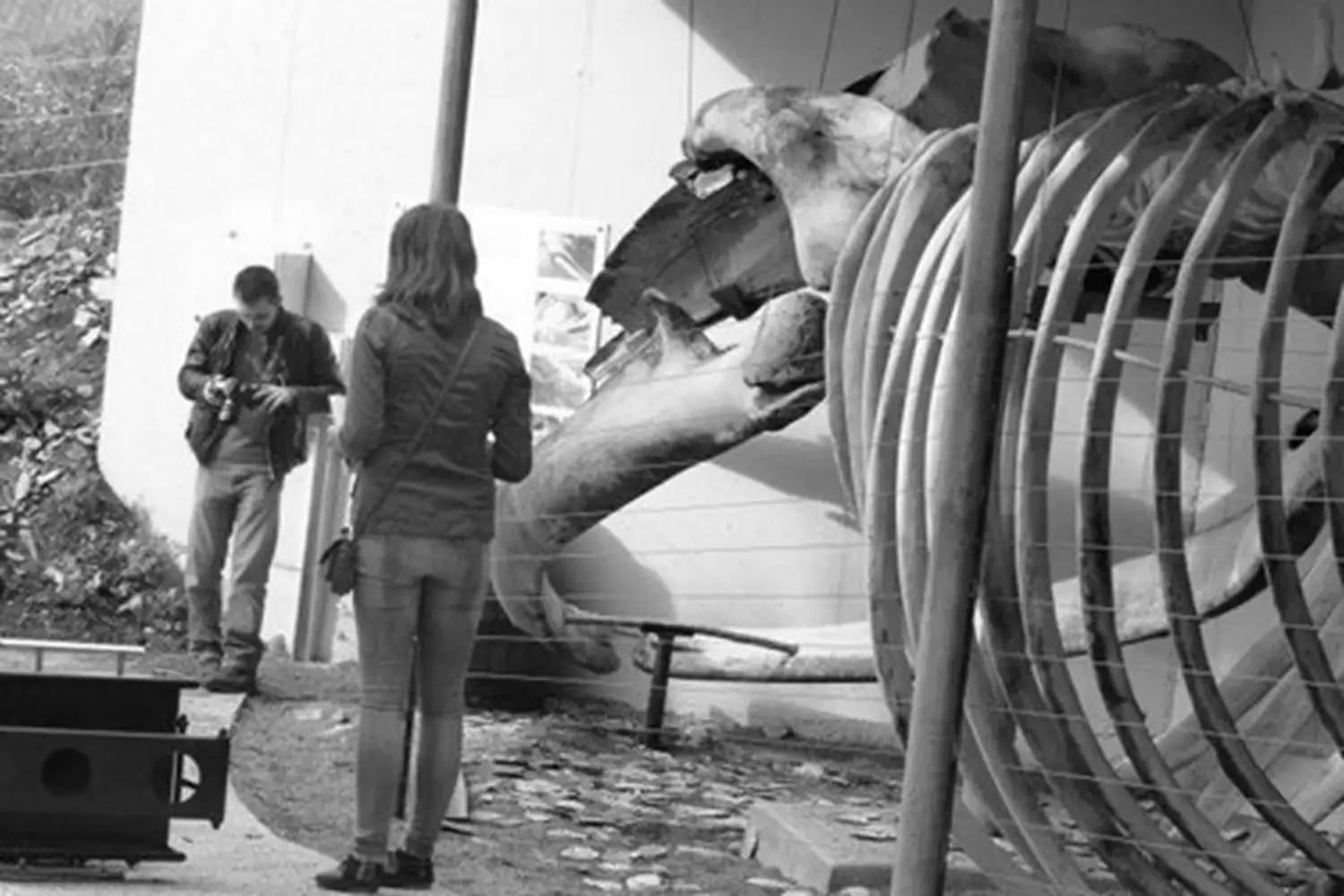
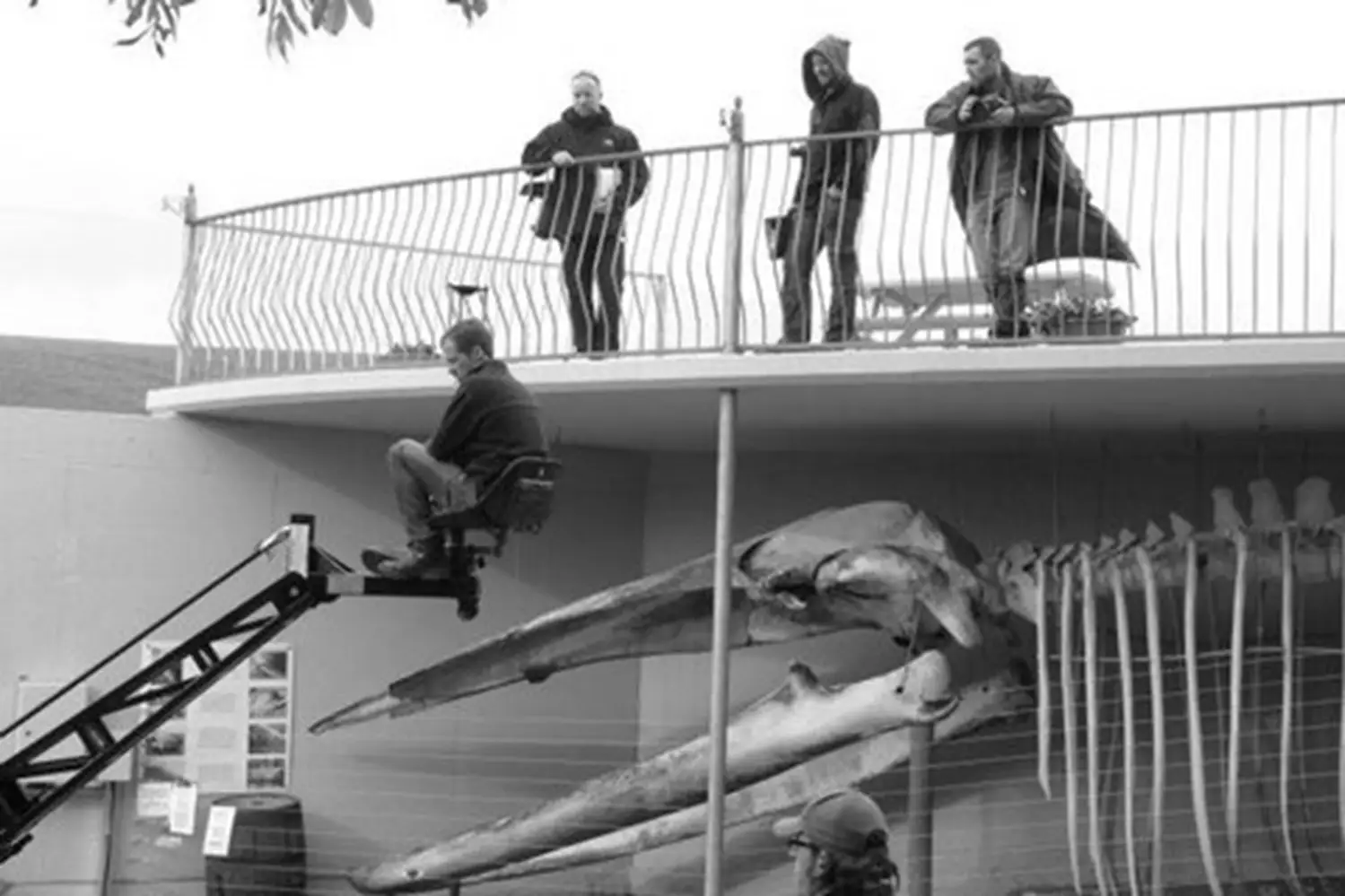
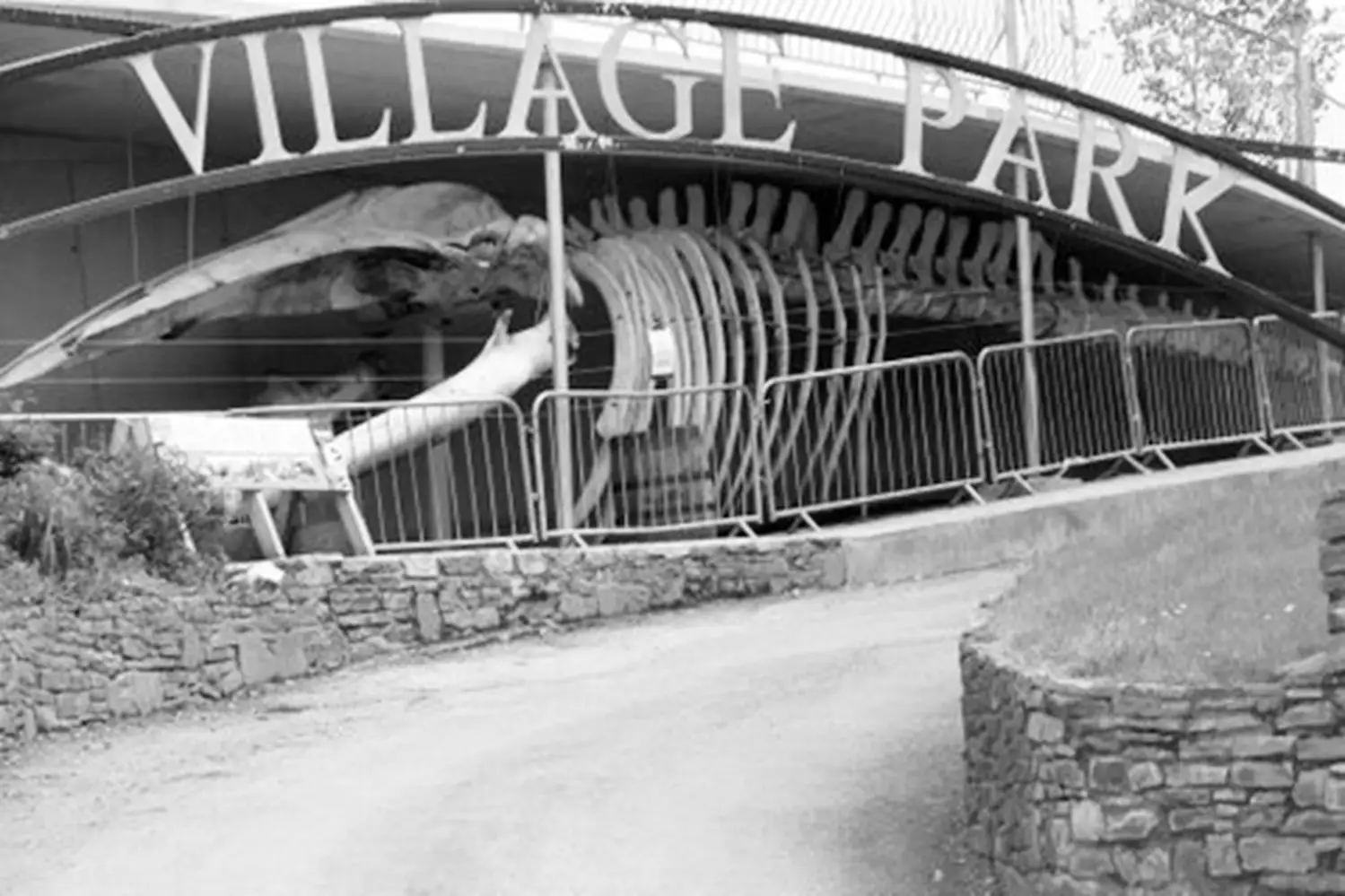
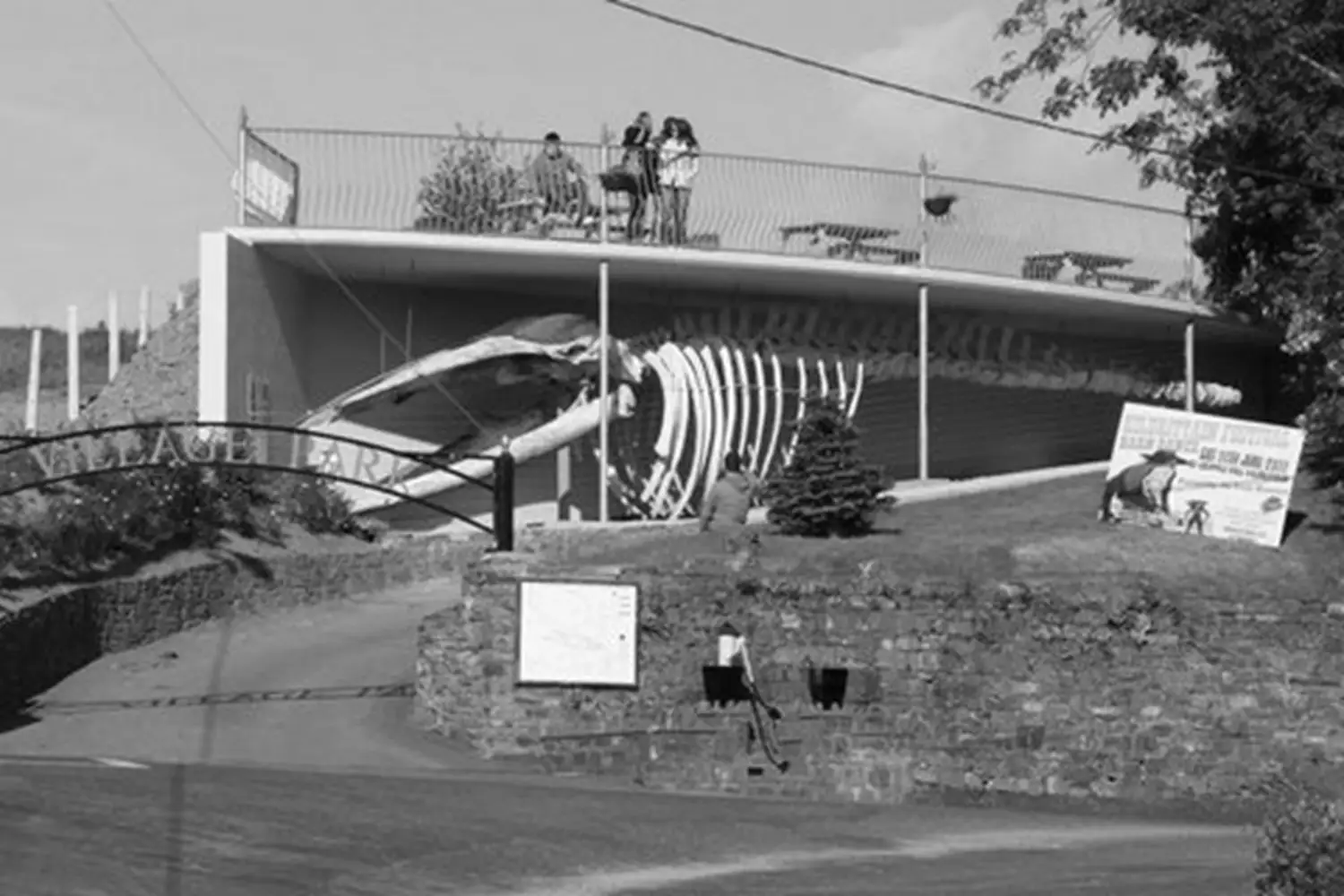
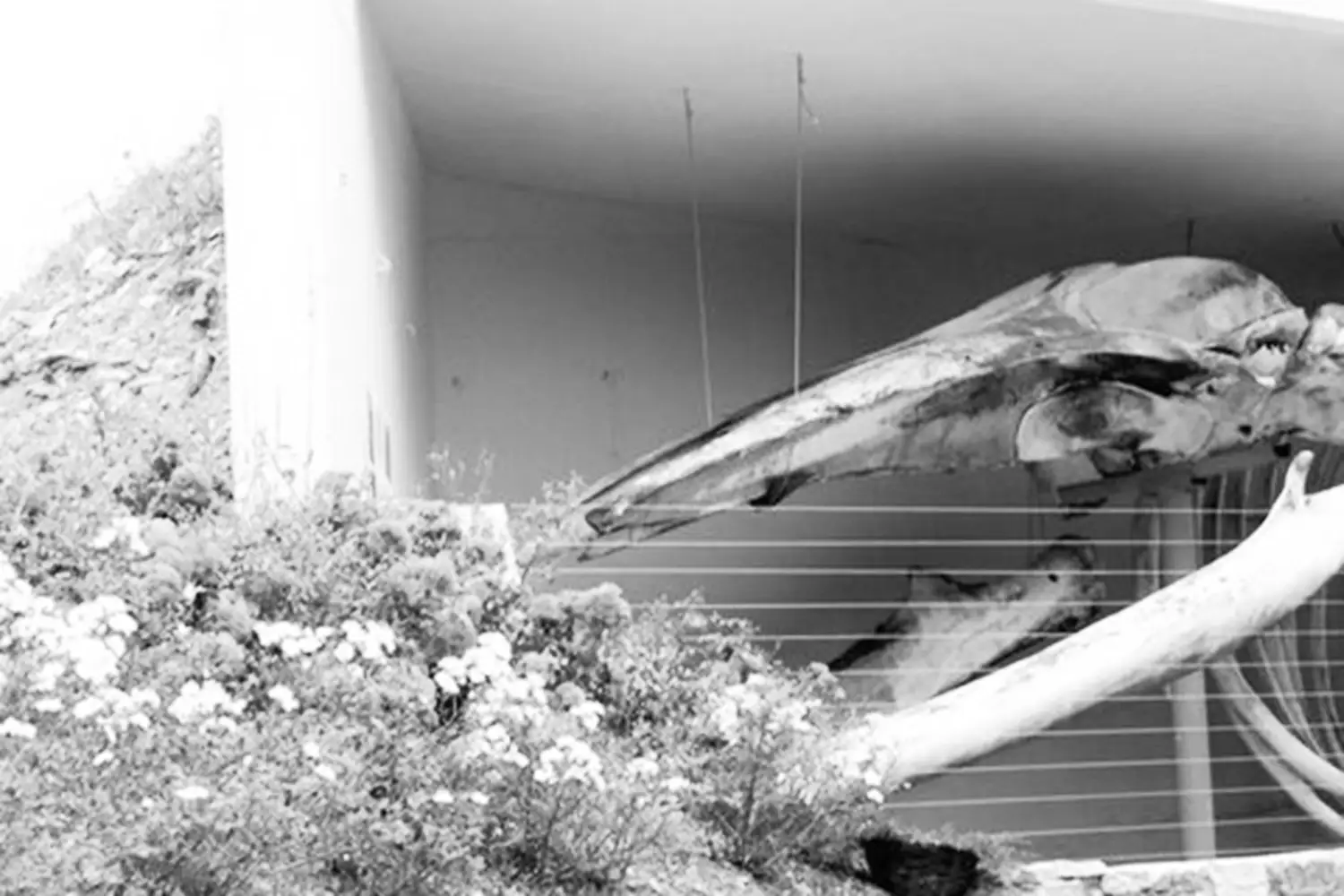
And so it began. A bespoke display shelter was constructed — open-sided to allow airflow, with enough space to walk beside the skeleton and take in its full length. It was functional, yes, but also respectful. A place to reflect, to learn, to marvel.
Wood, metal, and community effort came together once again — and the whale had a home.
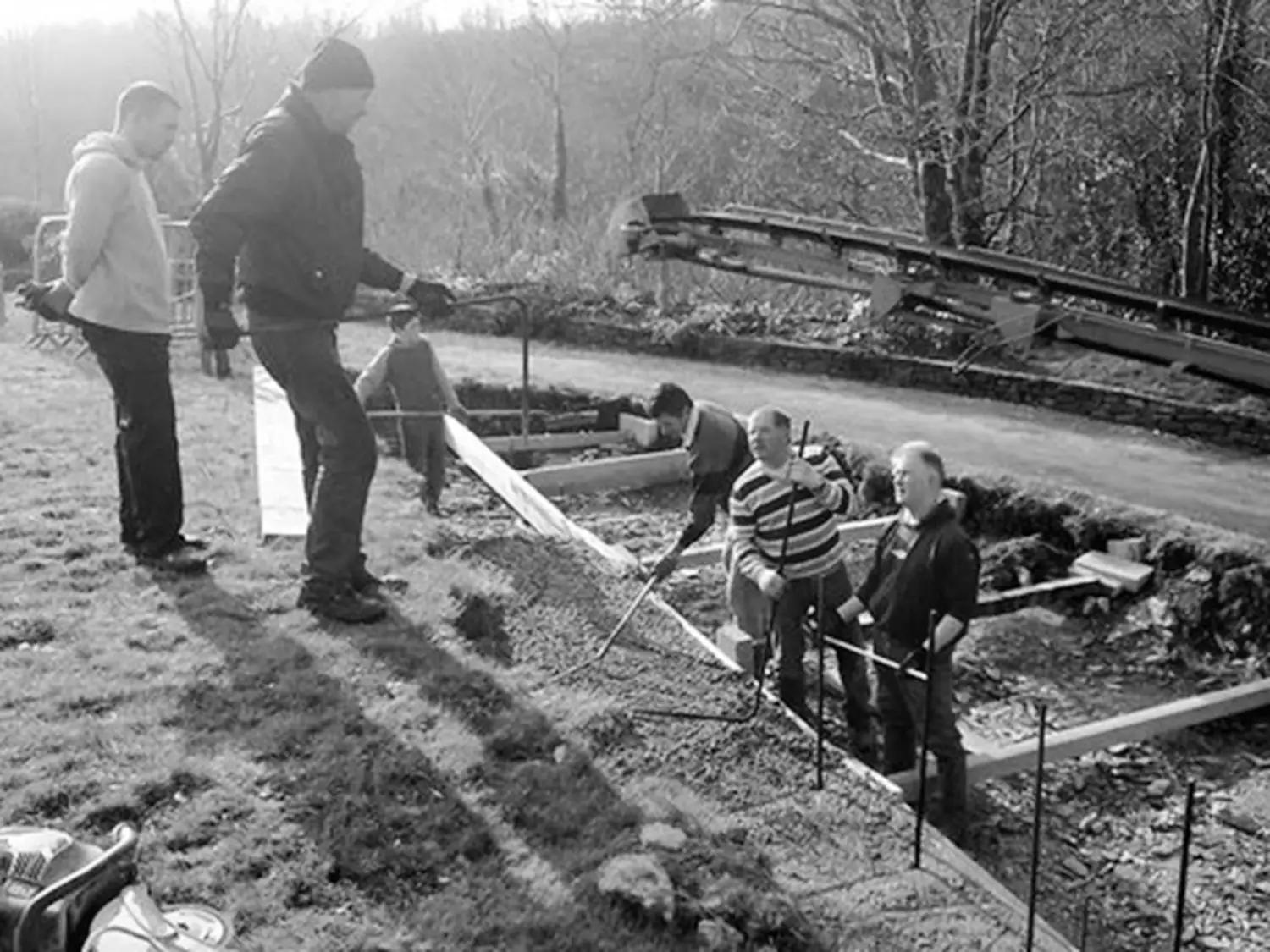
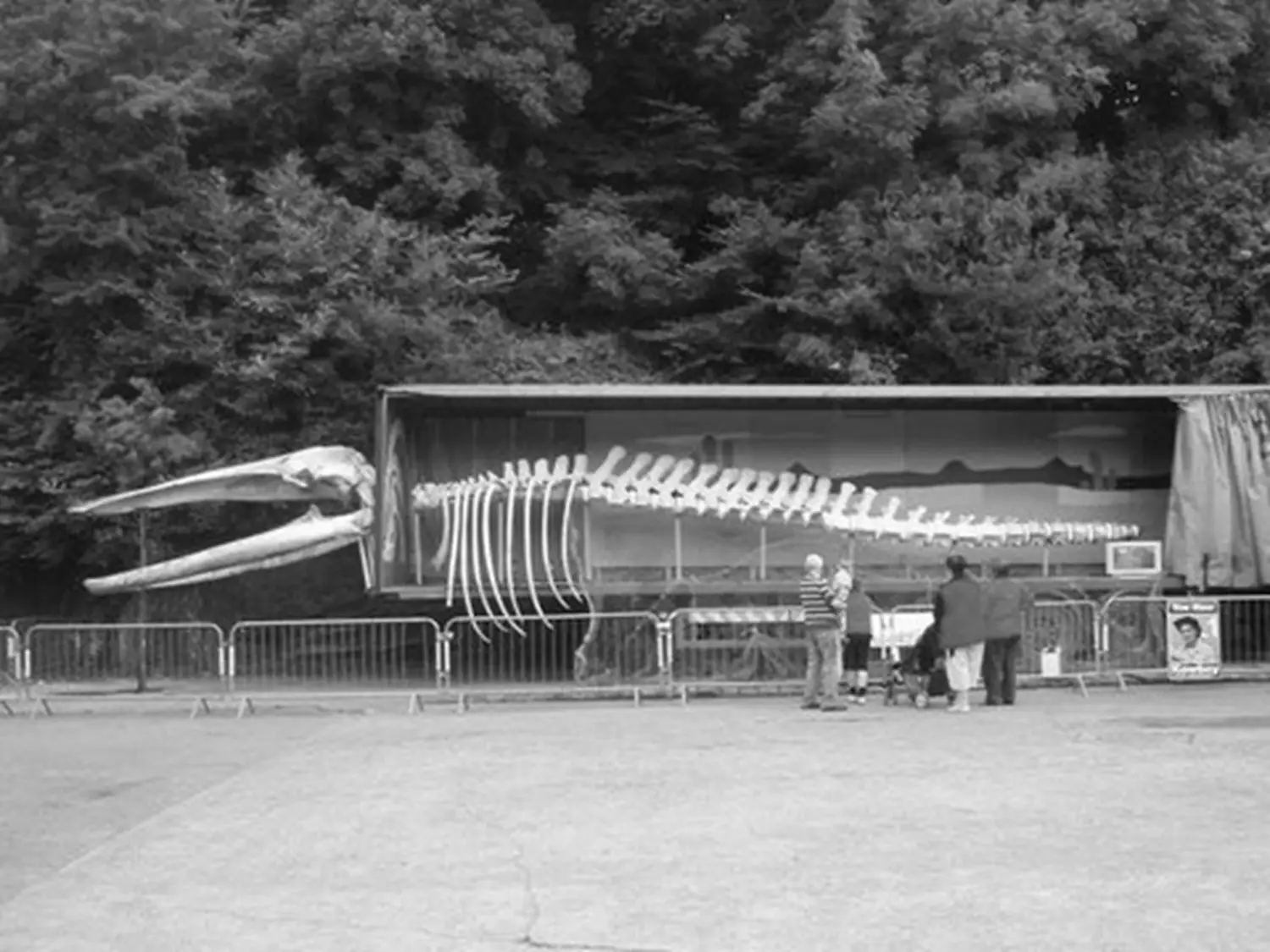
The journey from temporary to permanent display.
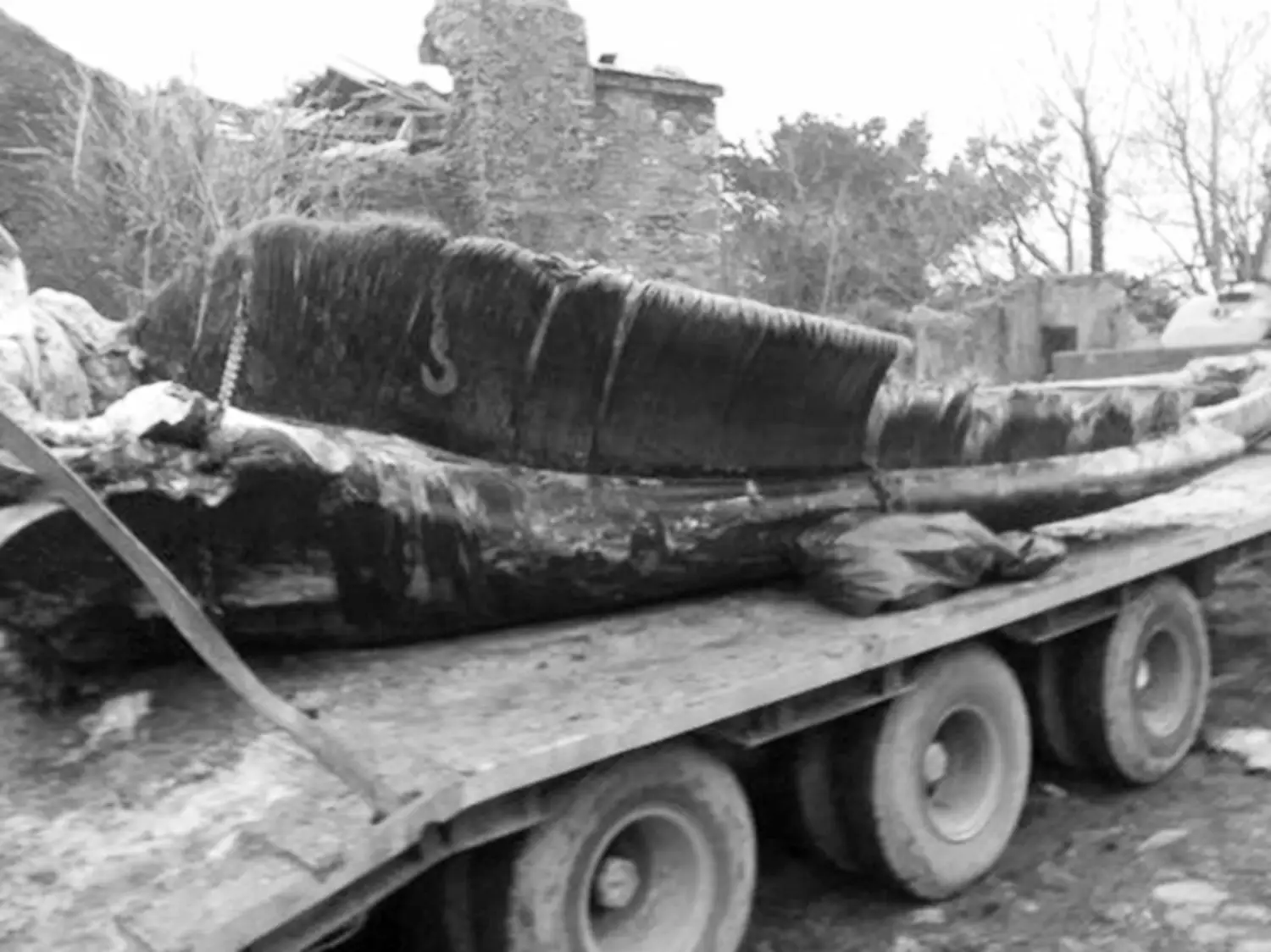
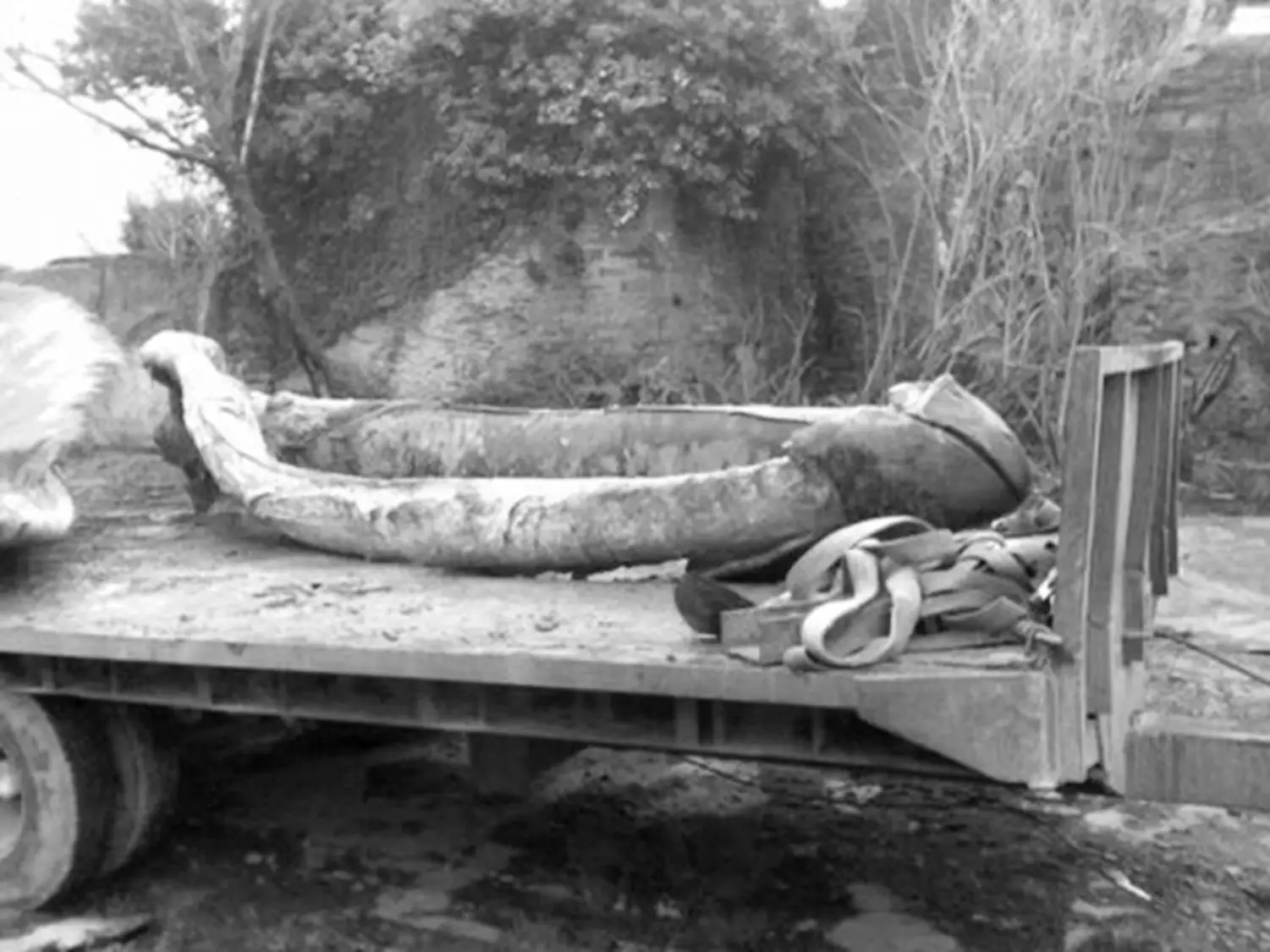
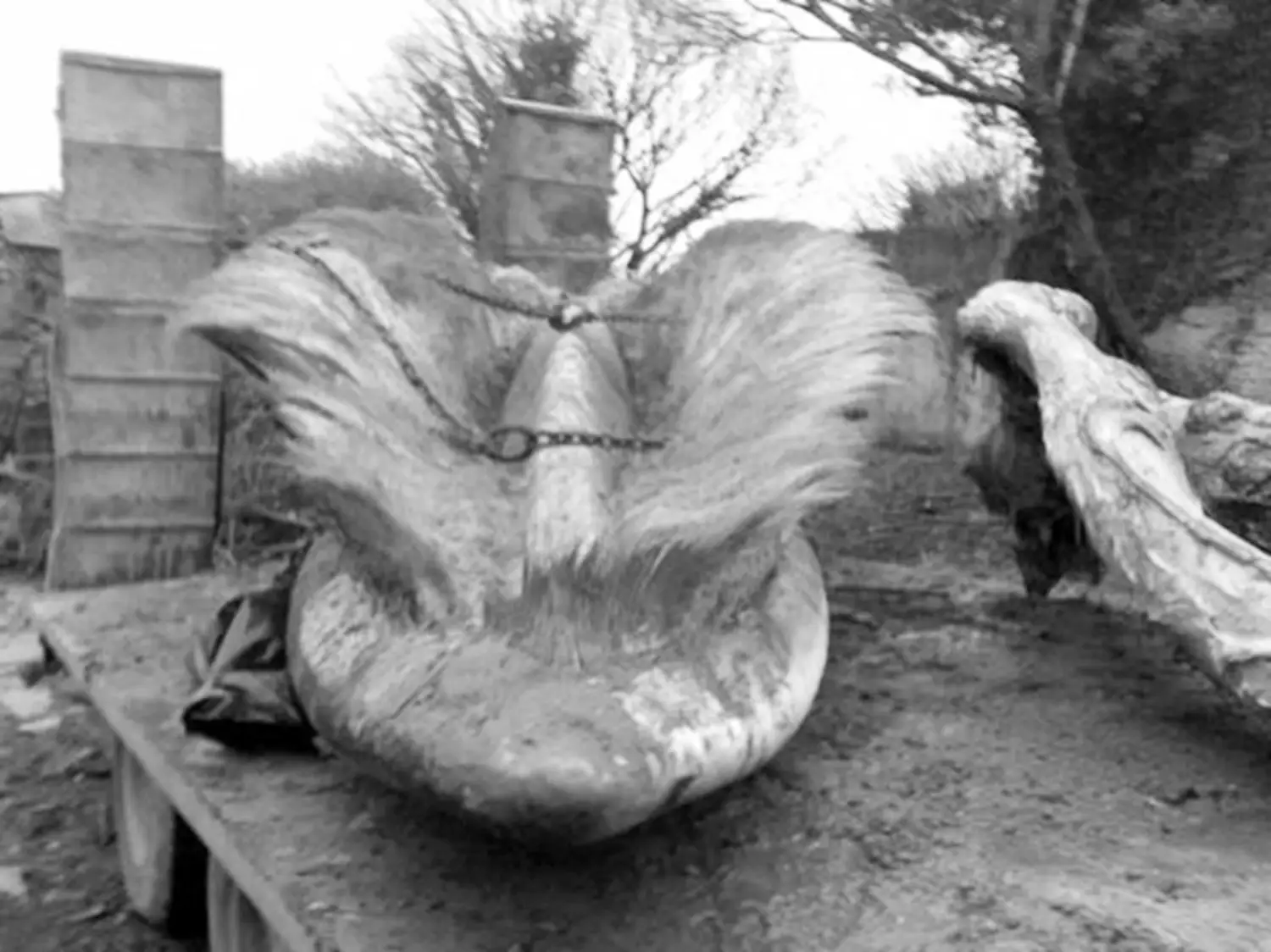
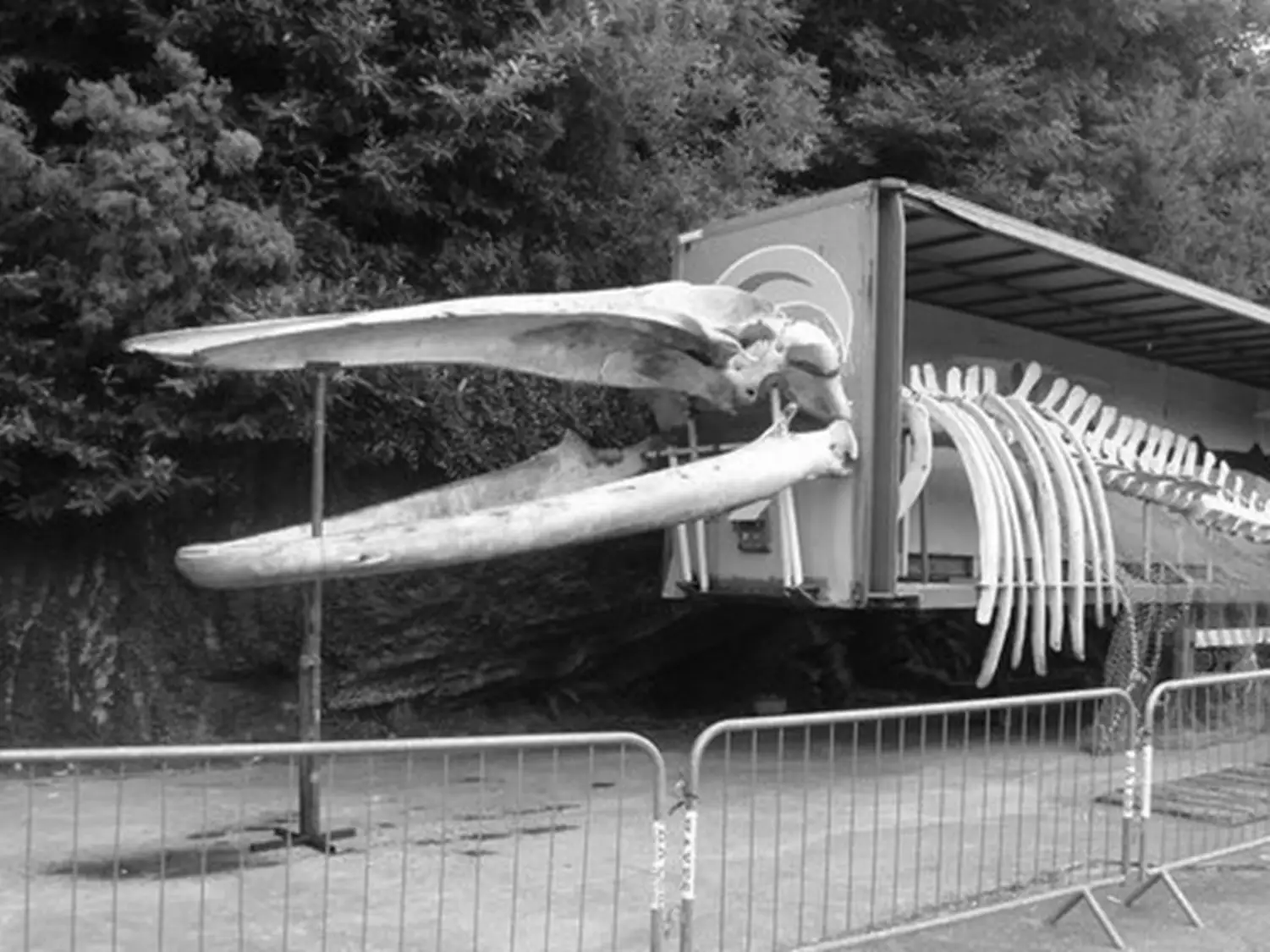
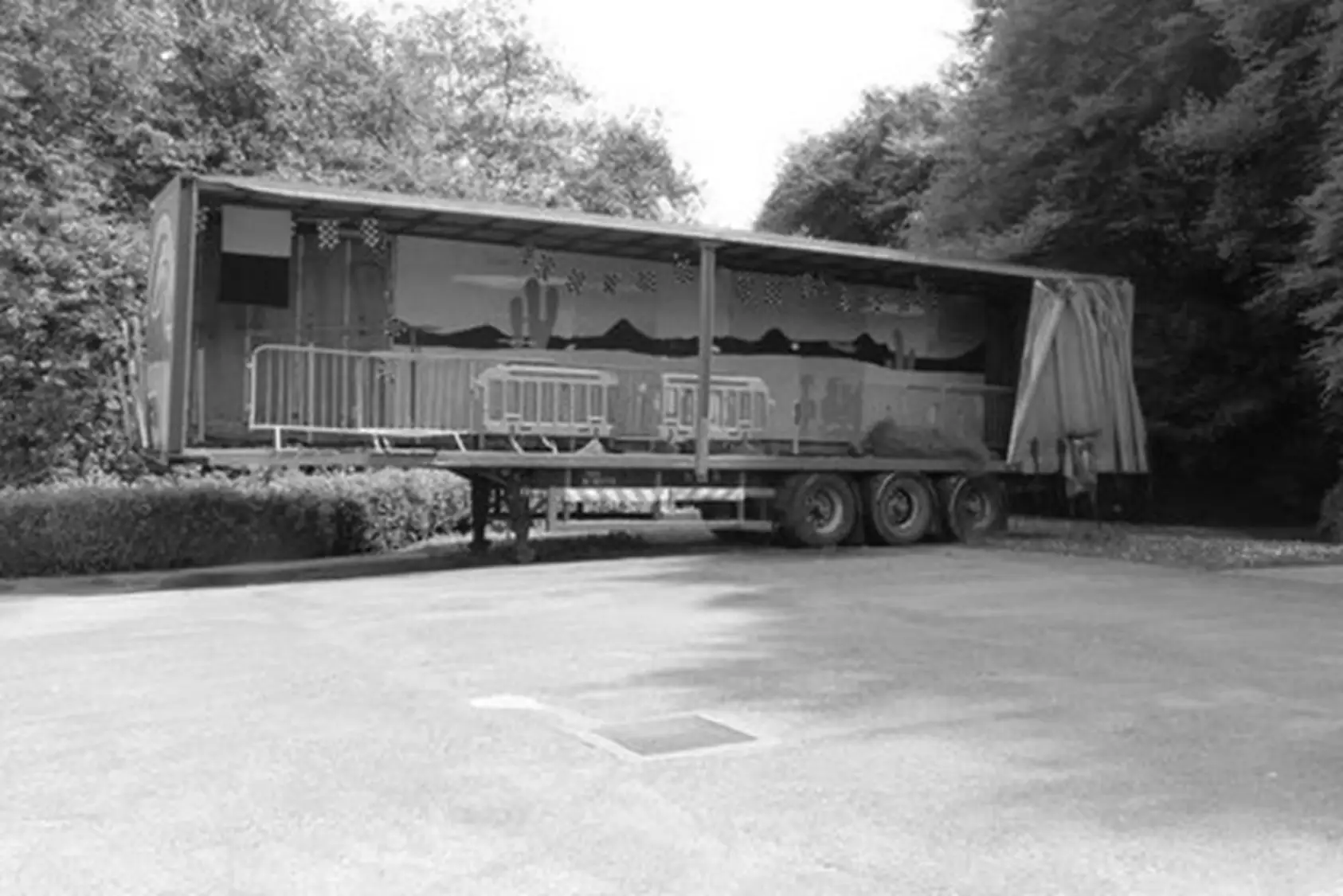
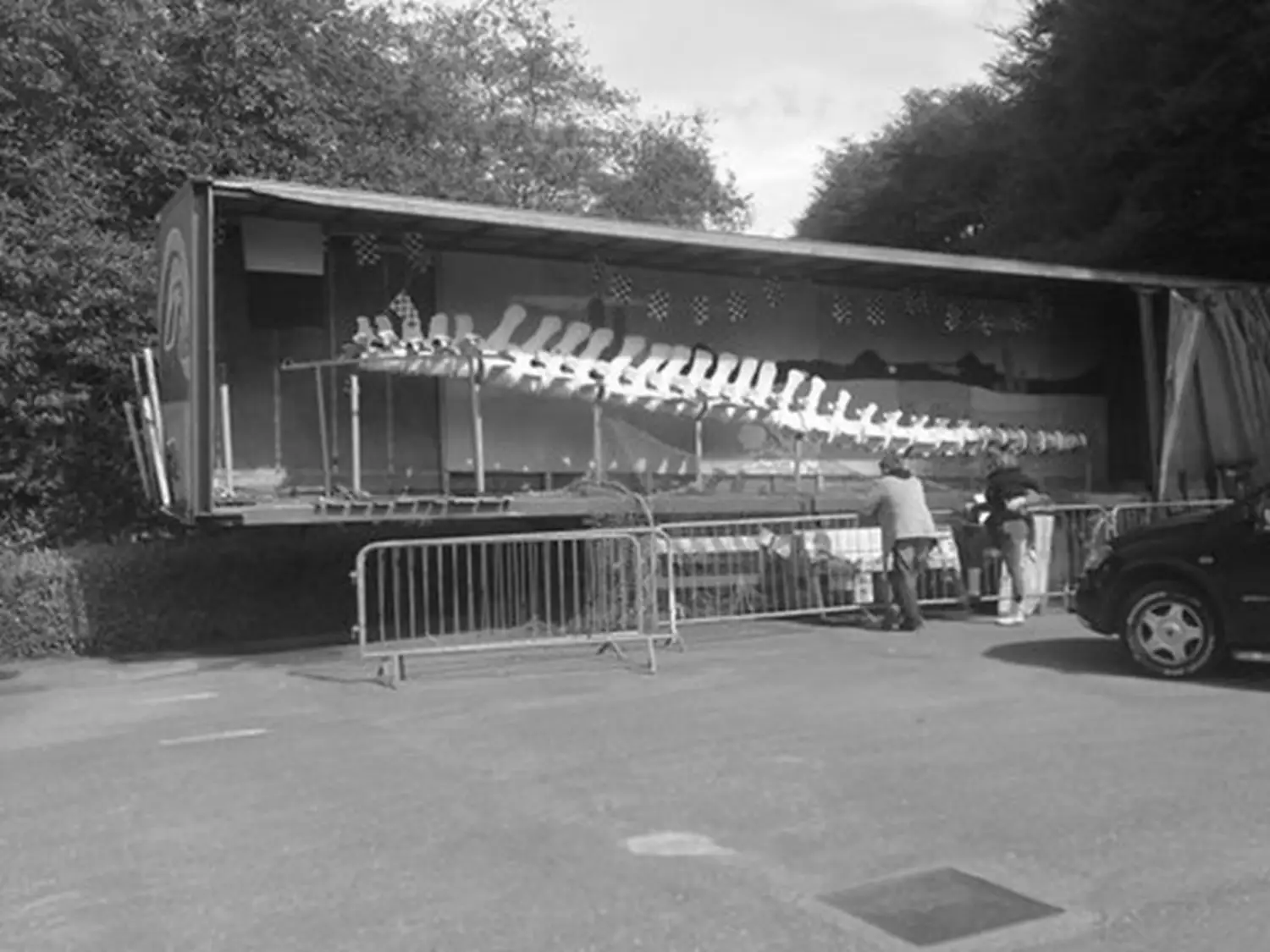
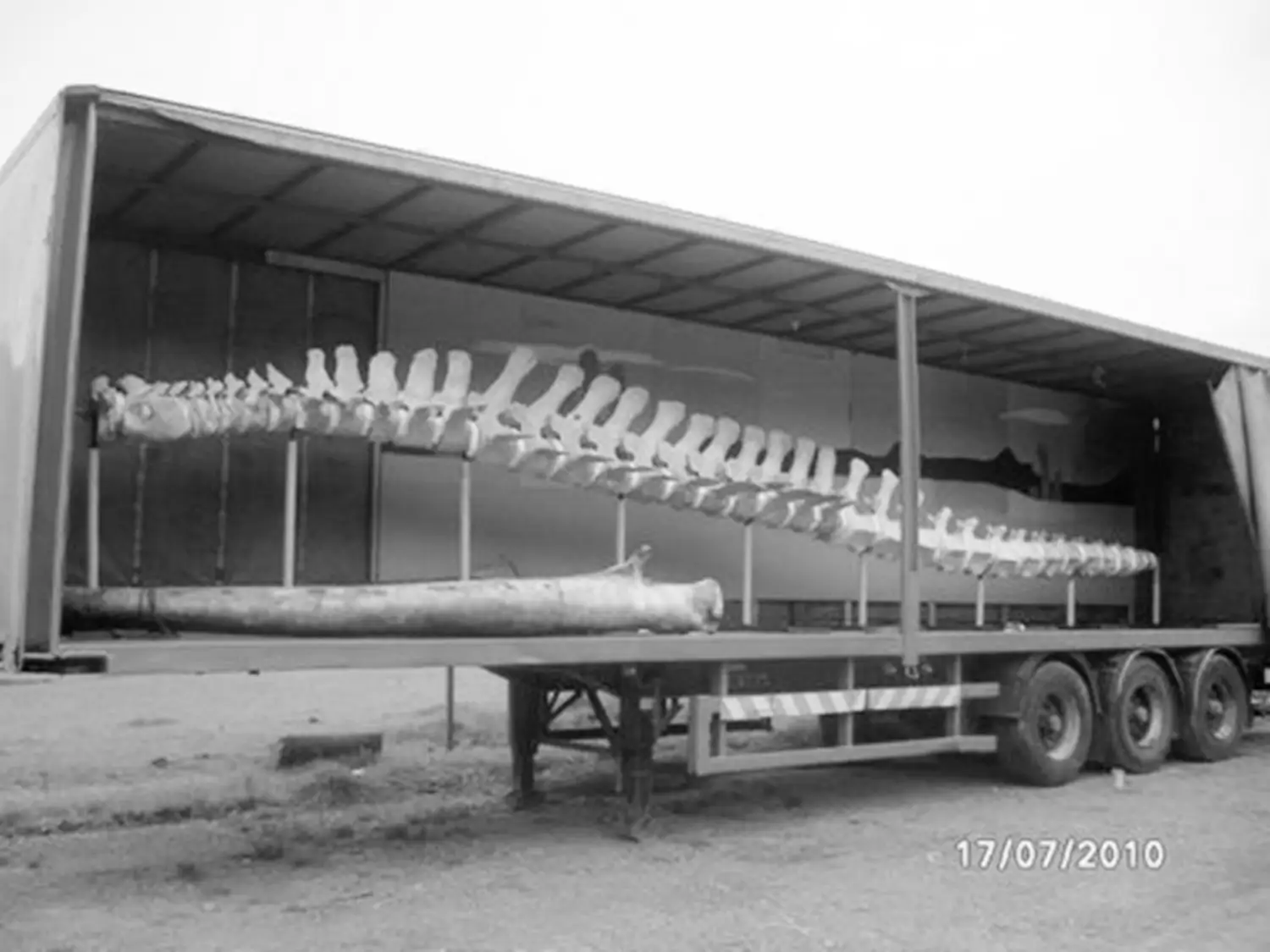
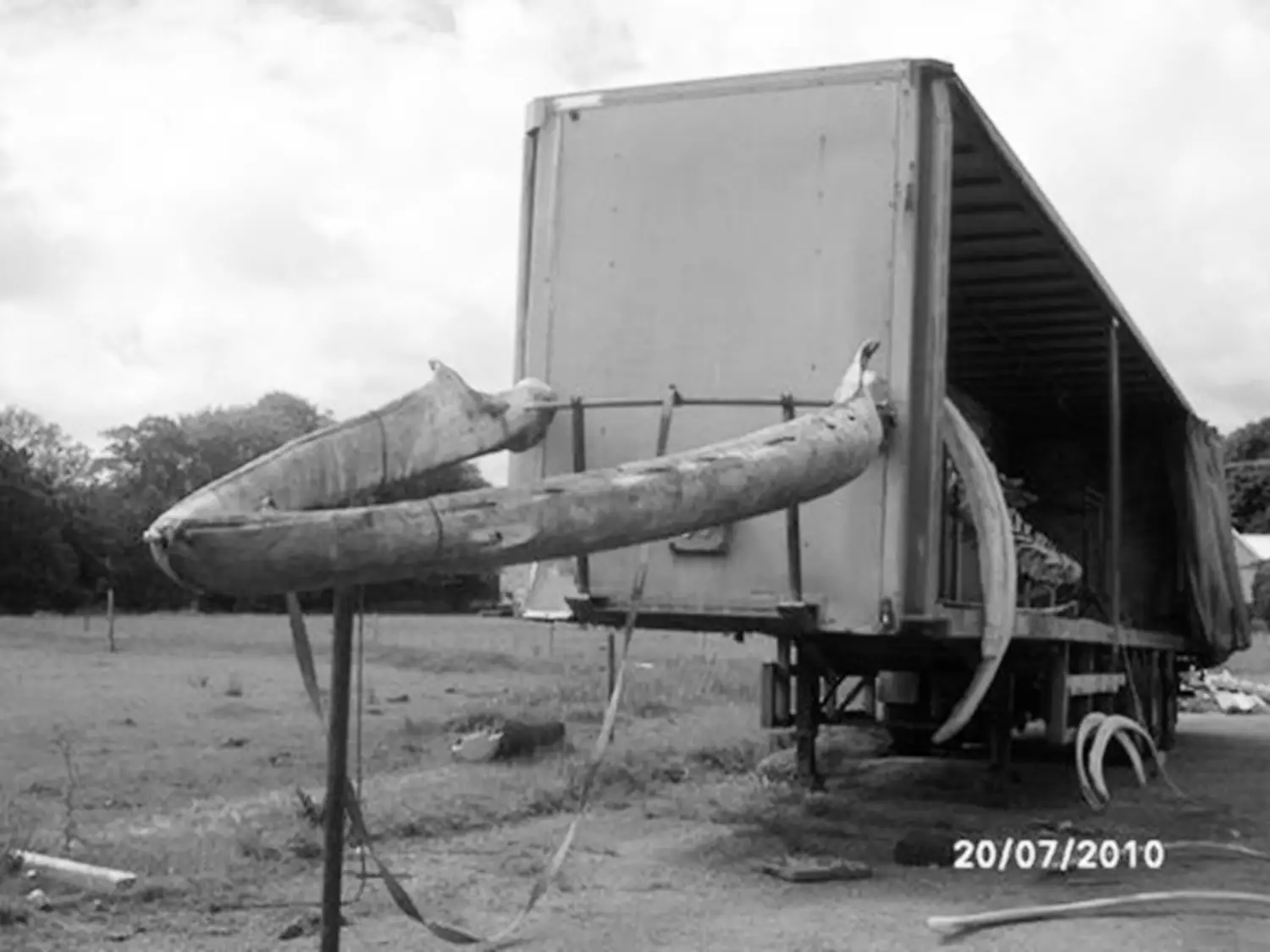
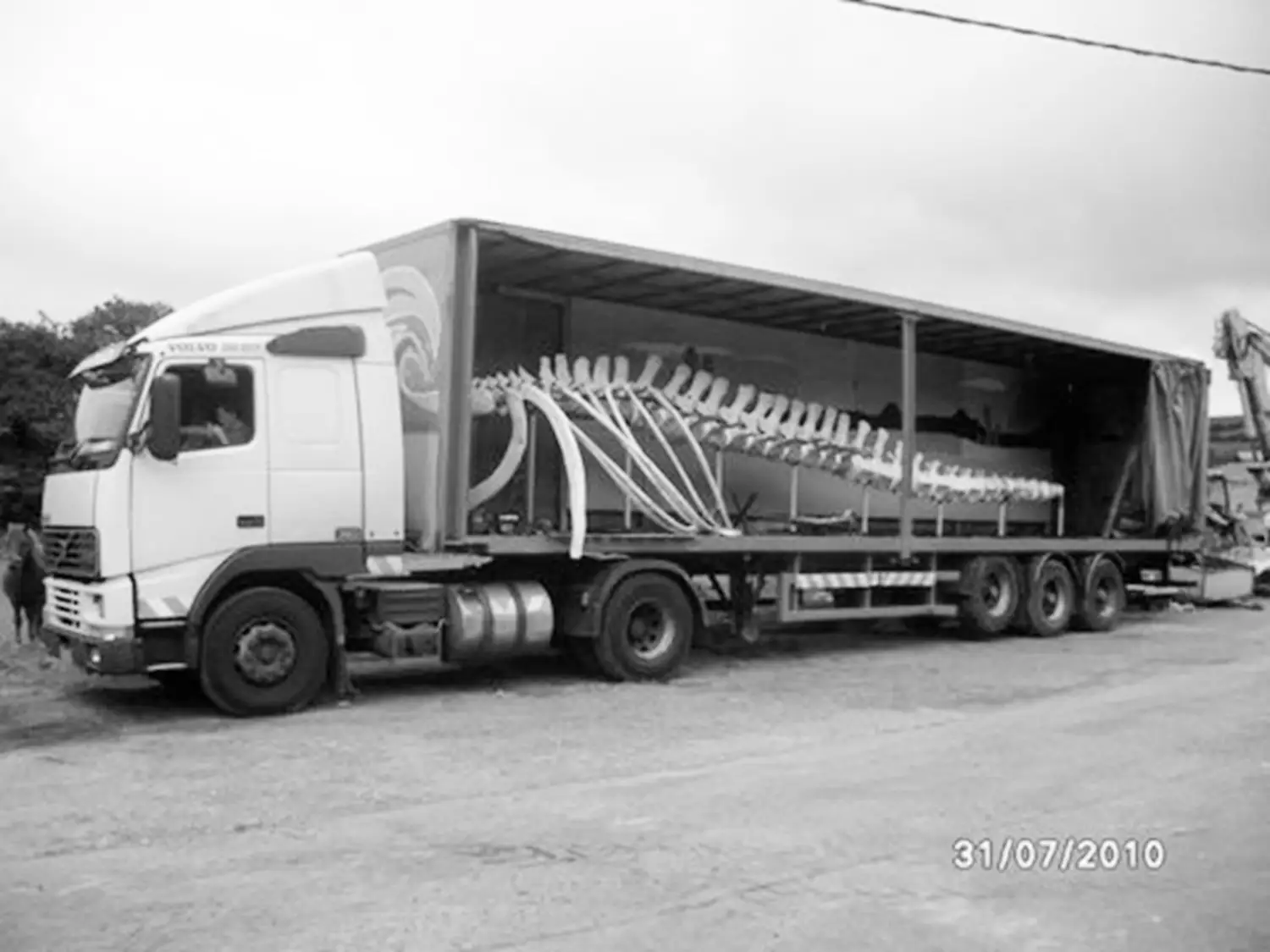
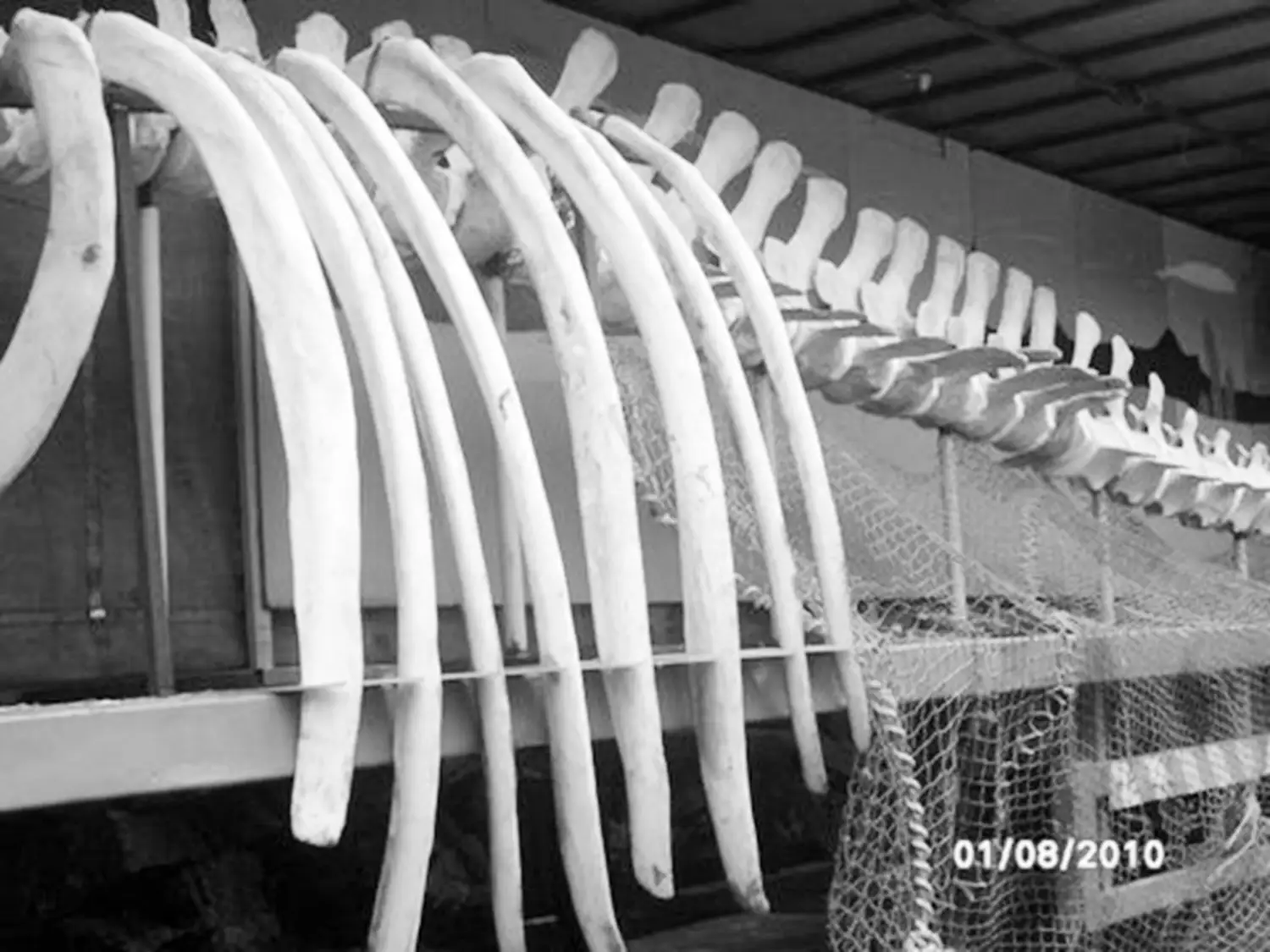
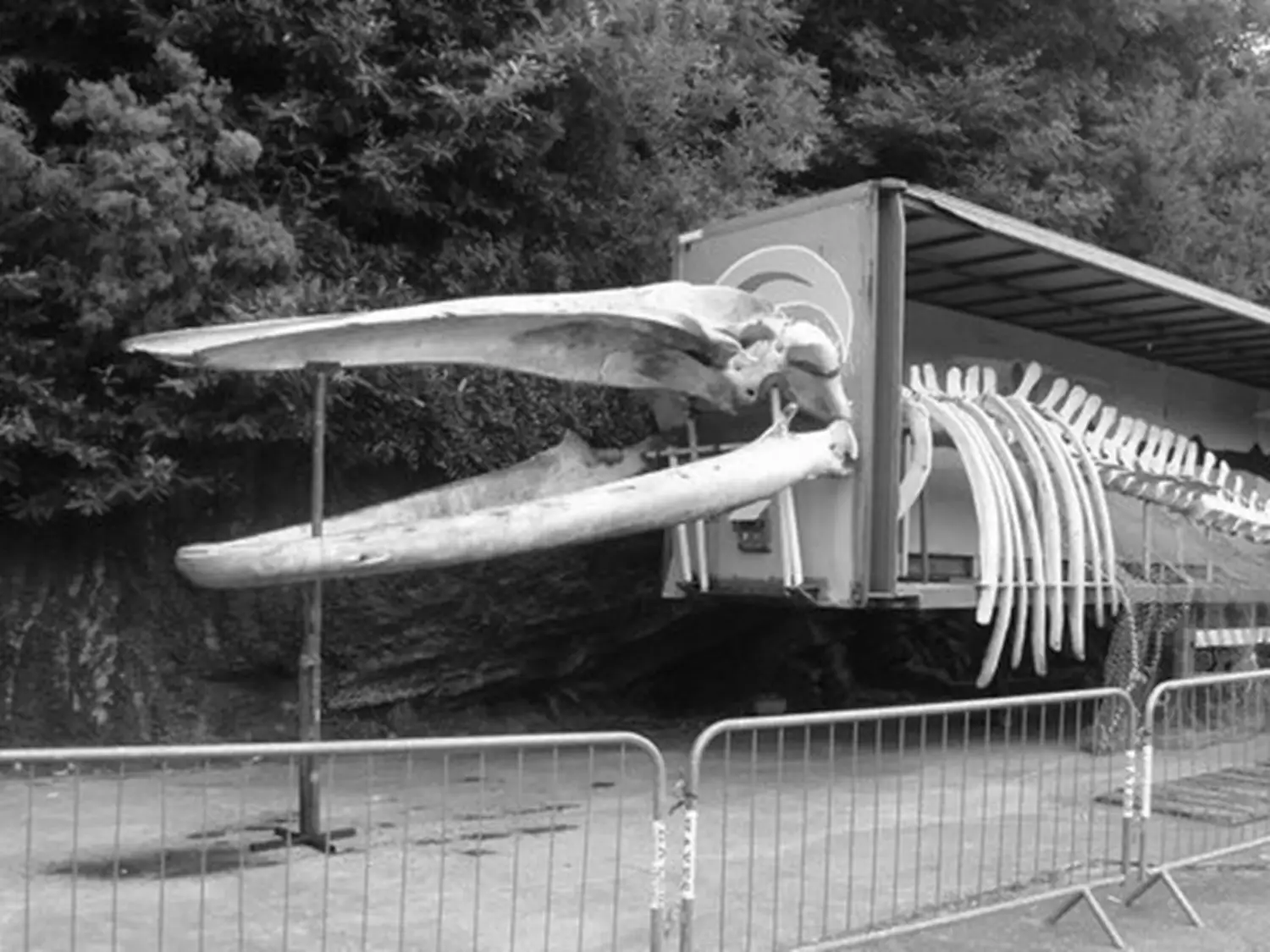
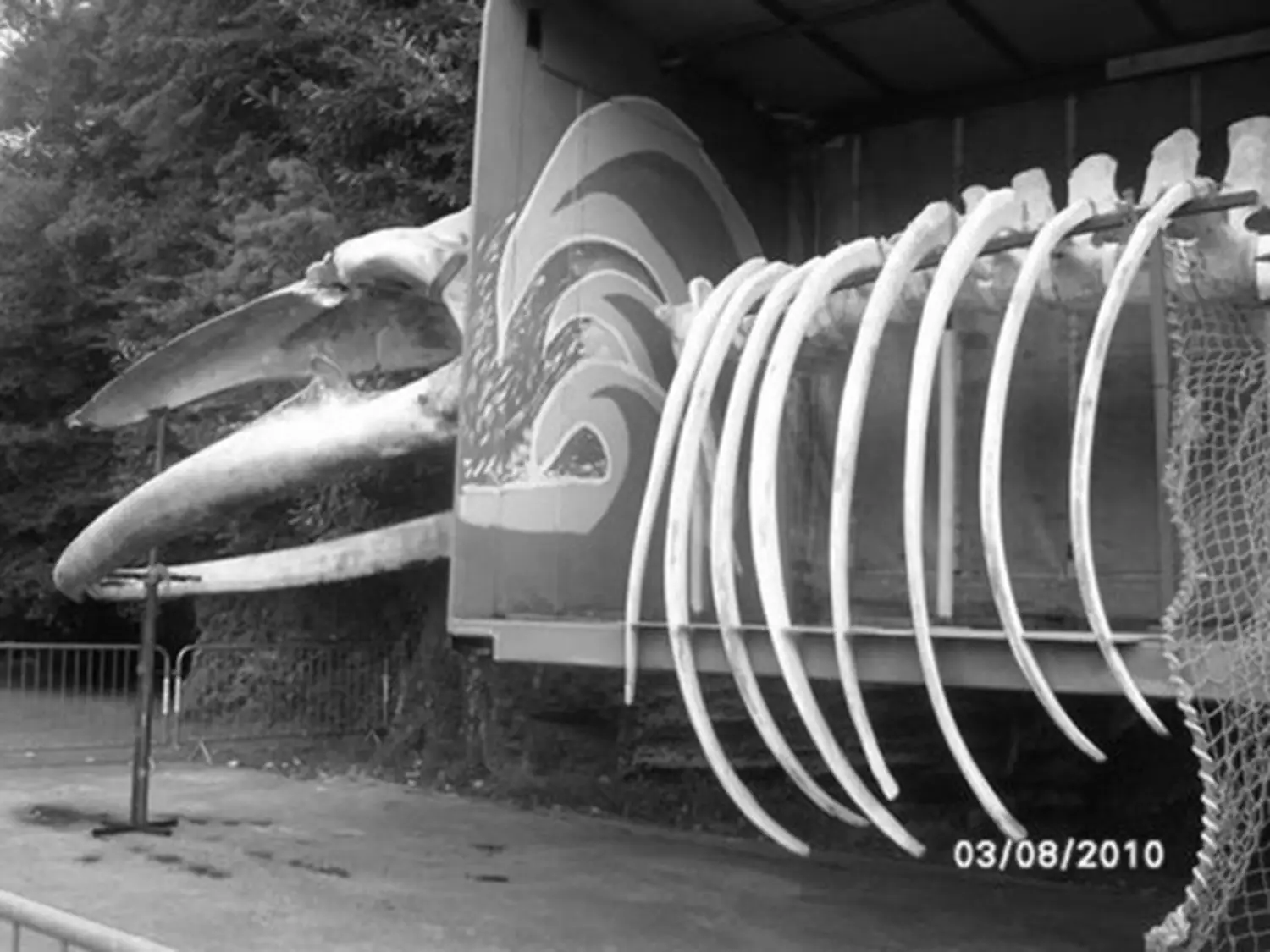
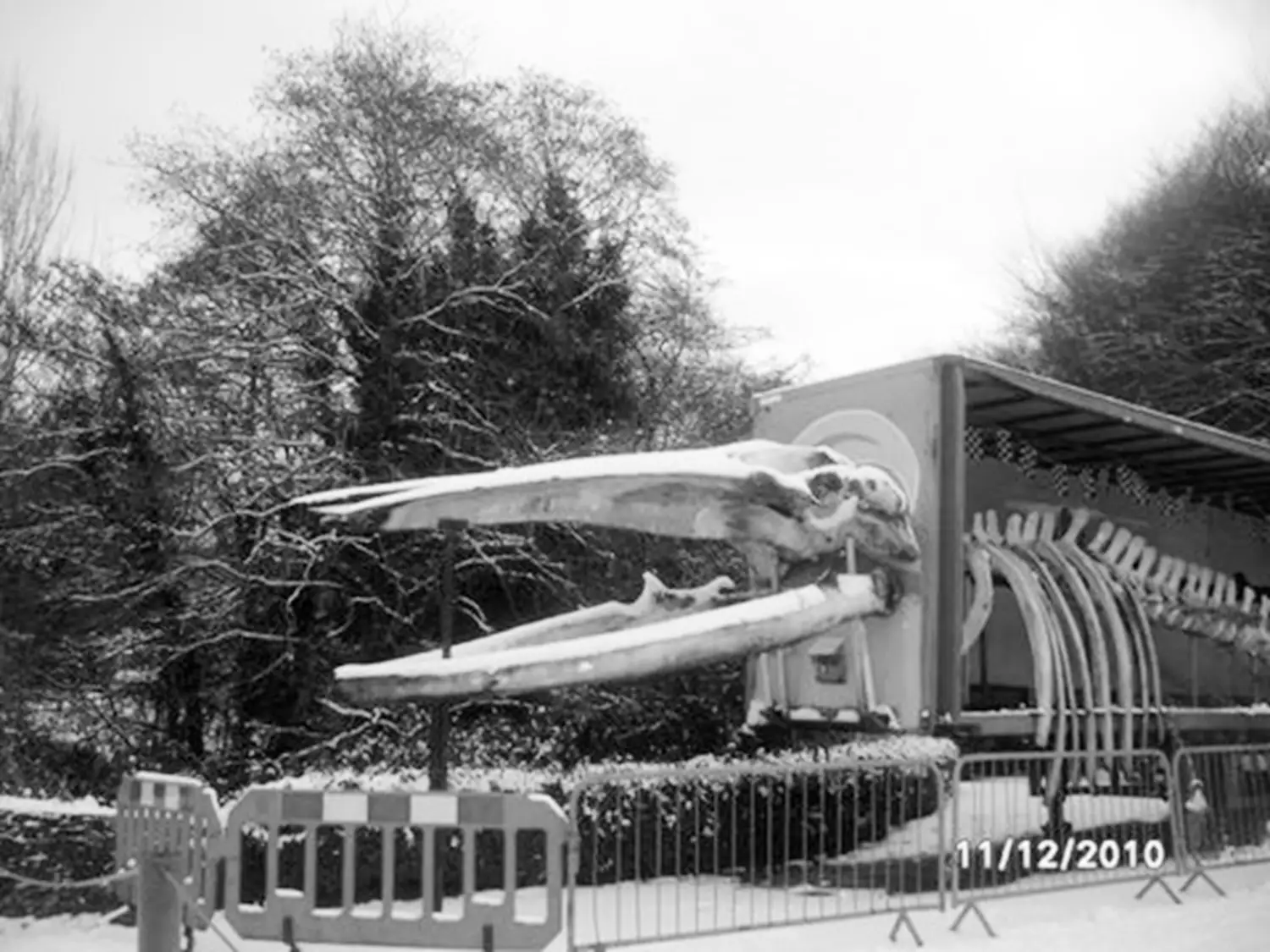
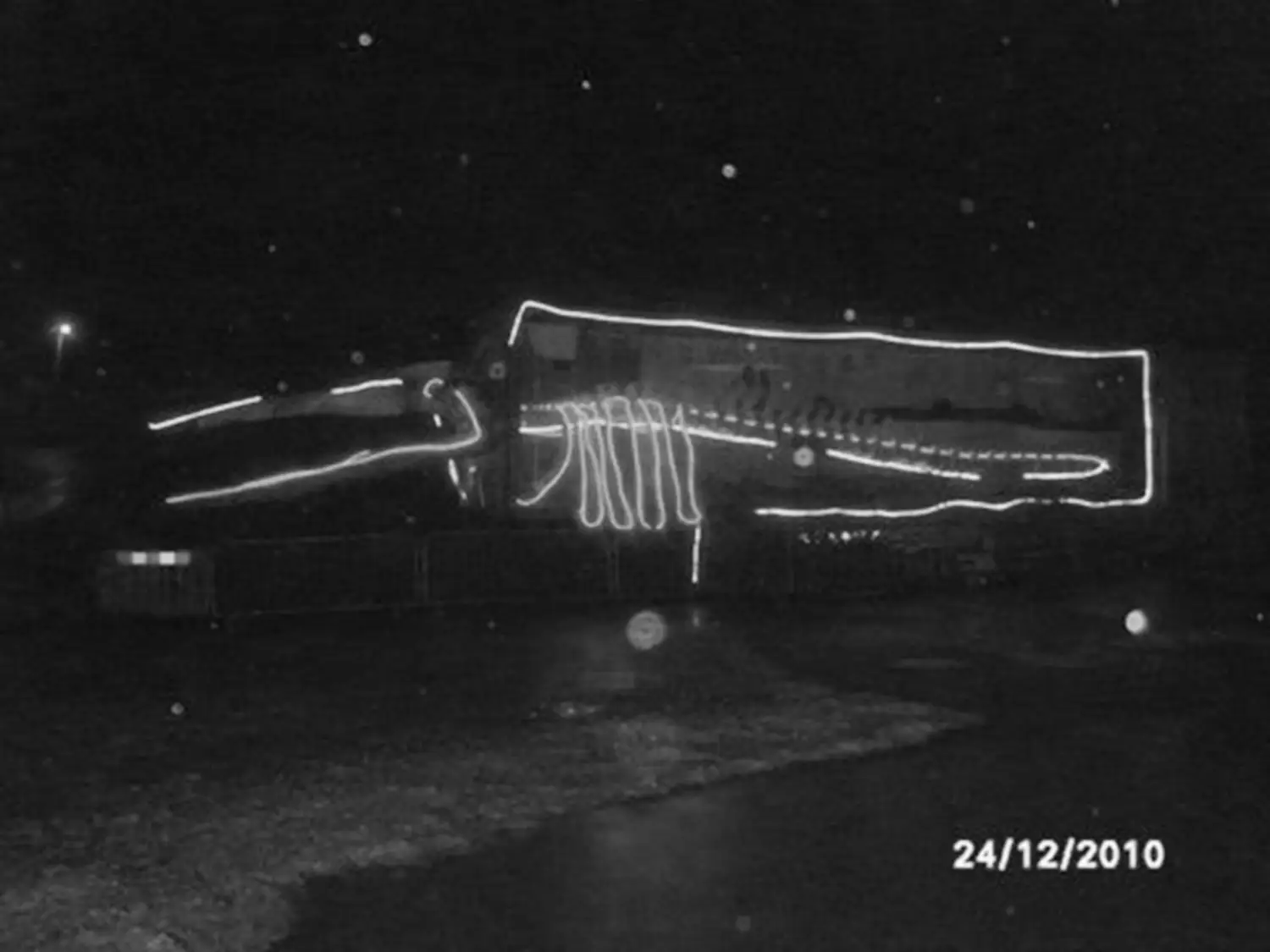
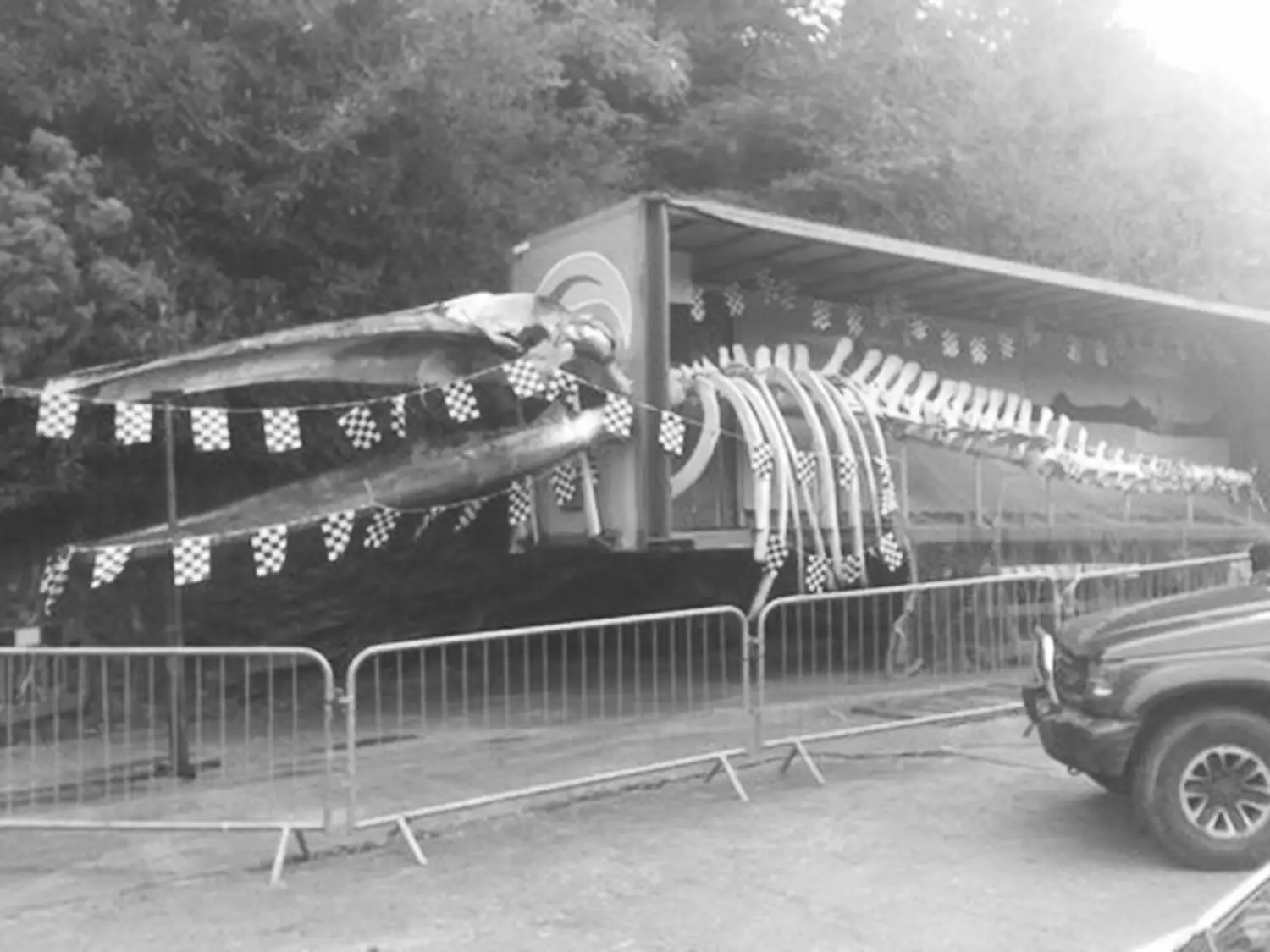
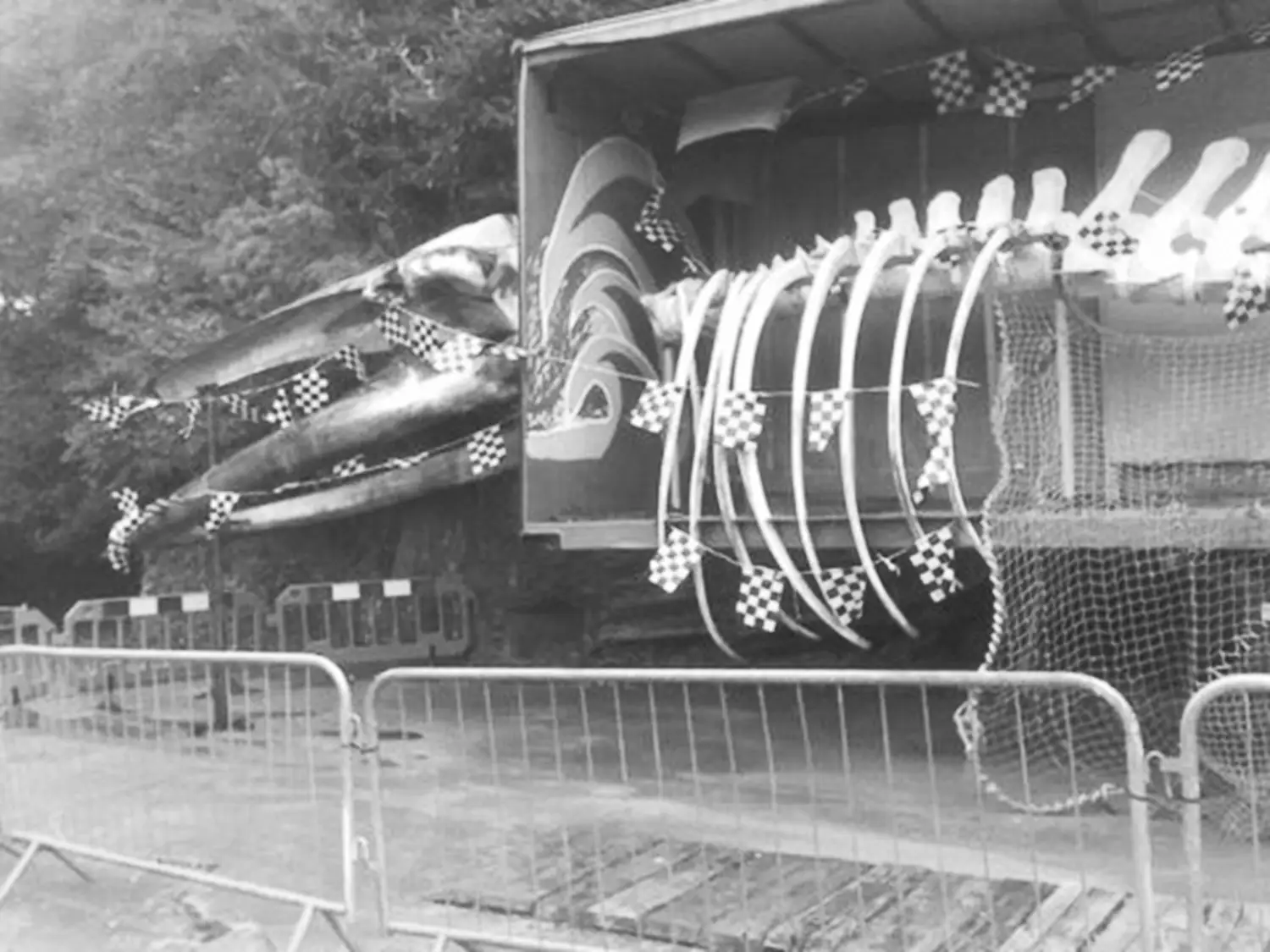
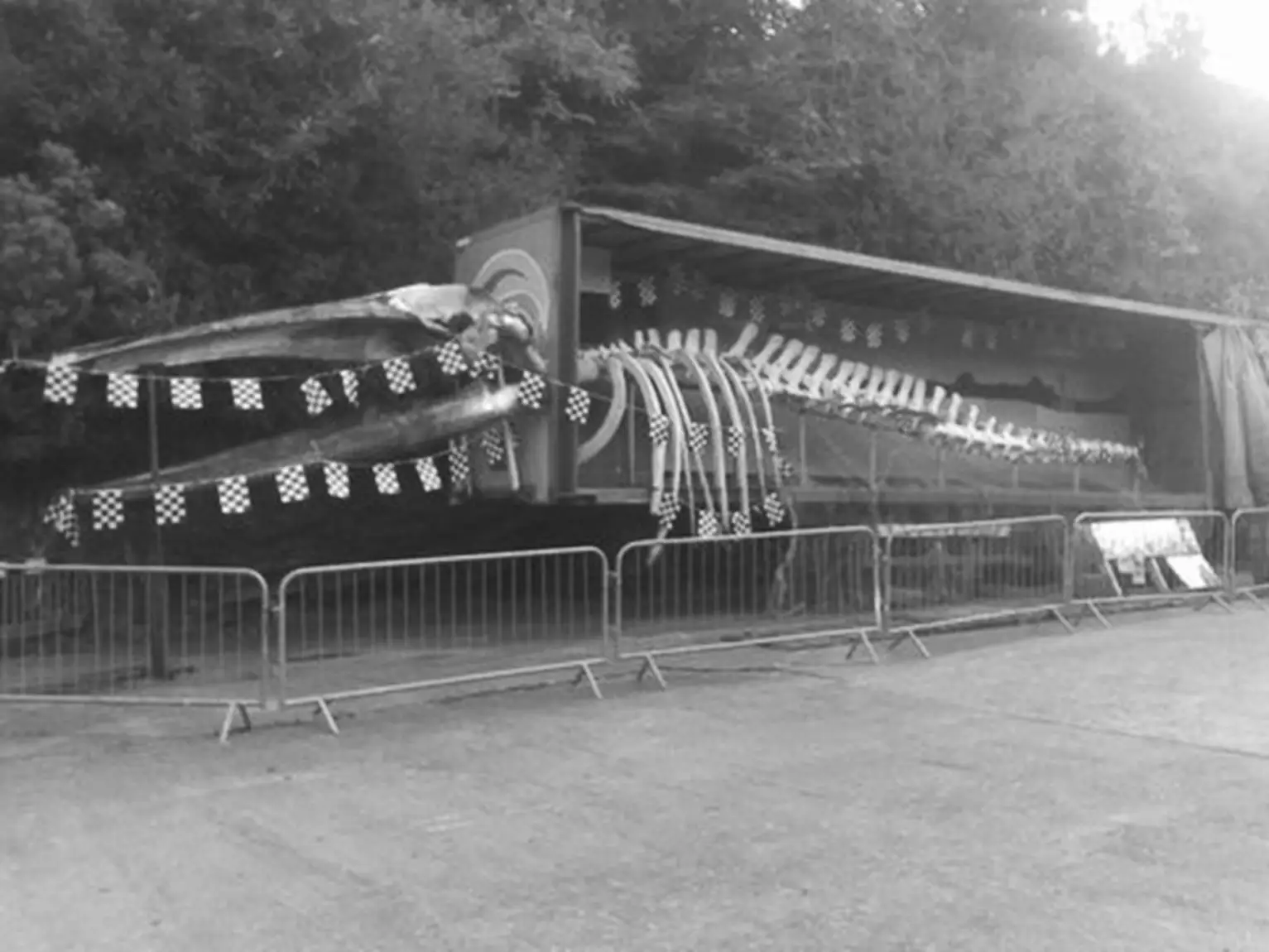
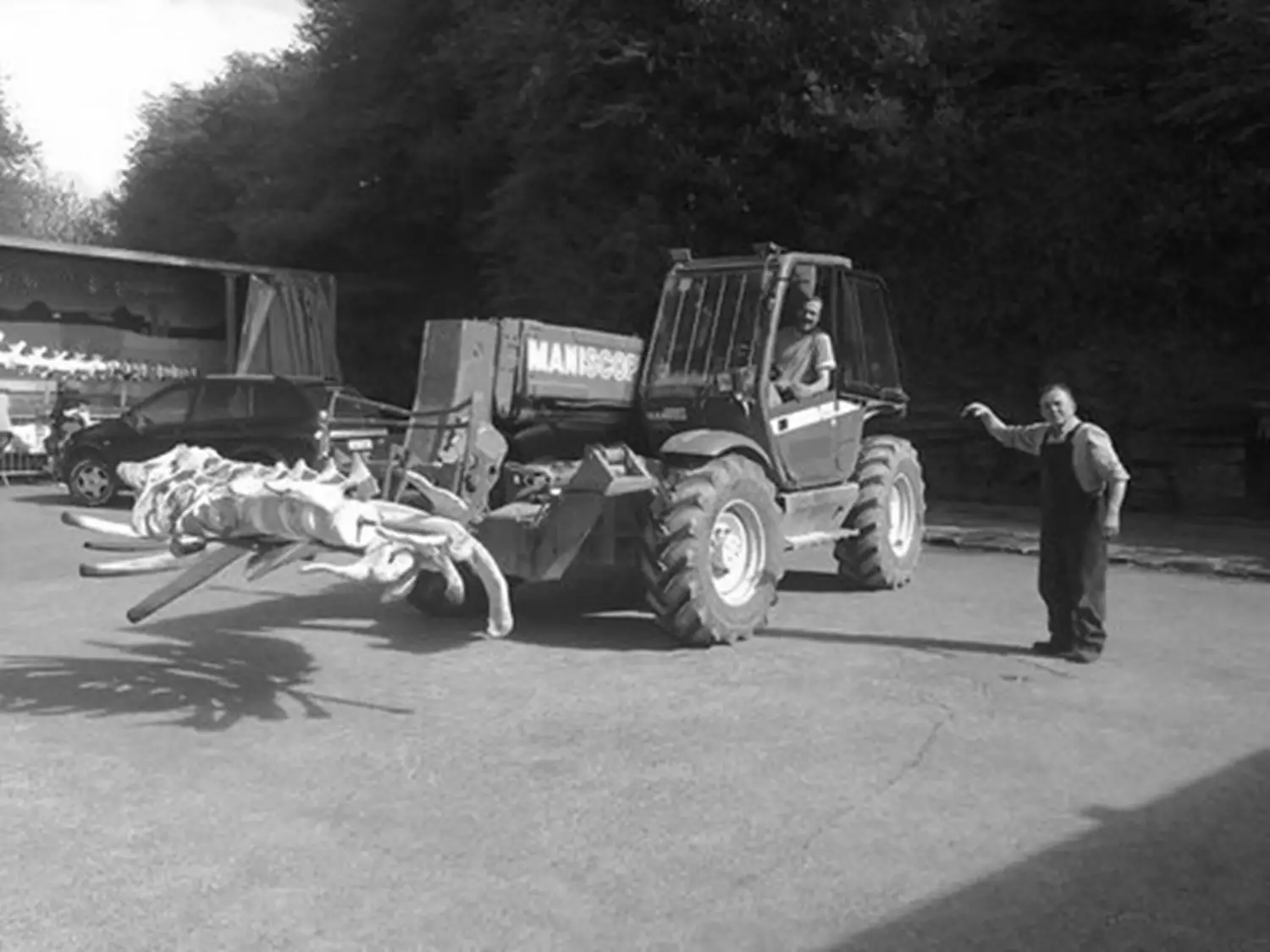
Before the custom-built structure, the whale was displayed for a short time on the back of a truck trailer — a humble but effective way to let the community and schoolchildren see the progress. It toured briefly, allowing people to stand beside the bones and begin to understand their scale.
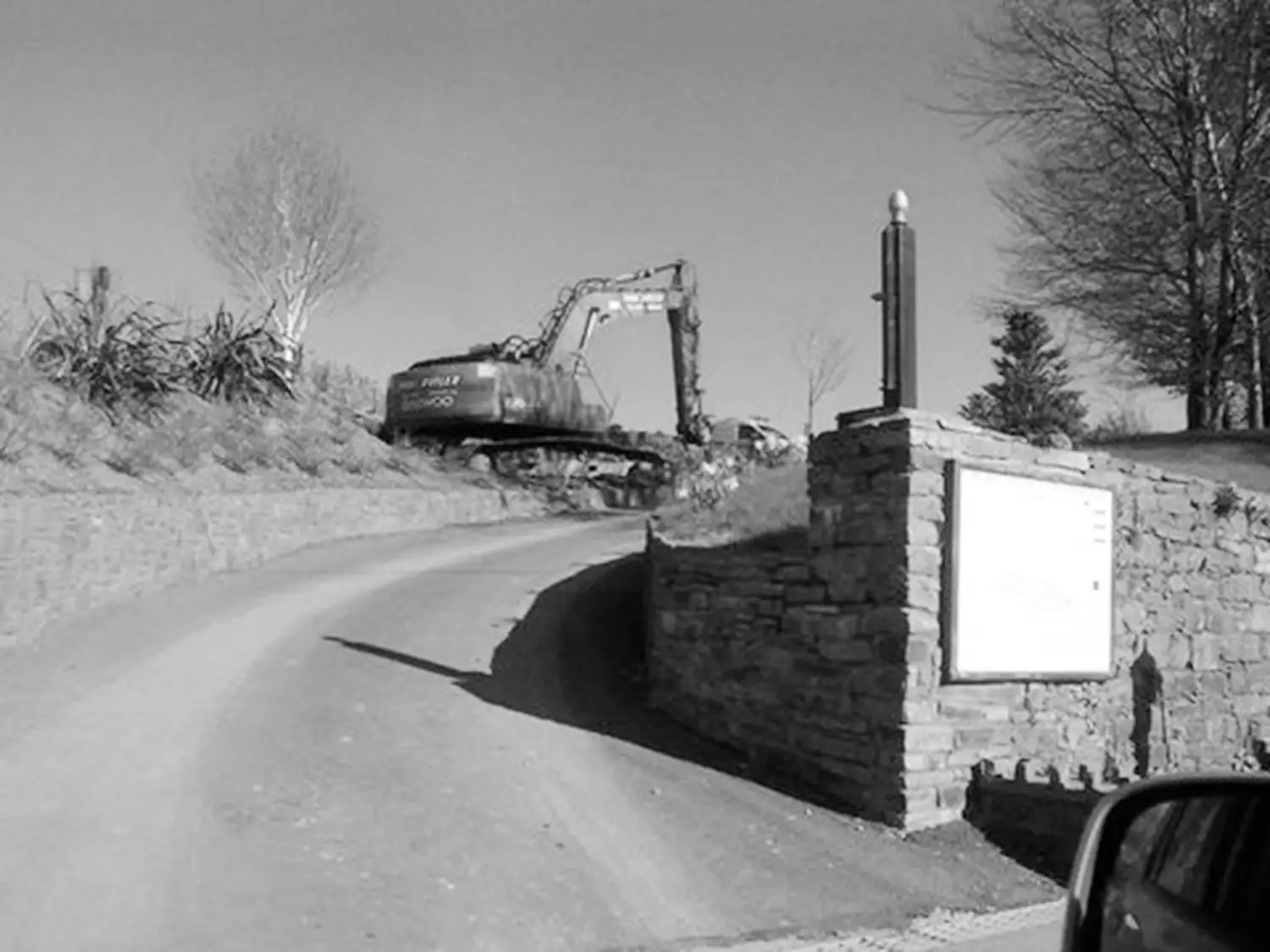
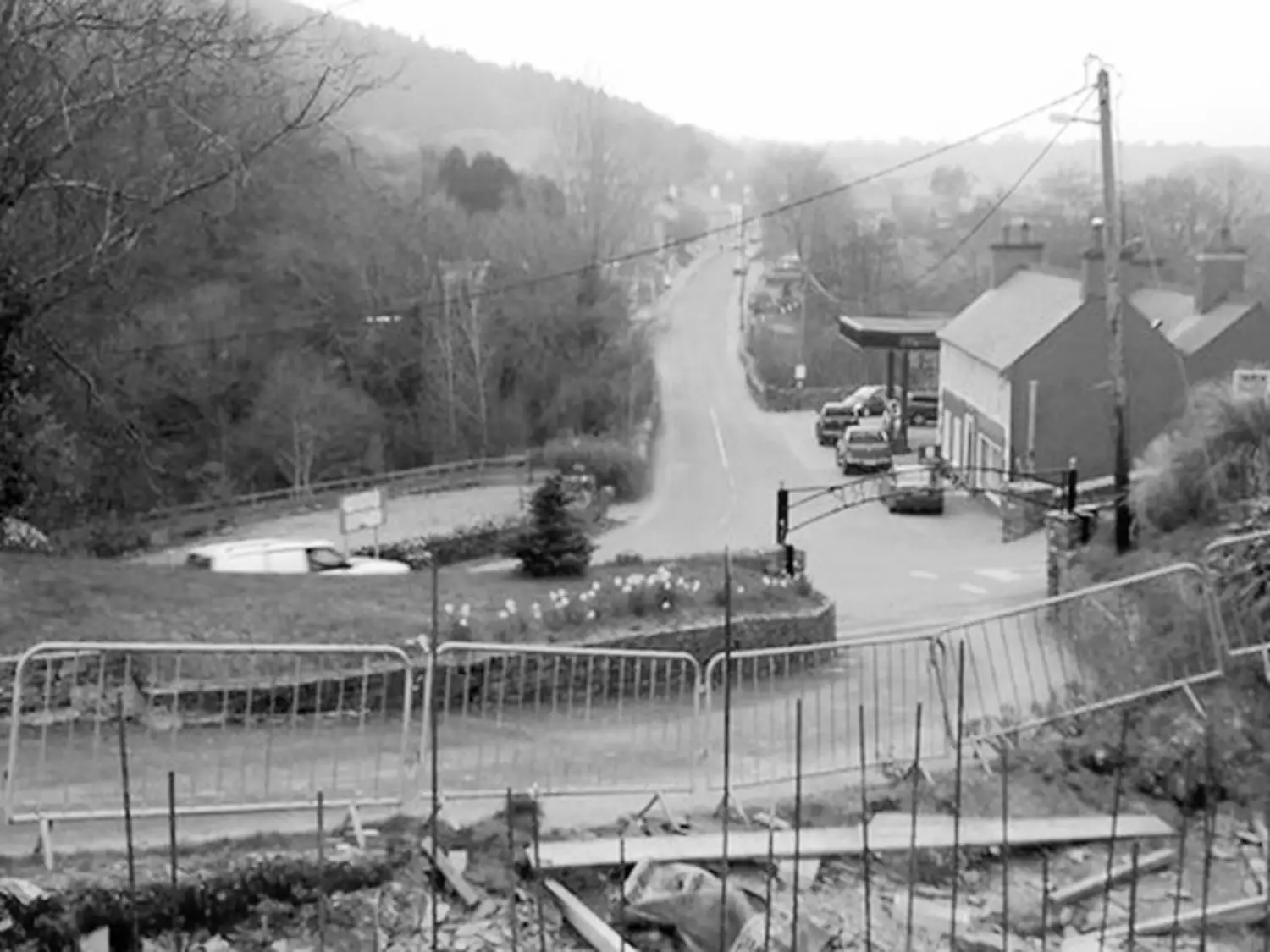
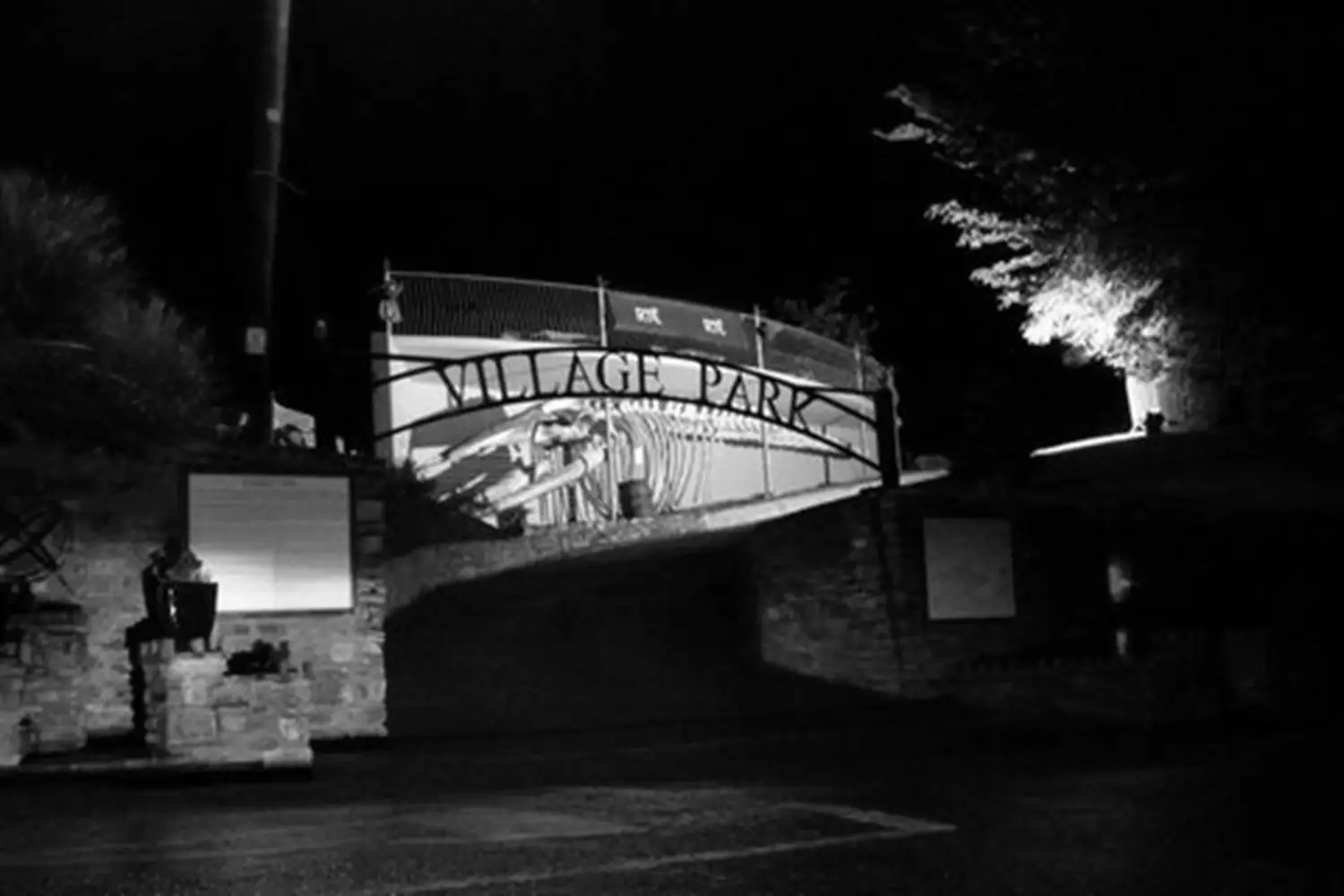
Eventually, with planning and care, the skeleton was moved to a more natural and peaceful setting near Kilbrittain Castle. Surrounded by woodland, a picnic area, and quiet walking paths, the whale now rests in a place where families visit, children play, and curious visitors come to learn.
National television. Global interest. A local story shared.
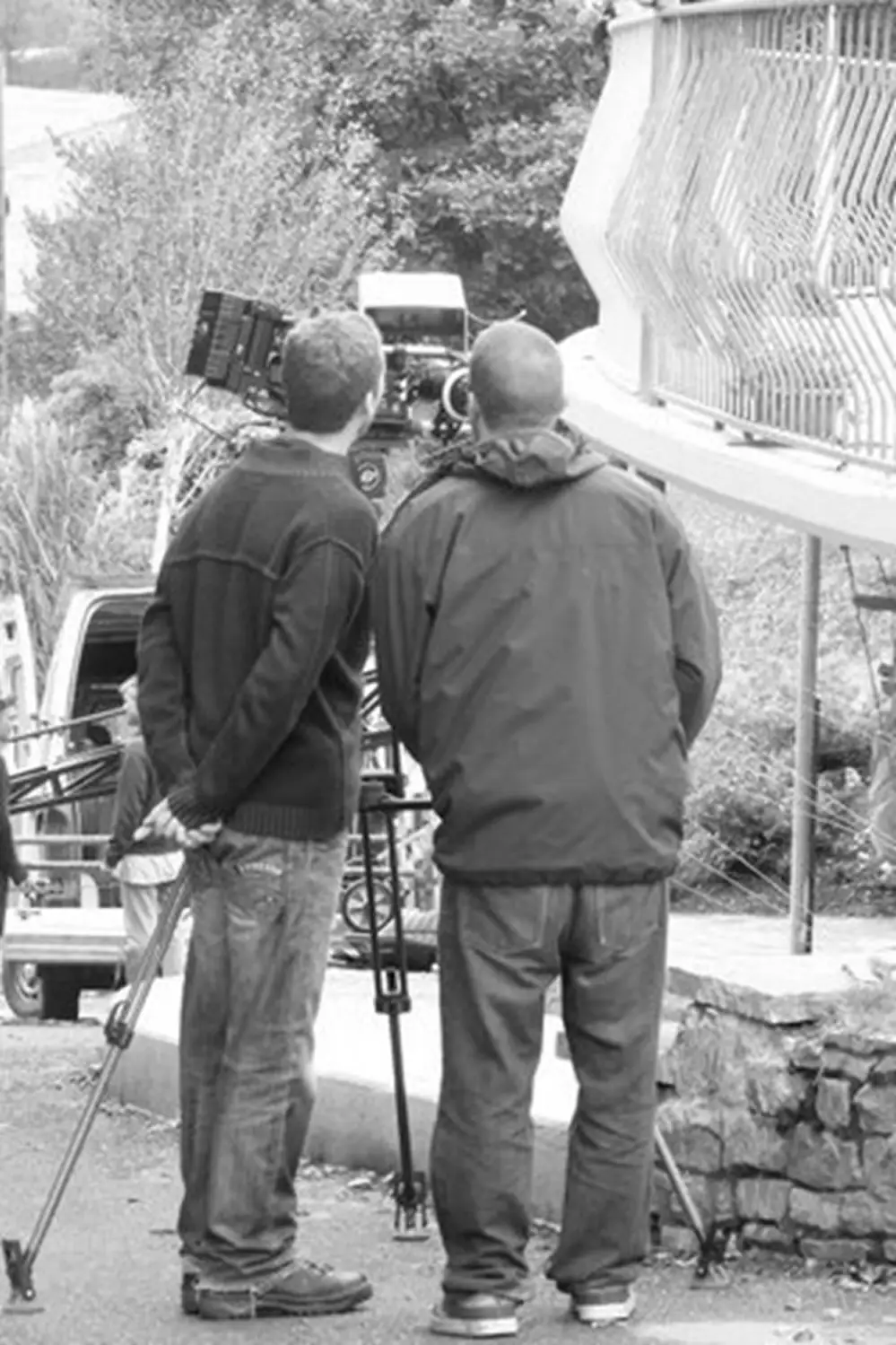
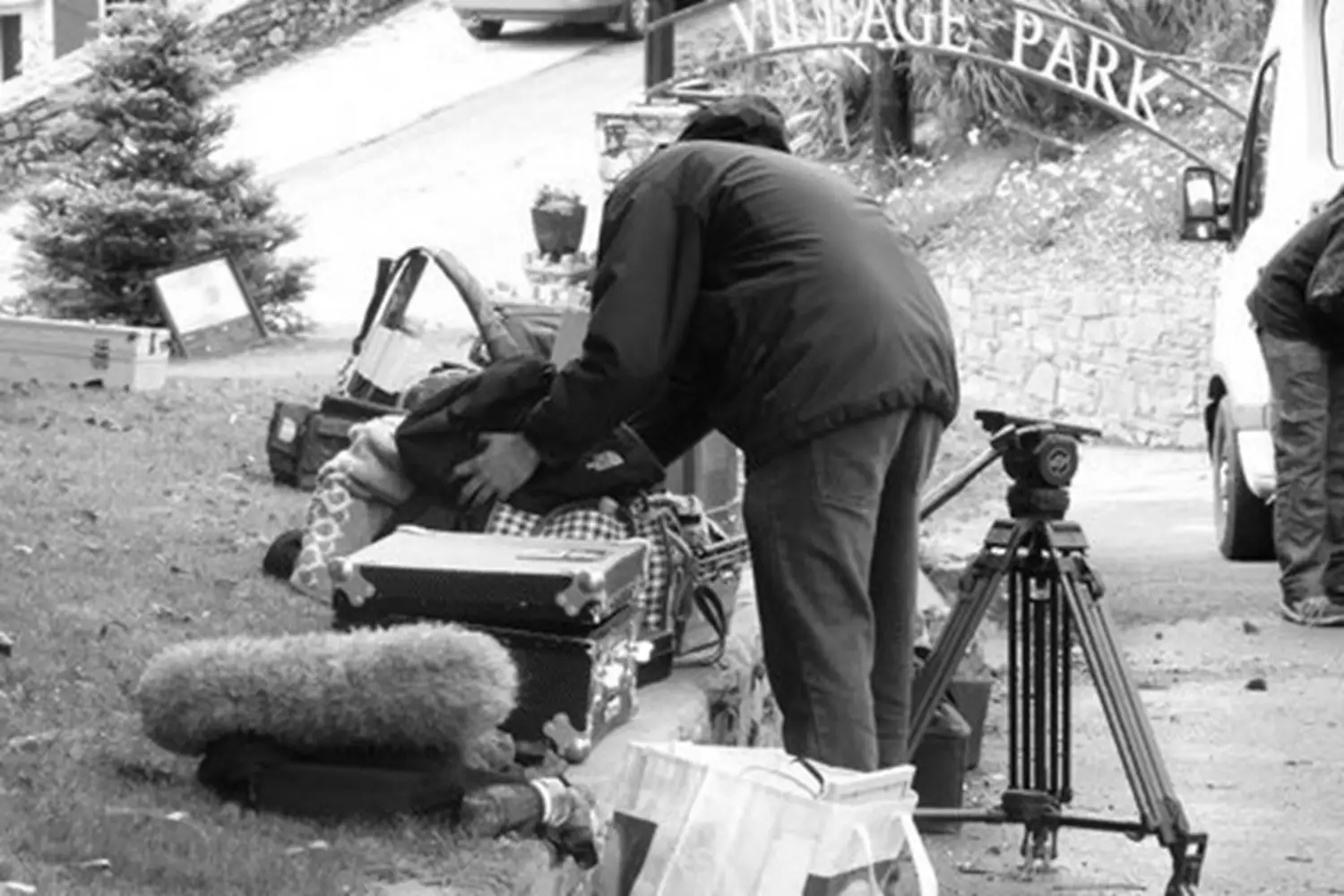
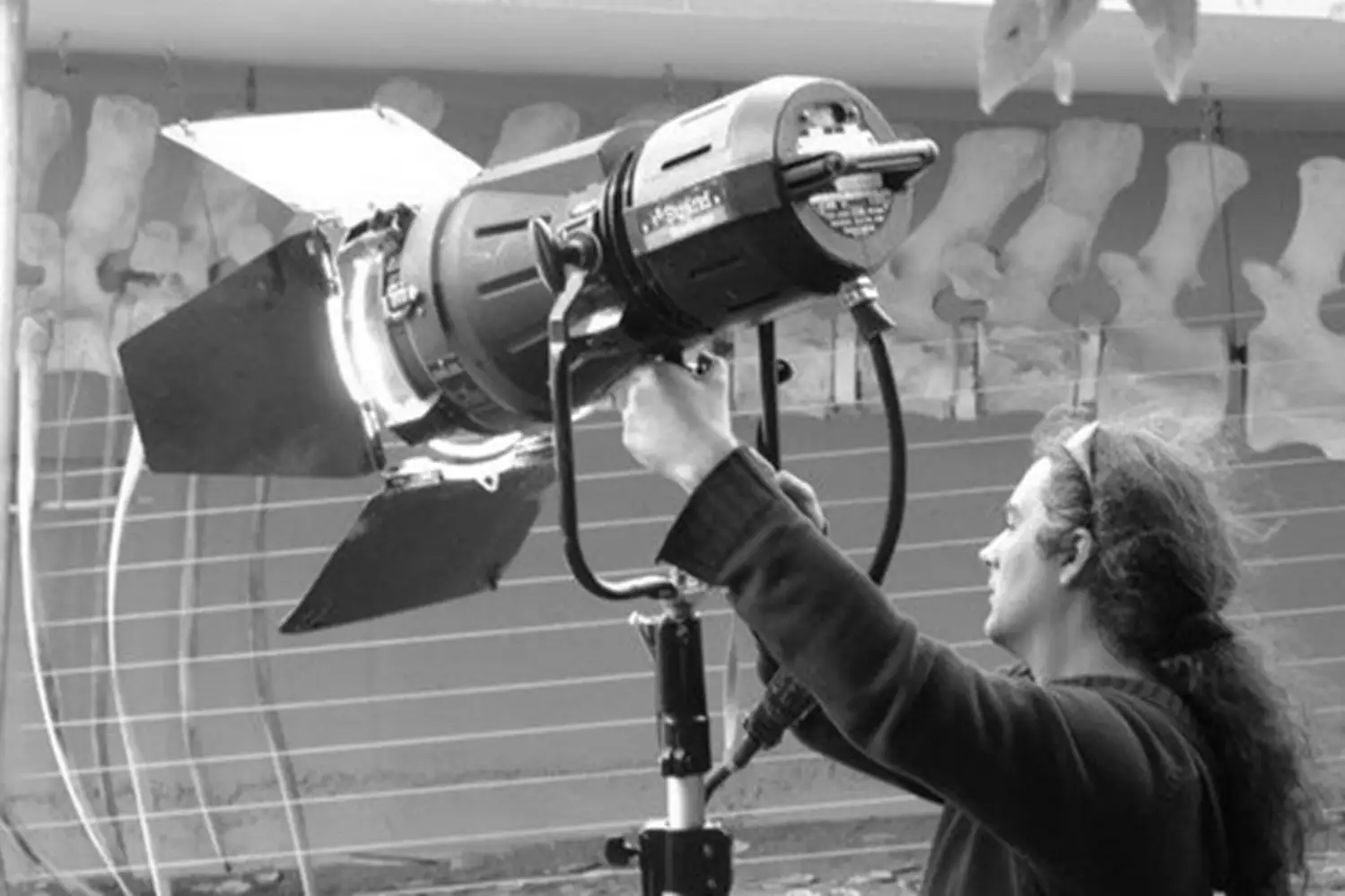
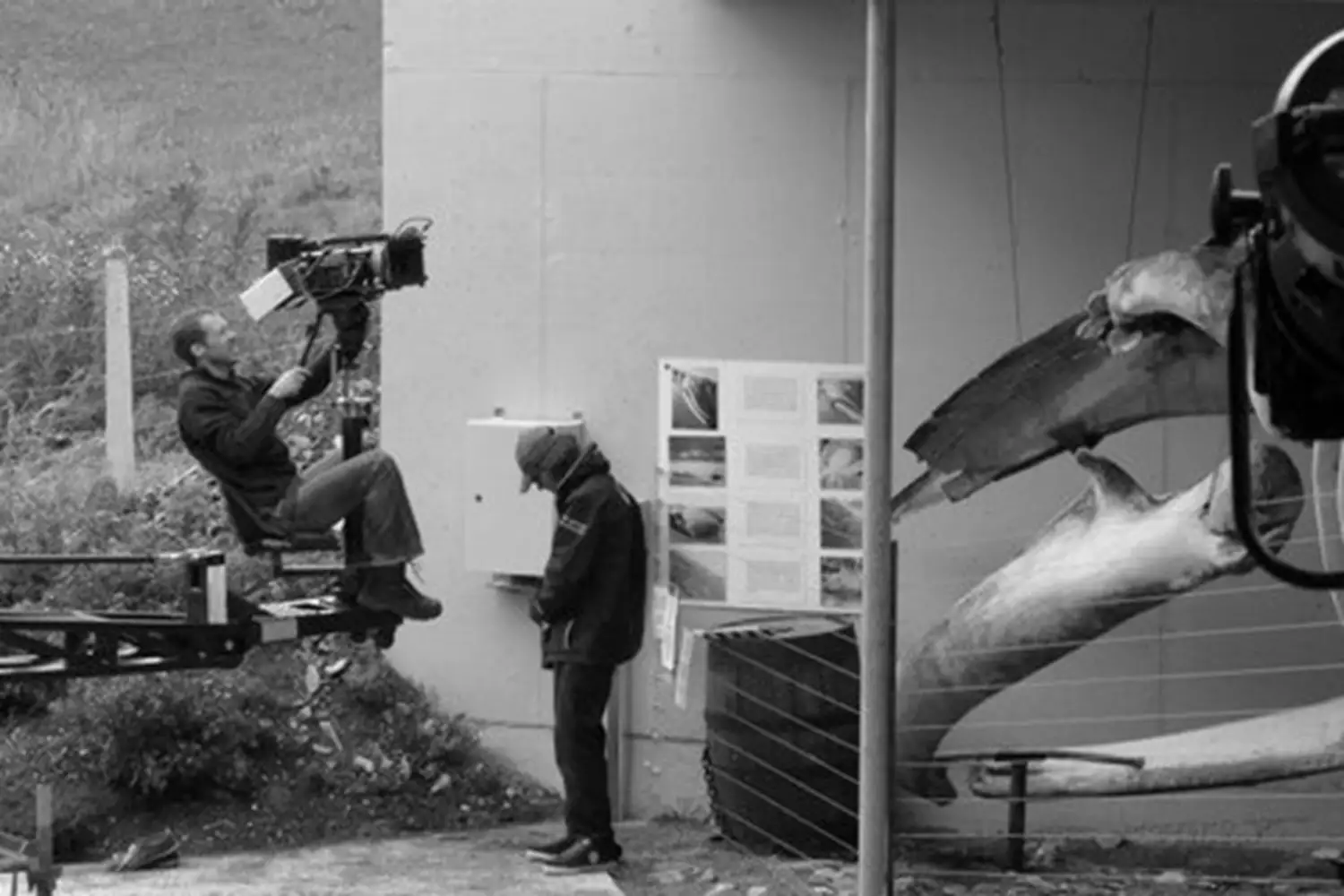
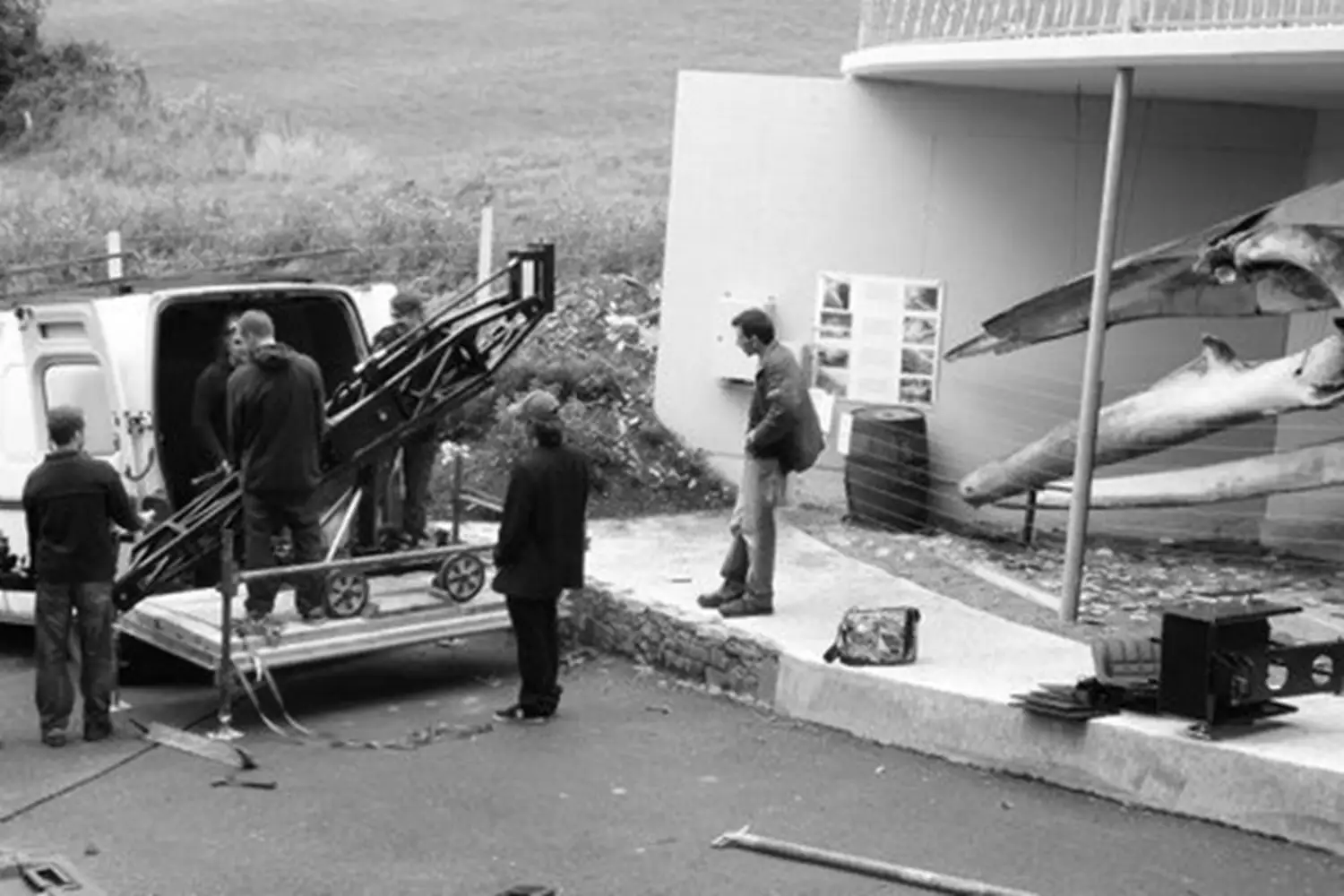
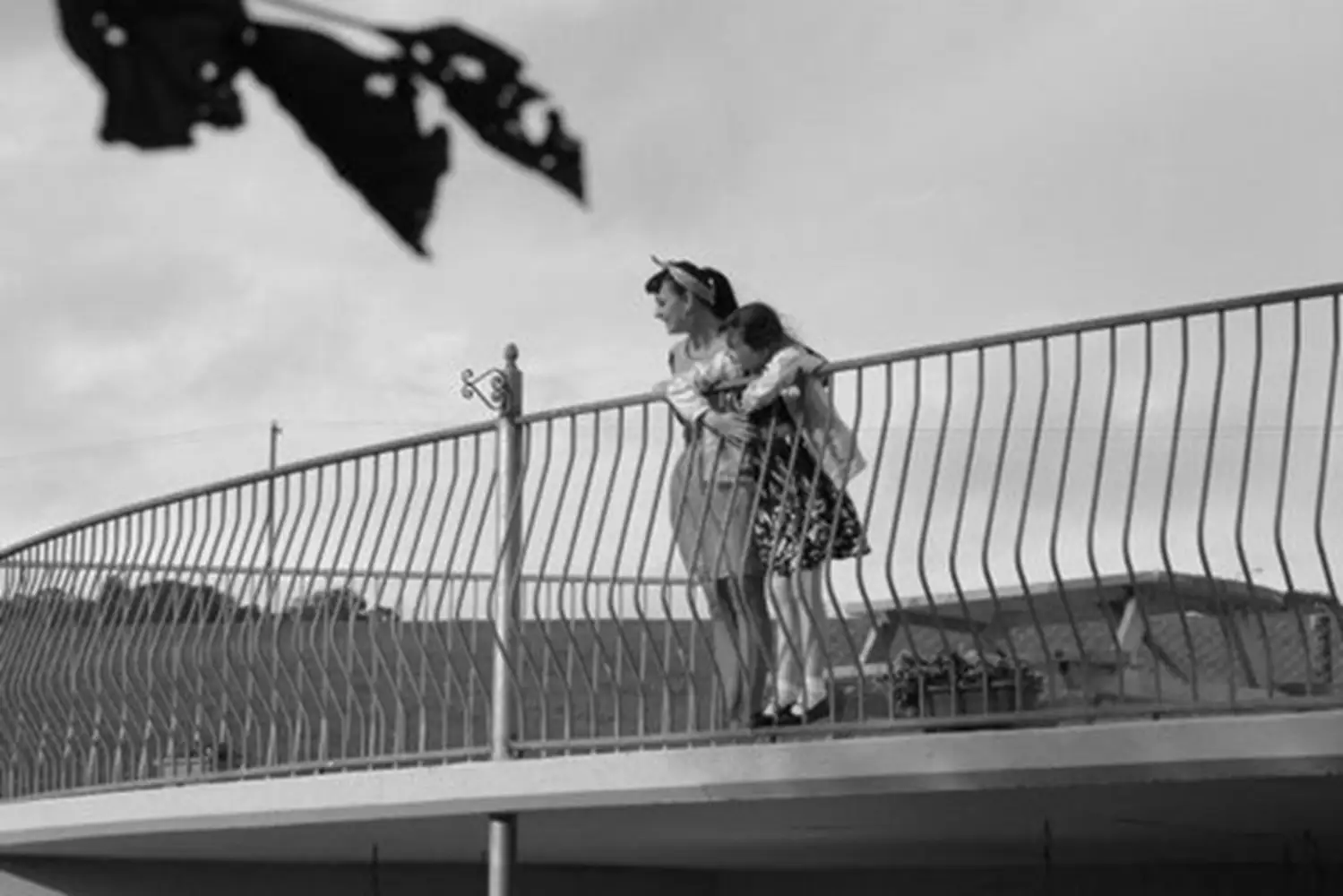
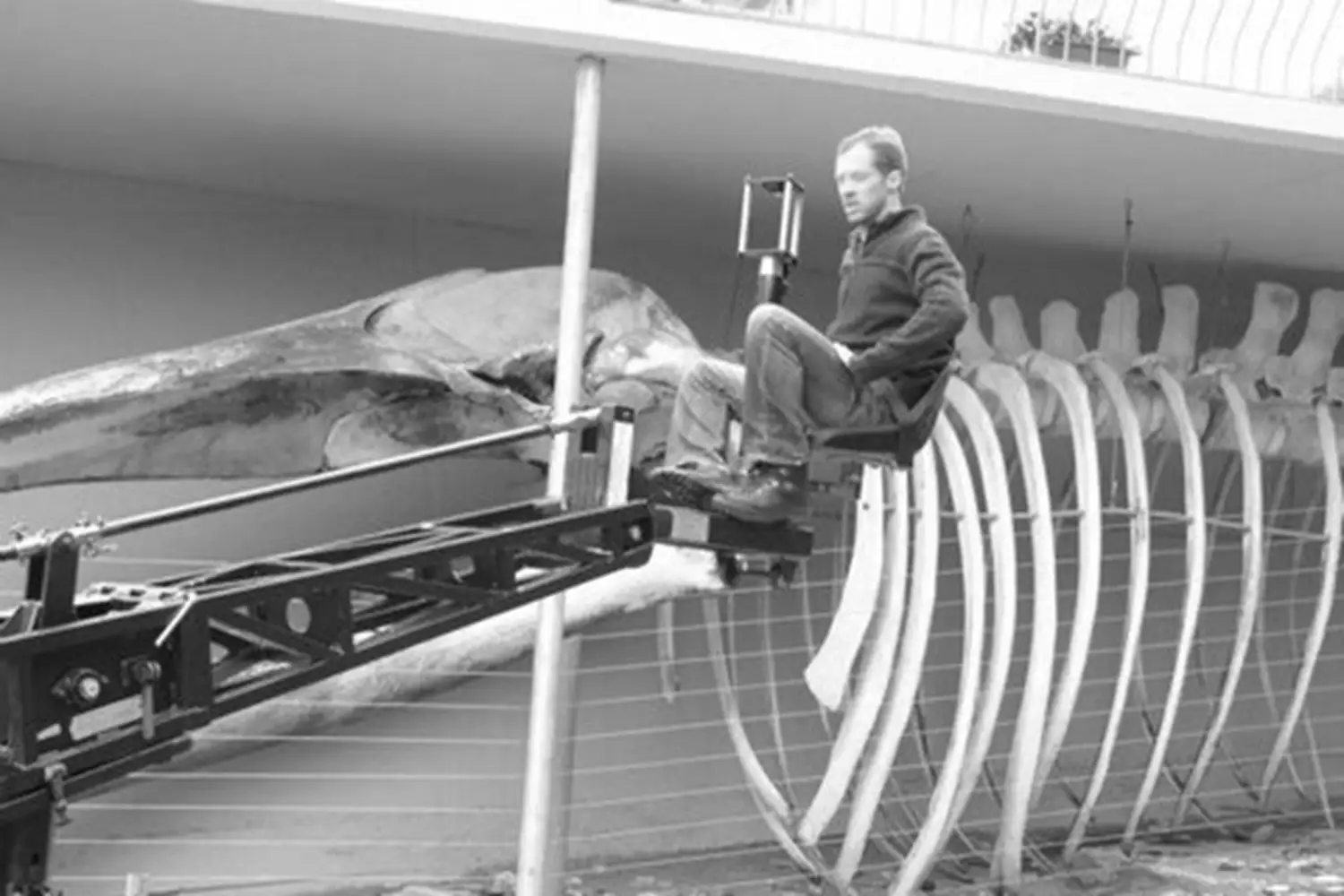
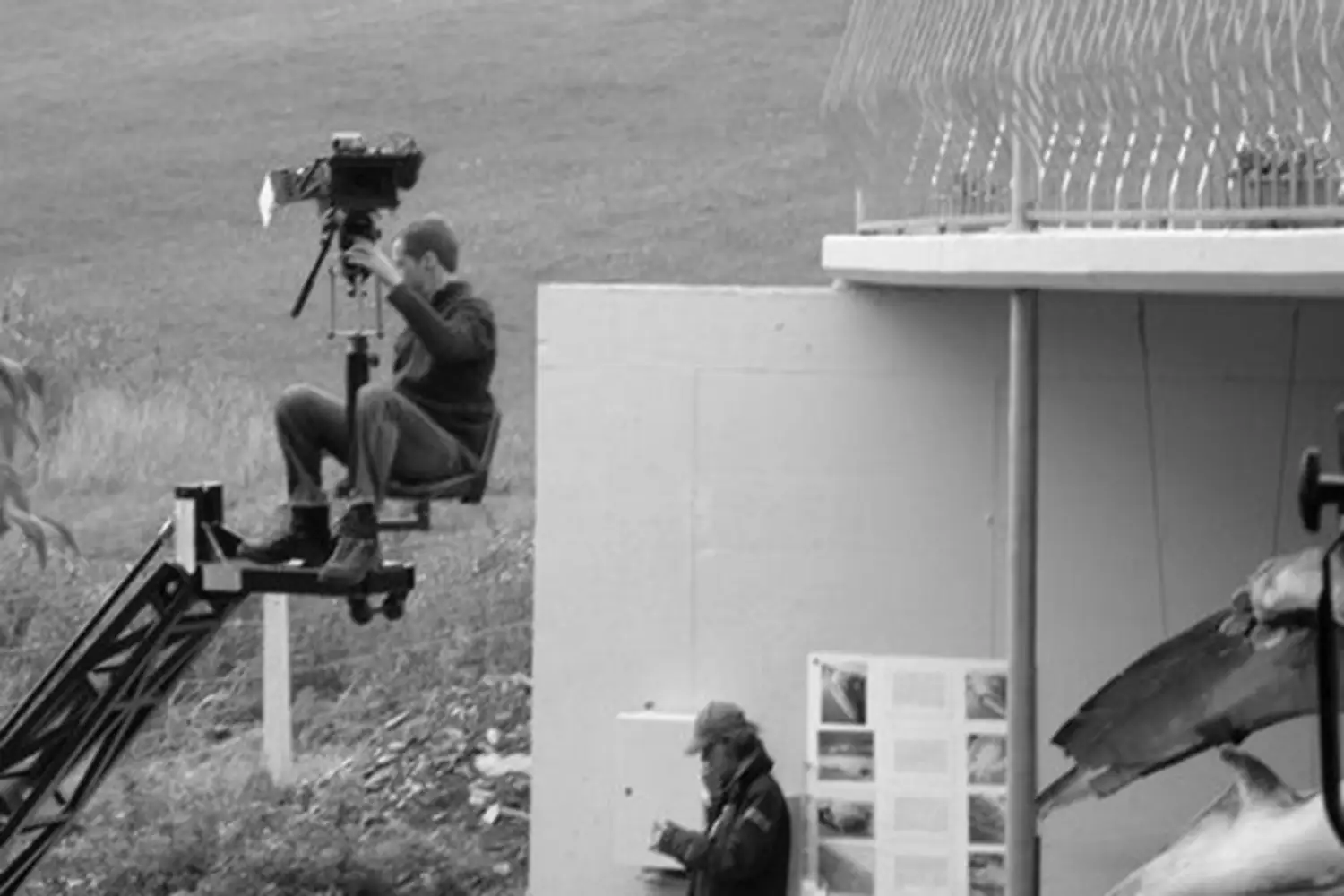
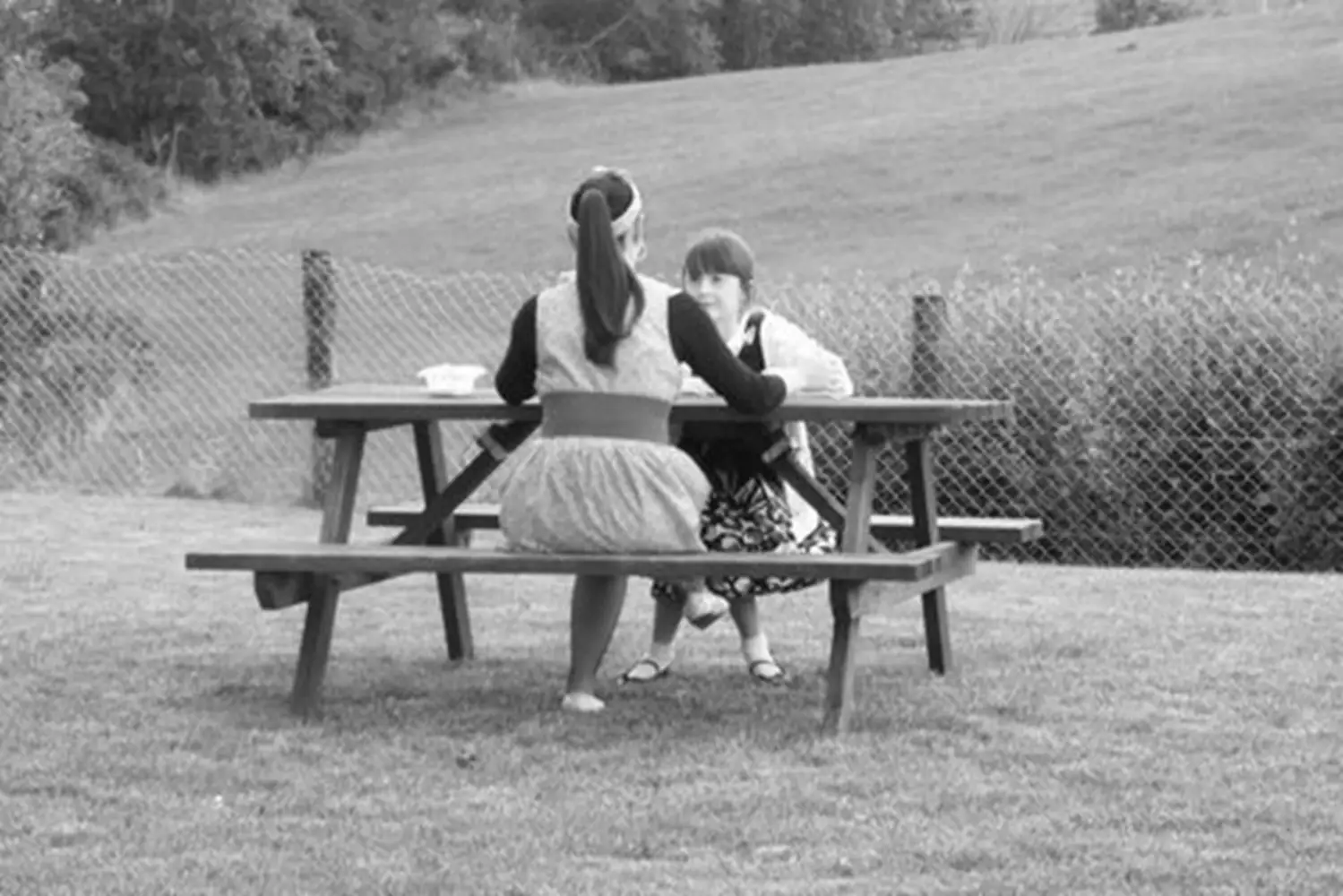
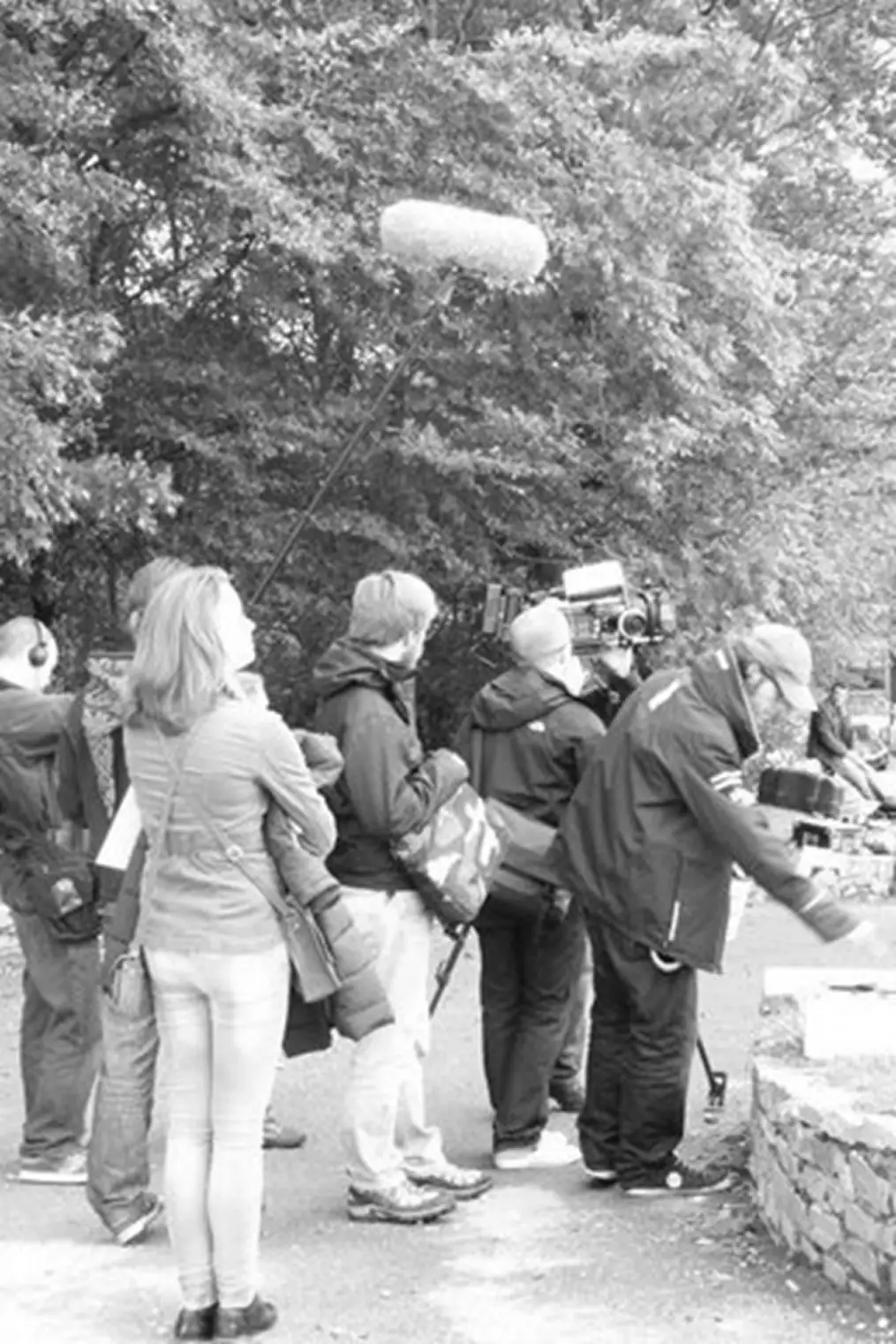
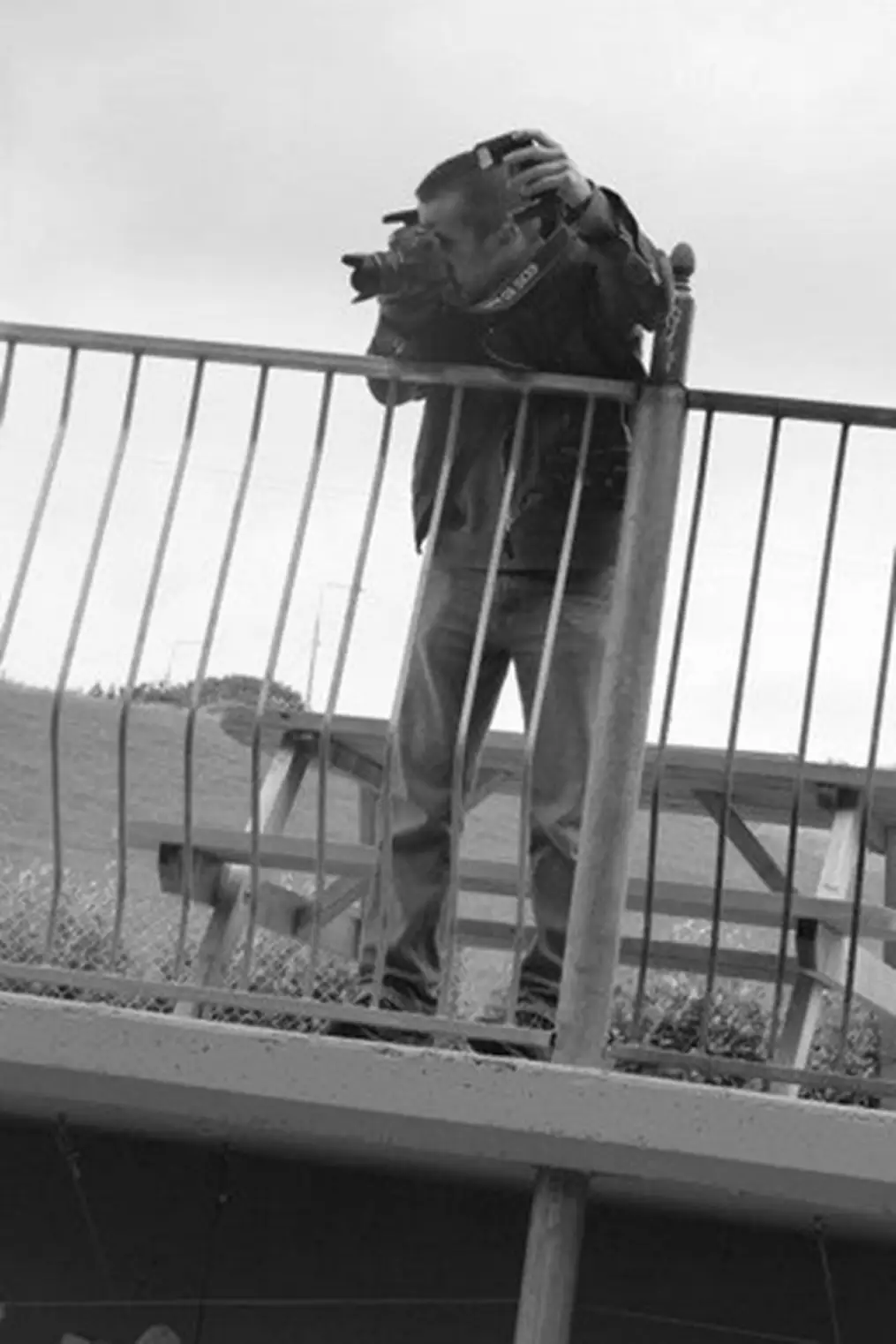
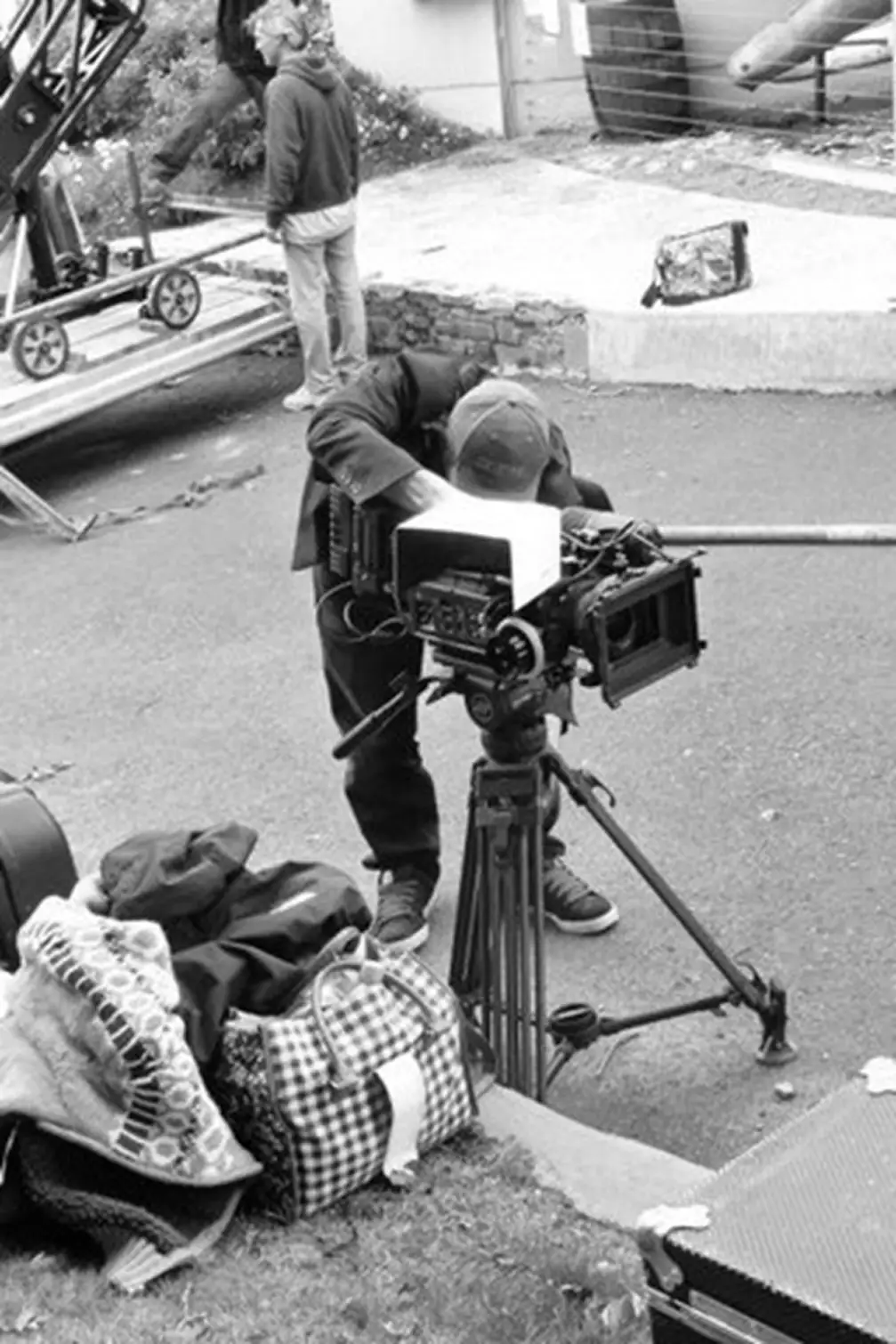
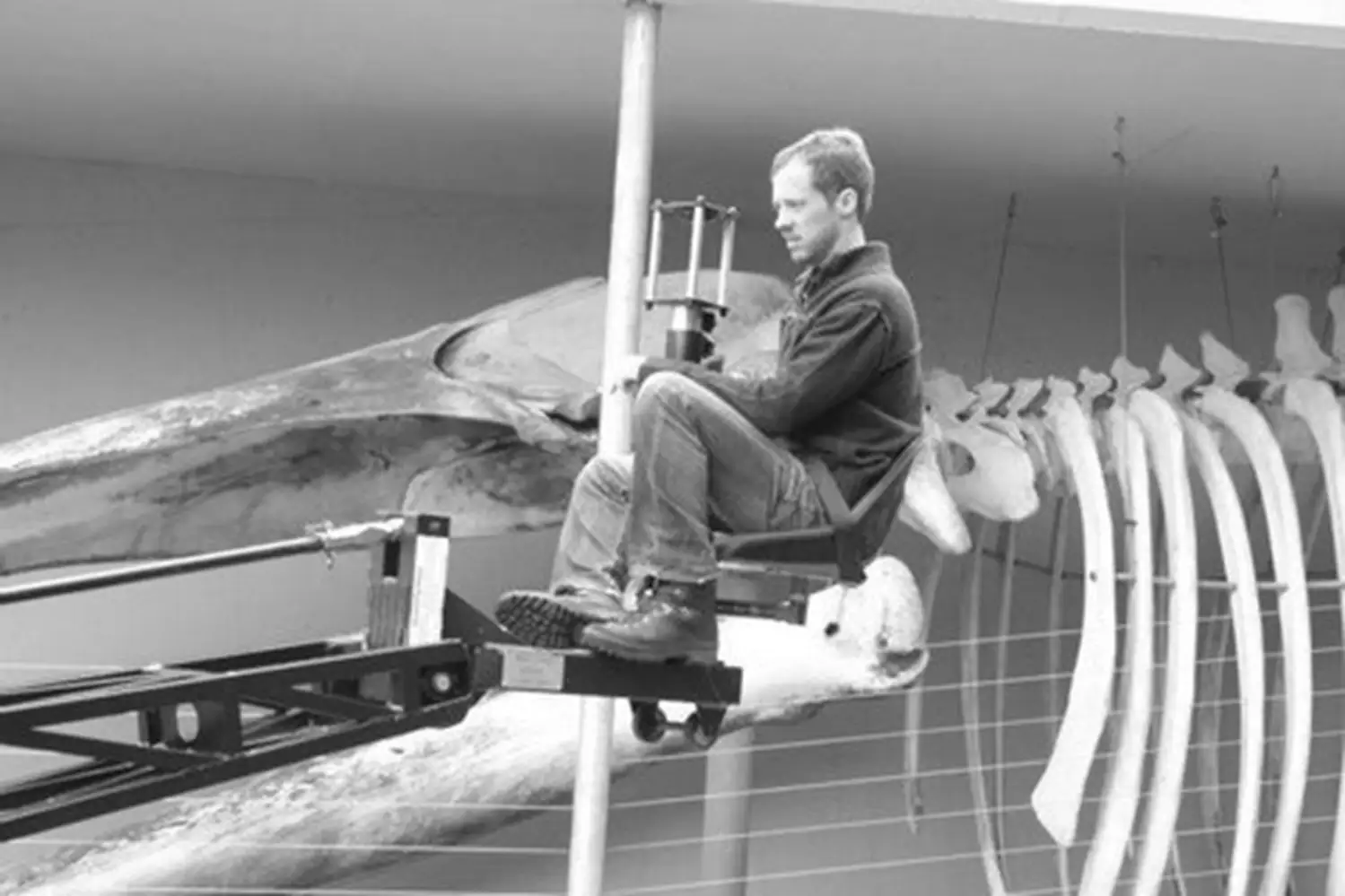
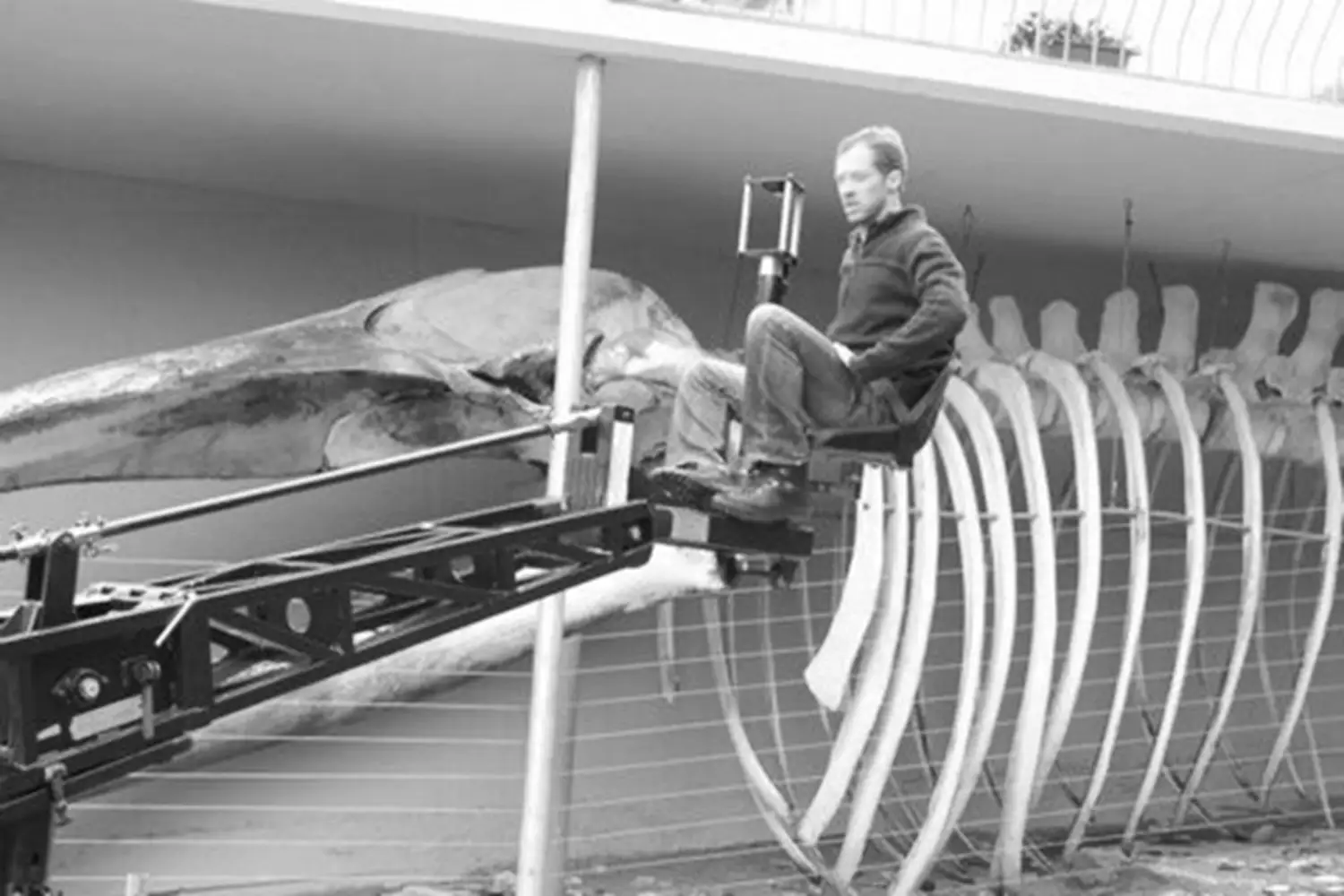
From the beginning, the Kilbrittain Whale drew attention — not just from locals, but from across Ireland and beyond. The scientific autopsy was filmed by Channel 4, led by marine anatomist Professor Joy Reidenberg, and later broadcast as part of an international documentary.
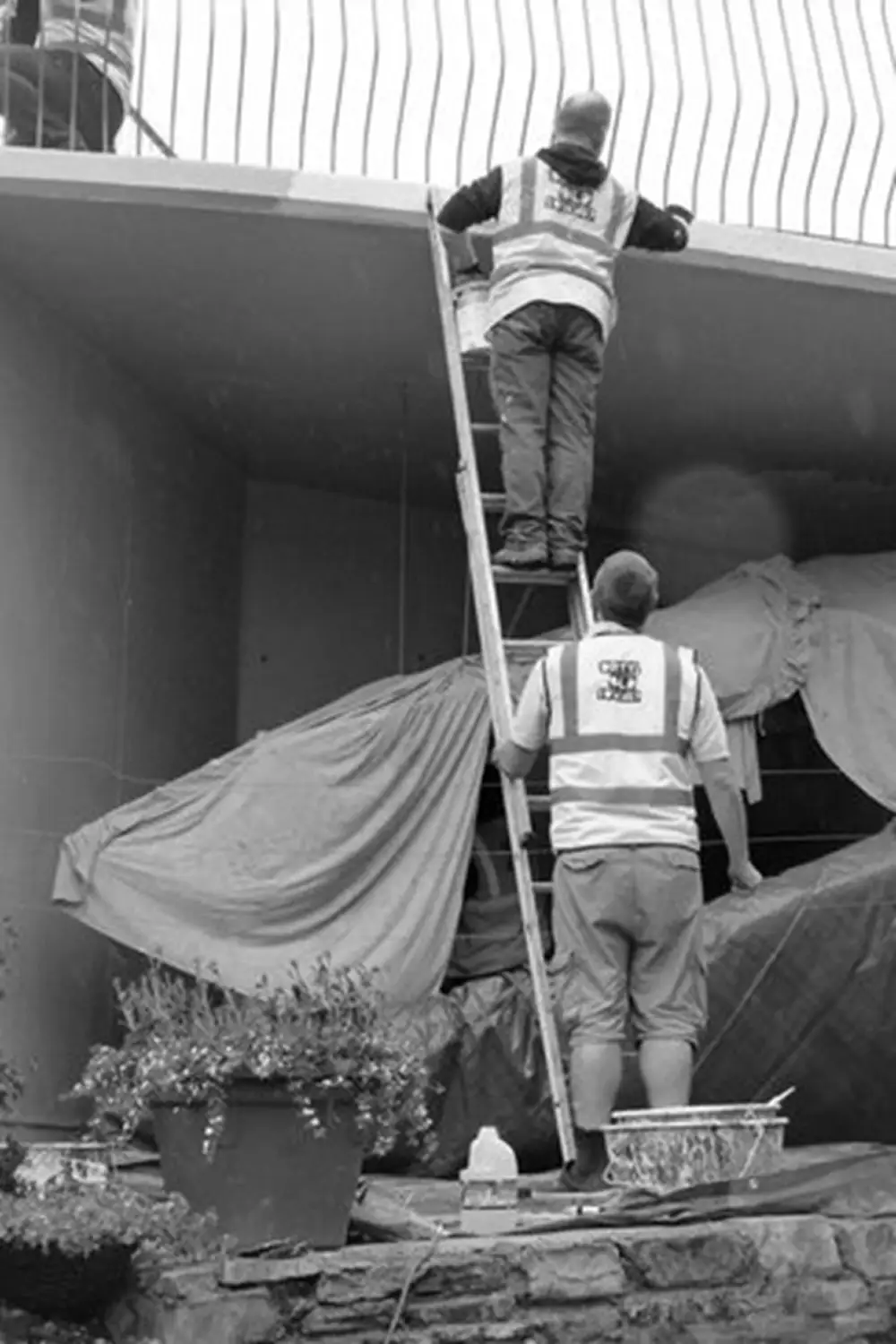
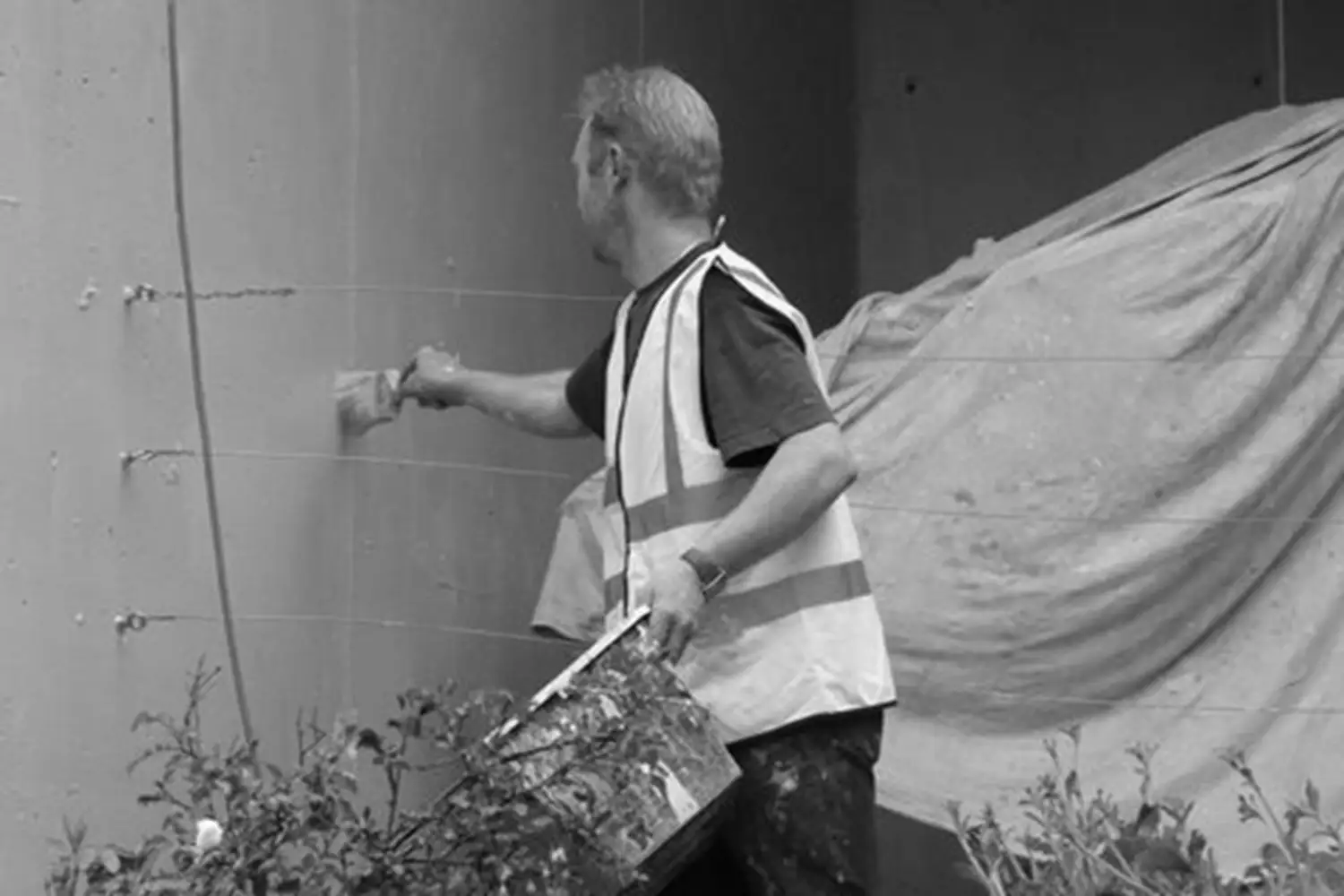
Professional cameras followed the process from beach to bones. The final display, too, was given a thoughtful touch — including the inside walls of the shelter, painted in a soft ocean blue, creating a sense of immersion and dignity.
Media coverage helped tell the story not just as a scientific event, but as a rare and beautiful example of what a community can achieve when united by purpose.
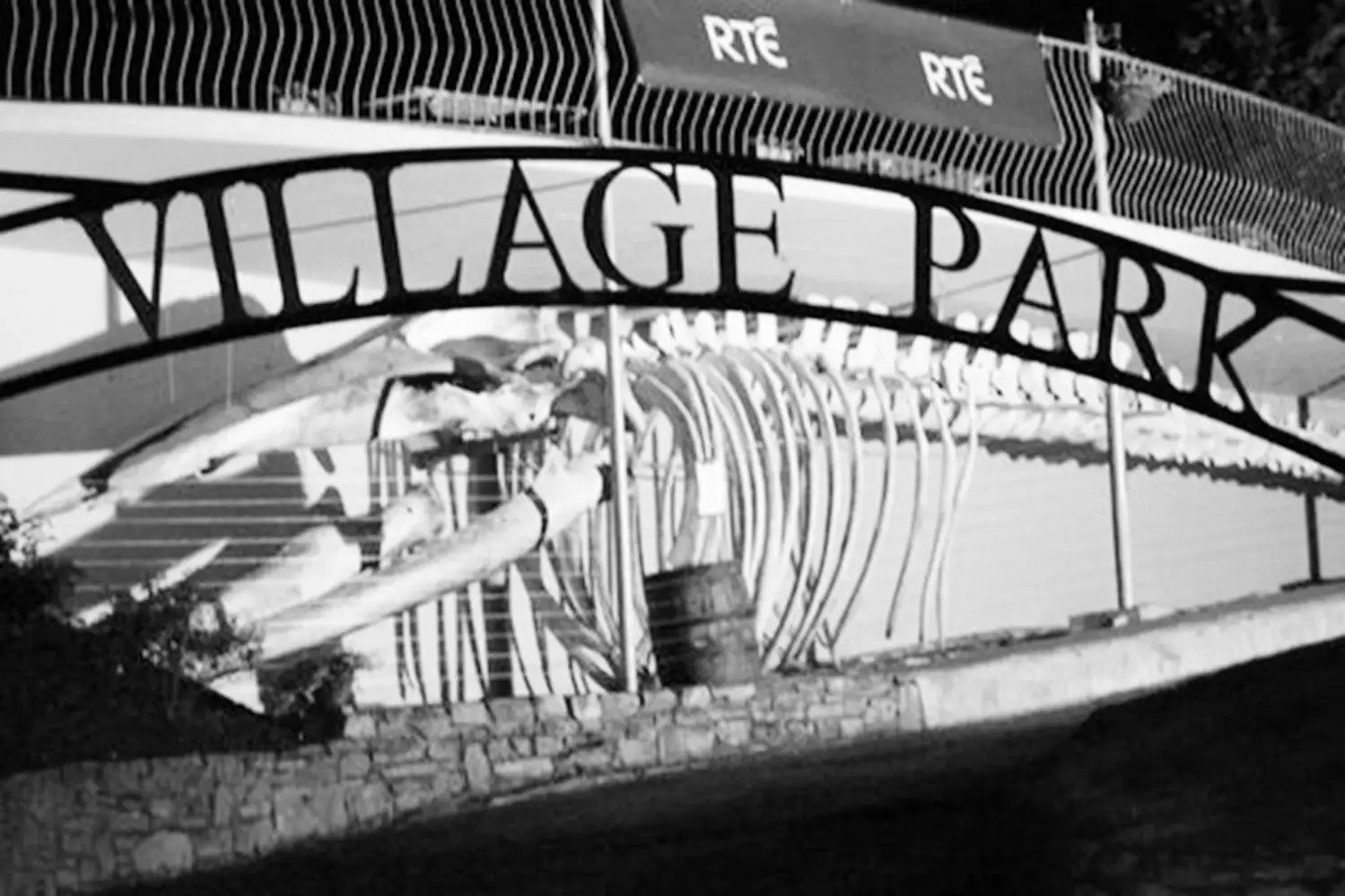
The legacy continues — and so does the work.
Today, the Kilbrittain Whale is more than a display — it’s a living story. It draws visitors, inspires children, and reminds all who see it of the mystery and scale of the ocean.
But the work is ongoing. The structure needs care. The story needs sharing. Educational materials are being developed, and ideas for events, signage, and tours are growing.
Your support — whether by visiting, donating, or simply telling someone about the whale — helps ensure this legacy endures.
This is the story of how a tragic beaching became a legacy of learning, effort, and respect.
Footage from 2009 – the moment, the community, the legacy.
This short documentary captures the extraordinary journey of the Kilbrittain Whale — from the day it washed ashore, through the scientific autopsy, and into the hands of the local community who preserved its skeleton.
You’ll see the scale of the animal, the conditions faced, and the dedication of the people who came together to honour its story.
Please note
This video includes a few brief scenes that may be upsetting to some viewers, including footage of the deceased whale and moments from the autopsy process. These scenes are part of the historical documentation and reflect the scientific and recovery work involved.
We recommend viewer discretion, especially for younger audiences.
If you’re watching with children, we suggest previewing the video first.
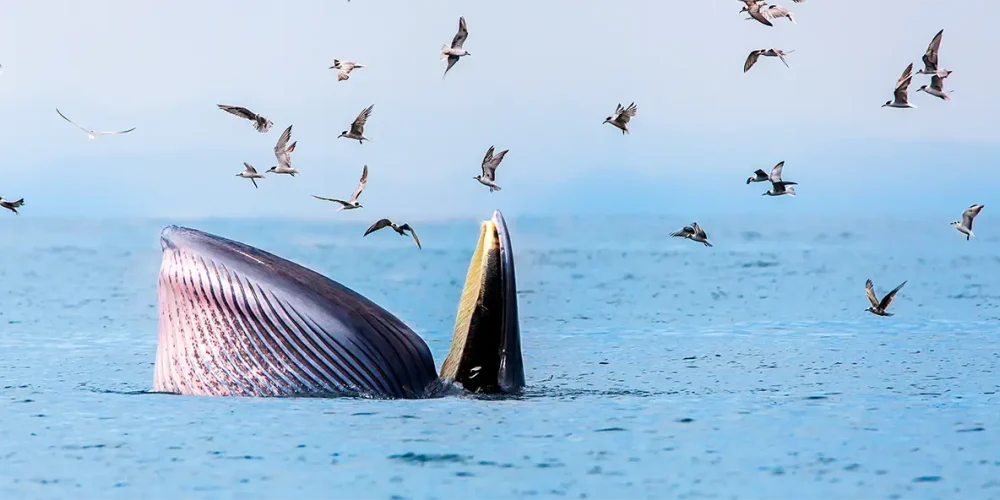
West Cork is one of the best places in Ireland to spot whales. Species like fin whales, minke whales, and even humpbacks are seen here during migration. They feed in deep waters just off the coast — and on lucky days, can be spotted from the shore. But sometimes, these giants lose their way. And when they beach, there’s little anyone can do to save them.
It’s about how a moment of tragedy became a lasting memory. It’s about science, community, and respect for the natural world.

The Kilbrittain Whale is more than a skeleton. It’s a memory, a symbol, and a reminder of how one animal brought a whole community together.
to support the Project
Made by